



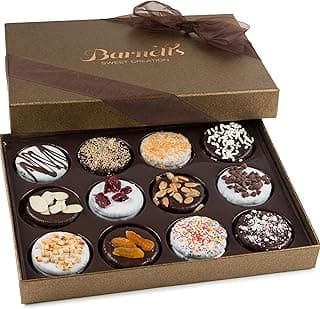
The Psychological Significance of Selecting the Best Chocolates for Gifts
From a behavioral science perspective, chocolate occupies a unique position in the hierarchy of gift-giving. It triggers a neurochemical response involving the release of dopamine and serotonin, which are closely associated with pleasure and reward. By choosing high-quality cocoa, the giver is essentially facilitating a positive neurological experience for the recipient. This is particularly relevant when seeking best thank you gifts for friends, where the goal is to create a lasting impression of genuine appreciation.
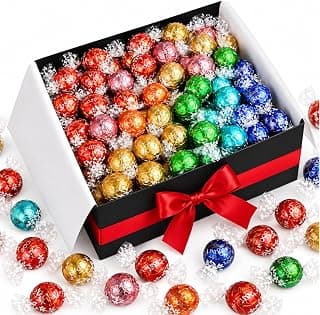
The selection process requires a keen understanding of the recipient's preferences and the context of the occasion. For instance, a high percentage of dark chocolate from a single-origin estate suggests a level of intellectualism and appreciation for complexity, whereas a diverse assortment of truffles might signal a celebration of variety and indulgence. Understanding what makes a memorable gift often comes down to the alignment between the object's characteristics and the recipient's personality.
The true value of a gift lies not in its price tag, but in the evidence of the giver's attention to the recipient's unique tastes and the thoughtful selection of quality over quantity.
Analyzing Material Composition: Industrial vs. Artisanal Confections
To make an informed decision, one must look beyond the packaging and analyze the technical composition of the chocolate. Mass-produced items often prioritize shelf stability and low production costs, leading to an over-reliance on sugar and vegetable fats. In contrast, artisanal or "bean-to-bar" products focus on the integrity of the cacao bean. The following table illustrates the key technical differences that determine the quality of the best chocolates for gifts.
| Variable | Industrial Chocolate | Artisanal/Premium Chocolate |
|---|---|---|
| Ingredient Purity | High sugar, soy lecithin, vanillin, and artificial fats. | High cocoa butter content, natural vanilla, and minimal additives. |
| Flavor Profile | Uniform, sweet, and lacking in aromatic depth. | Complex, reflecting the terroir of the bean (fruity, earthy, or floral). |
| Texture (Mouthfeel) | May feel greasy or waxy due to vegetable fat substitutes. | Smooth and clean melt, characteristic of pure cocoa butter. |
| Ethical Sourcing | Often difficult to trace back to specific farms. | Commonly utilizes direct trade or fair-trade certifications. |
Emotional Value Versus Material Value in Confectionery Gifting
In various online communities, particularly those focused on minimalism and practical living like Reddit, there is a strong consensus that "consumable luxury" represents the pinnacle of modern gifting. Unlike physical objects that may eventually become clutter, high-end chocolate provides a momentary but intense experience. This perspective shifts the focus from the material value (the cost of the box) to the emotional value (the shared experience or the personal moment of indulgence).
When you select best chocolate gifts for christmas, you are not just giving a snack; you are providing a ritual. The act of unwrapping a beautifully designed box and sampling diverse flavors creates a psychological "peak moment" that strengthens the relationship. This is also why these items are frequently found in the best gift basket ideas, as they provide a reliable anchor of quality within a larger collection of items.
Gifting is a form of communication where the quality of the medium is just as important as the message itself. High-quality chocolate communicates respect and careful consideration.
Selecting Based on Relationship Dynamics and Context
The choice of chocolate must also be calibrated to the relationship status. In a corporate setting, for example, the goal is often to remain professional yet thoughtful. Deciding what is a nice client gift involves choosing items that are universally respected but not overly intimate. A dark chocolate assortment from a heritage brand is often the safest and most effective choice for maintaining professional boundaries while expressing high regard.
For romantic or close personal connections, the strategy changes. Here, one might lean toward best valentine gift ideas that feature more delicate textures, like ganaches or pralines, which suggest a deeper level of care and sweetness. During the holidays, many seek best unique christmas gifts, and limited-edition seasonal infusions (such as spice-infused cocoa) can demonstrate that the giver has gone beyond the standard options to find something truly special.
Best Chocolates for Gifts: A Framework for Direct Selection
To ensure the most successful outcome, follow this logical framework when assessing potential chocolate gifts:
- Origin Verification: Look for single-origin labels (e.g., Madagascar, Ecuador, or Ghana) which indicate a higher standard of bean selection.
- Percentage Analysis: Dark chocolates should ideally range between 60 percent and 85 percent cocoa to balance bitterness with aromatic complexity.
- Freshness Indicator: Premium chocolates have a shorter shelf life because they lack the preservatives found in industrial versions. This is a sign of quality.
- Aesthetic Presentation: The box should be structural and elegant, protecting the delicate contents while providing a tactile experience for the recipient.
Frequently Asked Questions Regarding Chocolate Gifting
Is dark chocolate always a better gift than milk chocolate?
No, the "better" choice depends entirely on the recipient's palate rather than a universal standard of quality. While dark chocolate is often favored by connoisseurs for its complexity and lower sugar content, premium milk chocolates made with high-quality cream and significant cocoa solids can be equally sophisticated and are often preferred by those who enjoy a smoother, creamier texture. The key is to avoid industrial-grade milk chocolate that is primarily composed of sugar and fillers.
What is the most important factor in choosing a chocolate gift for a professional contact?
The most important factor is the reputation and perceived quality of the brand combined with neutral, elegant packaging. In a professional context, you want to avoid gifts that appear too personal or whimsical; therefore, choosing a brand with a strong heritage and a focus on traditional craftsmanship ensures that the gift is seen as a sign of respect and professional courtesy rather than an intimate gesture.
How can I tell if a chocolate brand is truly artisanal?
You can identify artisanal brands by checking the ingredient list for the absence of vegetable oils and artificial flavorings, and by looking for transparency regarding the sourcing of their beans. Truly artisanal makers often provide details about the specific region or even the specific farm where the cacao was harvested, and they usually handle the entire production process from roasting the beans to tempering the final bar.
What is the ideal price range for a high-quality chocolate gift?
While prices vary based on location and brand prestige, a high-quality gift box of artisanal chocolates typically ranges from thirty to eighty dollars. Spending below this range often results in products containing more fillers and less pure cocoa butter, while spending significantly above this range usually involves paying for luxury branding or elaborate packaging rather than a substantial increase in the quality of the chocolate itself.
In conclusion, navigating the market for the best chocolates for gifts requires a balance of technical knowledge and emotional intelligence. By prioritizing the chemical and aromatic integrity of the product and aligning the selection with the recipient's personal context, the giver can transform a simple confectionery item into a powerful instrument of social and professional connection.








