





The Psychology of Recognition and Workforce Retention
Behavioral science suggests that recognition is a primary driver of employee engagement. In many corporate environments, the distinction between a reward and a gift is often blurred. A reward is typically performance-based, whereas a gift should be seen as an act of communal appreciation. To identify what gifts do employees really want, one must look beyond the immediate monetary value and focus on the message of belonging and respect. A gift that addresses the specific lifestyle or professional challenges of an employee demonstrates that the leadership is attentive to their well-being.
Psychological studies on reciprocity indicate that when employees receive a thoughtful, high-utility item, they are more likely to exhibit discretionary effort. This is not out of a sense of debt, but rather from a strengthened emotional connection to the company culture. Therefore, the selection process must prioritize quality and relevance over sheer quantity or branding visibility.
| Gift Category | Strategic Objective | Psychological Impact |
|---|---|---|
| Technological Utilities | Enhancing daily workflow and digital comfort. | Validation of professional needs. |
| Lifestyle & Wellness | Promoting work-life balance and health. | Perception of the employer as empathetic. |
| Experience-Based Gifts | Creating lasting memories outside the office. | Strengthening personal identity. |
| Customized High-End Goods | Providing a sense of prestige and exclusivity. | Reinforcement of individual status. |
The most effective corporate gifts are those that solve a problem for the recipient or elevate their daily experience without imposing a burden of brand advertisement.
Evaluating Material Value versus Emotional Impact
A recurring theme in professional communities, such as those found on Reddit and other workplace forums, is the disdain for "useless corporate swag." Employees often view low-quality, heavily branded items as a form of cheap marketing rather than a genuine gift. To avoid this, leaders must understand what is a good corporate swag gift: it is an item where the branding is subtle and the utility is paramount. The emotional value of a gift is derived from the recipient's feeling that they are being treated as a unique individual rather than a cog in a machine.
When the material value is too low, it can feel insulting: when it is high but impractical, it feels wasteful. The "sweet spot" lies in items that integrate seamlessly into the employee's life. For instance, providing the best blue blocker computer glasses for a team that spends ten hours a day in front of screens is a logical, empathetic choice that shows concern for their physical health. This balance of practical utility and thoughtful selection creates a lasting positive impression that far outlasts the holiday season itself.
High-Utility Tech and Office Upgrades
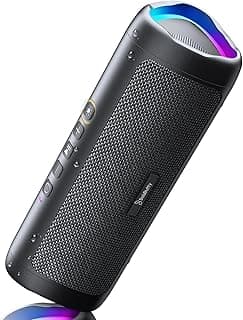
As remote and hybrid work models become standard, the definition of a "workplace gift" has expanded. Providing tools that improve the home office environment is a highly rated strategy. Investing in hardware such as the best monitors for work can drastically improve an employee's daily efficiency and reduce physical strain. This type of gift is often viewed as a "long-term investment" in the employee's comfort.
Furthermore, when selecting best office christmas gifts, durability should be a primary concern. High-quality peripherals or ergonomic accessories are preferred over novelty items. If the workforce is frequently mobile, professional accessories like the best office bags for men or versatile travel cases offer a blend of style and function that aligns with a professional persona.
| Item Type | Pros | Cons |
|---|---|---|
| Hardware (e.g., Monitors) | High utility, improves productivity. | Requires logistical coordination for shipping. |
| Professional Bags | Long-lasting, useful for commuting. | Design preference can be subjective. |
| Software Subscriptions | Instant delivery, highly customizable. | Lacks the "tactile" excitement of a physical gift. |
Etiquette and Best Practices for Corporate Gifting
Navigating the hierarchy of a company requires a nuanced approach to gifting. While a CEO might give a gift to the entire staff, peer-to-peer gifting within departments should follow different rules to avoid awkwardness or perceived favoritism. Managers looking for the best gift ideas for coworkers should focus on inclusivity and shared interests. It is often beneficial to establish a clear budget or theme to ensure equity across the team.
Transparency is key. If a company is having a difficult financial year, a small but deeply personalized gift accompanied by a handwritten note often carries more weight than a generic, moderately expensive item. Honesty in communication ensures that the gift is received in the spirit it was intended.
Gift-giving in a professional setting should always prioritize the recipient's comfort and privacy: avoid items that are overly personal or culturally insensitive.
Direct Answers on Employee Gifting (FAQ)
What is a reasonable budget for employee holiday gifts?
The standard professional range typically falls between 50 and 150 dollars per employee, though this varies based on company size and tenure. Larger organizations may benefit from economies of scale, while smaller firms often provide more personalized, higher-value items to a limited head count.
Are gift cards considered a lazy gift?
No, gift cards are not inherently lazy if they are selected based on the known preferences of the recipient. A generic "anywhere" card can feel transactional, but a gift card to a specialized service or a high-end restaurant shows that the giver has considered the recipient's lifestyle and interests.
Should corporate branding be on every gift?
Absolutely not. High-level gifting strategy suggests that the more prominent the logo, the less the item feels like a gift and the more it feels like a promotional tool. If branding is necessary, it should be discreet, such as on an interior label or a subtle embossed logo, allowing the item's quality to speak for itself.
Is it better to give one large gift or several small ones?
One high-quality, durable gift is generally superior to a "gift basket" of smaller, disposable items. A single item of excellence, such as a premium piece of tech or a high-end accessory, tends to be retained and used for years, providing a constant reminder of the company's appreciation.
How do I handle gifting for a diverse or global team?
Inclusivity is paramount when managing a diverse workforce. Avoid gifts with religious connotations or items that may be restricted by certain diets or lifestyles (such as alcohol or specific food products). Digital vouchers for global marketplaces or wellness-focused subscriptions are often the safest and most appreciated choices for international teams.
In conclusion, the best christmas gifts for employees are those that demonstrate a clear understanding of the professional and personal intersection of their lives. By focusing on utility, quality, and psychological impact, leadership can transform a seasonal tradition into a powerful tool for organizational health and employee satisfaction.








