
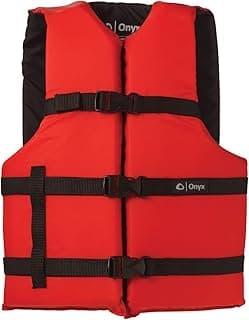
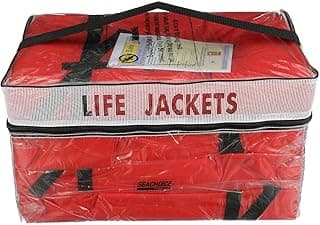
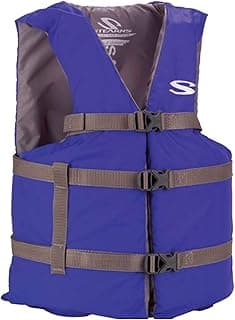
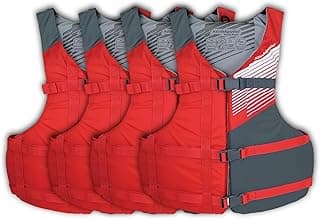
The Technical Necessity of USCG Approval in Gifting
In the realm of marine safety, "USCG Approved" is not a marketing buzzword; it is a legal and technical standard. For a life jacket to receive this designation, it must undergo rigorous testing for buoyancy, material strength, and performance in various water conditions. Gifting a non-approved vest is a significant liability. These standards ensure that the foam does not lose its lift after a single season and that the buckles can withstand the high-impact forces of a fall at speed. Whether you are searching for best gift ideas for him or considering safety gear as one of the best gift ideas for a woman, prioritizing the United States Coast Guard certification ensures the recipient is protected by verified physics rather than just fabric and fashion.
Gifting tech is about more than specifications; it is about upgrading the recipient's window to the digital world, ensuring every frame is a testament to quality.
Understanding the Flotation Hierarchy: Type I to Type V
Not all life jackets serve the same physical purpose. To choose the best gift, you must understand the environment in which the recipient will use it. Selecting the wrong type can be as dangerous as having no jacket at all. Below is a breakdown of the technical classifications used by the Coast Guard:
| USCG Type | Primary Function | Best Used For |
|---|---|---|
| Type I | Maximum buoyancy (22 lbs); turns unconscious victims face-up. | Offshore, remote, or turbulent waters where rescue may be delayed. |
| Type II | Basic buoyancy (15.5 lbs); may turn some victims face-up. | Inland waters near shore where quick rescue is likely. |
| Type III | Flotation aid (15.5 lbs); requires user to keep head back. | Water sports, kayaking, and fishing in calm waters. |
| Type IV | Throwable device (ring buoys or cushions). | Backup safety for boats over 16 feet. |
| Type V | Special use (Inflatable, work vests, or specific sports). | Must be worn to count toward legal requirements. |
Principle of Multi-dimensional User Empathy: Choosing for Specific Needs
A "one size fits all" approach to PFDs often fails in real-world scenarios. When gifting, consider the physical limitations and the activity of the recipient. For instance, a dedicated angler requires a different range of motion than someone using best kayaks for touring. High-density foam placement is critical; if the bulk is concentrated in the front, it can impede a paddler's stroke. For elderly recipients or those with limited mobility, look for "entry" designs that utilize large, high-tensile strength zippers rather than complex buckle systems which can be difficult for arthritic hands to navigate.
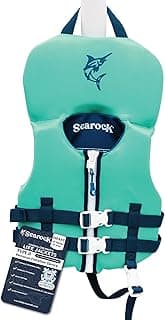
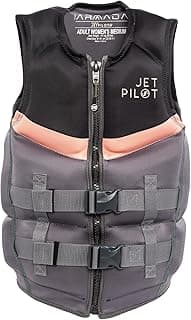
Furthermore, small-framed individuals or women often find standard unisex vests ride up toward the chin, causing discomfort and potential safety hazards. The best coast guard approved life jackets for women feature contoured foam segments and shorter torso lengths. If the recipient enjoys cold-weather adventures, ensure the vest is adjustable enough to fit over layers like best warm waterproof gloves and heavy parkas without compromising the harness integrity.
Buy It For Life (BIFL) Philosophy and Maintenance Gifting
PFDs are subject to harsh environmental degradation. UV radiation from the sun eventually breaks down the molecular bonds in nylon and polyester shells, while salt crystals can corrode zippers and hardware. From a BIFL perspective, the highest quality life jackets utilize Gaia foam—a nitrile-based foam that is PVC-free and more resistant to chemical breakdown—rather than cheaper PE (polyethylene) foam found in budget models. When presenting this as what is the greatest gift to give, educate the recipient on the "squeeze test." If the foam feels crunchy or does not immediately return to its shape, the buoyancy has been compromised and the vest must be retired.
The Hidden Costs of Ownership
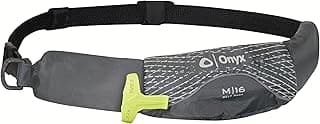
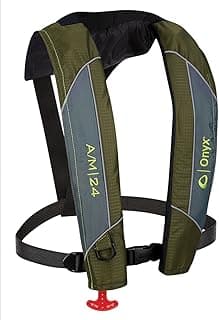
If you choose to gift a Type V Inflatable PFD, which is a popular choice for its minimalism, you must account for the "re-arming" cost. These jackets rely on CO2 cylinders and water-sensitive bobbins. These components have expiration dates, typically ranging from 1 to 3 years. Gifting an inflatable without a spare re-arming kit is like gifting a printer without ink; the utility is finite. For a truly what is a good experiential gift, include a maintenance log and a set of replacement cylinders to ensure the recipient is never left without a functional device.
Engineering the Perfect Fit
The effectiveness of even the best coast guard approved life jackets is zero if the fit is incorrect. A vest that is too large will slide up around the recipient's head in the water, potentially pinning their arms or muffling their cries for help. When gifting, look for at least three points of adjustment—usually side straps and shoulder cinches. For those who enjoy terrestrial and aquatic hybrids, such as hiking to a remote lake, lightweight PFDs that can be stowed easily alongside best hiking boots for women are essential for portage efficiency.
Frequently Asked Questions
Do life jackets have an expiration date?
No, the USCG does not set a hard expiration date for foam life jackets, but their functional lifespan is determined by the condition of the materials. Over time, foam loses its ability to trap air (buoyancy), and fabric weakens due to UV exposure. As an expert, I recommend replacing foam PFDs every 5-7 years if used frequently in sunlight, or immediately if the fabric shows significant fading or the foam feels brittle.
Can I wash a life jacket in a washing machine?
Absolutely not. The mechanical agitation and detergents can break down the internal foam structure and weaken the stitching of the harness. The correct technical maintenance involves rinsing with fresh water after every use, especially in salt water, and hand-washing with a mild, non-detergent soap. Always air dry away from direct sunlight, as high heat from a dryer will melt the buoyancy materials.
Is an inflatable life jacket better than a foam one?
The answer depends entirely on the user's swimming ability and the risk of impact. Inflatables are superior for comfort and compliance (people are more likely to wear them), but they require manual or water-activated deployment and regular maintenance. For high-impact activities like jet-skiing, white-water rafting, or for weak swimmers, a fixed-foam jacket is the only safe engineering choice because it provides "inherent buoyancy" without needing any mechanical action to work.
In conclusion, the best coast guard approved life jackets are an investment in the long-term safety of those we love. By moving beyond the aesthetic and focusing on buoyancy ratings, material durability, and user-specific ergonomics, you transform a simple piece of marine gear into a lifesaving legacy. It is a gift that says you value their adventures as much as you value their return home.