

The Engineering of Ice: Understanding Production and Cooling Methods
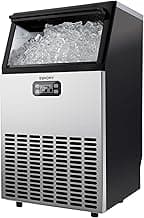
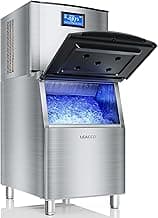
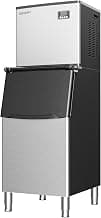
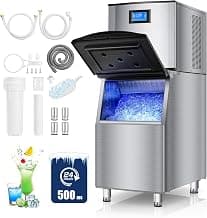
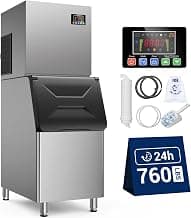
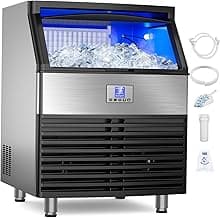
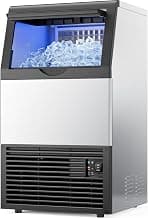
From a mechanical engineering perspective, the best commercial ice machine must be evaluated based on its condenser type and harvest rate. Air-cooled condensers are the most prevalent due to their lower installation costs and minimal water consumption. However, they require significant clearance for airflow and can increase the ambient temperature of the room. Conversely, water-cooled units are more efficient in high-heat environments but come with significantly higher utility costs and potential regulatory hurdles regarding water discharge.
A commercial ice machine is not just a utility; it is a foundational pillar of hospitality, ensuring that every beverage served is a reflection of professional standards.
The "harvest rate" refers to the amount of ice produced in a 24-hour period under standard laboratory conditions (usually 70°F air and 50°F water). Prospective buyers must be skeptical of these figures, as real-world performance often drops by 10-20% in warmer climates or kitchens with poor ventilation. When considering What is a good executive gift for a business partner, selecting a machine with a slightly higher capacity than currently required ensures longevity by preventing the motor from overworking.
Ice Morphology: Choosing the Right Shape for the Recipient
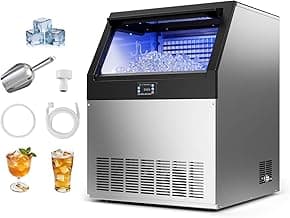
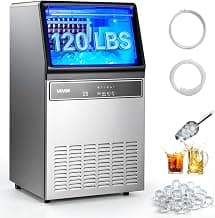
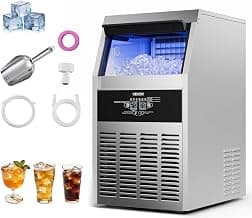
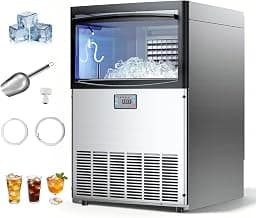
The choice of ice shape is often dictated by the specific application. "Full cubes" melt slowly and are ideal for high-end cocktails and bulk cooling. "Nugget ice," often referred to as "chewable ice," is preferred in healthcare and fast-food settings due to its high liquid-to-ice ratio and soft texture. For a recipient who prioritizes the aesthetics of a beverage, a best clear ice maker integrated into a commercial frame provides the crystal-clear clarity required for premium spirits. If the gift is intended for a smaller professional space, a best bar ice maker offers a compact footprint without sacrificing the durability of larger industrial models.
Buy It For Life (BIFL) Philosophy: Durability and Maintenance
A frequent critique within repair communities on platforms like Reddit is the "unrepairable" nature of modern budget appliances. The best commercial ice machine should feature a modular design, allowing for the independent replacement of the water pump, fan motor, or evaporator plate. Machines that use nickel-plated evaporators are generally more resistant to the abrasive effects of mineral-heavy water than cheaper aluminum alternatives. However, even the highest quality machine will fail prematurely without a rigorous maintenance schedule.
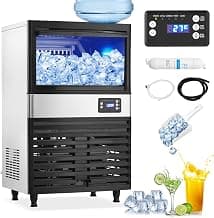
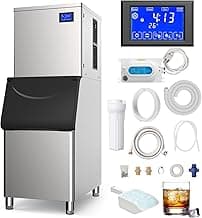
Scale buildup is the primary cause of mechanical failure in ice production. To ensure the gift remains functional for a decade or more, the inclusion of a high-quality water filtration system is non-negotiable. This is particularly important when gifting a best commercial nugget ice machine, as the extrusion process in these units is highly sensitive to mineral deposits. Educating the recipient on monthly descaling cycles is essential to protecting the internal components from irreversible depreciation.
Comparative Analysis of Commercial Ice Systems
To assist in the selection process, the following table breaks down the technical variables of the leading categories of commercial ice production systems:
| System Category | Daily Capacity (Lbs) | Best Use Case | Maintenance Complexity |
|---|---|---|---|
| Under-counter Modular | 50 - 150 | Executive Offices / Home Bars | Moderate (Filter Dependent) |
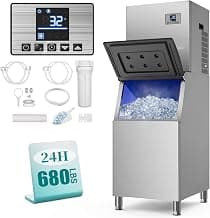
| Large Scale Industrial | 300 - 1000+ | Large Restaurants / Hotels | High (Professional Service) |
| Self-Contained Nugget | 80 - 300 | Breakrooms / Healthcare | Moderate to High |
Why Professional Appliances Represent High-Value Gifting
When we ask, What is a good corporate swag gift, we usually think of small items. But for high-level recognition or milestone celebrations, a commercial-grade appliance offers a level of utility that a branded pen cannot match. It is a "workhorse" gift that provides tangible value every single day. For an entrepreneur, this represents a reduction in overhead and an increase in service quality. For a luxury home, it provides the convenience of never having to rely on inefficient residential trays again.
Gifting tech is about more than specifications; it is about upgrading the recipient's window to the digital world, ensuring every frame is a testament to quality.
Furthermore, the best commercial ice machine maintains its value far better than consumer electronics. A well-maintained Hoshizaki or Manitowoc unit can often be refurbished and sold even after years of use, making it a sustainable choice in an era of disposable goods. This longevity aligns with the principles of investing in quality rather than quantity.
Addressing the "Hidden" Costs of Professional Ice Production
Before finalizing a purchase, it is vital to account for the infrastructure requirements. A commercial unit typically requires a dedicated 115V or 230V circuit, a floor drain (gravity or pump-assisted), and a consistent water supply. For someone receiving this as a gift, the "unboxing" experience involves more than just plugging it in. Providing a small budget for professional installation is often what transforms a generous gesture into a truly successful gift.
Frequently Asked Questions About Commercial Ice Machines
Is a commercial ice machine too loud for a home kitchen?
Yes, most commercial units generate between 55 and 70 decibels during the harvest cycle, which is significantly louder than a standard refrigerator. For residential use, it is recommended to install the unit in a pantry, garage, or outdoor kitchen area to minimize noise disturbance. However, newer models with brushless fan motors are beginning to offer quieter operation profiles for executive settings.
Can I use a commercial ice machine without a permanent water line?
No, authentic commercial ice machines require a constant, pressurized water connection to function correctly. While some "prosumer" models may offer manual fill reservoirs, they do not possess the cooling capacity or the sanitation features required to be classified as truly commercial equipment. A permanent line also allows for the integration of necessary water softeners and carbon filters.
How often does a commercial ice machine need to be cleaned?
The system should undergo a deep cleaning and sanitization cycle at least every six months. In environments with high airborne yeast (such as bakeries or microbreweries) or hard water, this frequency should be increased to every three months. Failure to clean the evaporator and water sensors will result in "ice bridging" or thin, slushy ice production.
What is the life expectancy of the best commercial ice machine?
With proper filtration and biannual professional maintenance, a top-tier commercial ice machine should last between 8 and 12 years. The compressor is usually the most durable part, while the water valves and sensors are the components most likely to require replacement after year five. Choosing a brand with a widely available network of third-party parts is the best way to ensure the machine doesn't become obsolete due to a single minor component failure.
In conclusion, whether you are evaluating the best commercial ice machine for a business expansion or as a pinnacle gift for a luxury estate, the focus must remain on mechanical reliability, output consistency, and ease of repair. By moving beyond the marketing fluff and looking at the physical proof of build quality, you ensure that your investment provides a cold, crisp return for years to come.