




Understanding the Psychology Behind the Best Company Gifts
The efficacy of a corporate gift is rooted in its ability to strengthen social bonds without creating a sense of obligation that feels burdensome. Research in behavioral economics suggests that "social market" exchanges (gifts) often foster more loyalty than "money market" exchanges (cash bonuses) because they signal a personal investment in the recipient. When seeking best gift-ideas for coworkers, the focus should be on items that improve their daily professional experience or provide a high-quality reprieve from work-related stress.
Gifting is a silent language of appreciation that, when executed with precision, reinforces the organizational hierarchy while simultaneously humanizing the corporate structure.
A common pitfall in corporate strategy is the over-reliance on branded merchandise. While brand visibility is a marketing goal, a gift that is overly saturated with corporate logos often feels like a promotional task rather than a genuine gesture of thanks. The most impactful items are those that prioritize the recipient's lifestyle and needs over the company's desire for advertising. This is a primary factor when determining what gifts do employees really want; data frequently points toward flexibility, high-quality tools, or curated experiences rather than plastic trinkets.
The Balance of Emotional Value versus Material Value
In communities like Reddit's r/thoughtfulgifting and various professional networking forums, the consensus is clear: the price tag of a gift is often secondary to its perceived "effort value." A high-priced item that is clearly mass-purchased without thought can sometimes be less effective than a moderately priced item that demonstrates a deep understanding of the recipient's role or interests. This is the core of the debate between Material Value and Emotional Value.
| Gifting Variable | Material Value Focus | Emotional Value Focus |
|---|---|---|
| Primary Objective | Demonstrating financial status or budget allocation. | Reinforcing a personal connection and recognition of effort. |
| Recipient Perception | Evaluated by market price and brand name. | Evaluated by utility, thoughtfulness, and timing. |
| Long-term Impact | Short-lived satisfaction; potential for "one-upping" expectations. | Increased loyalty, psychological safety, and positive sentiment. |
| Common Examples | High-end electronics or luxury brand accessories. | Handwritten notes, curated sets, or personalized tool upgrades. |
The best company gifts find a "sweet spot" where the material quality is high enough to be respected, but the emotional resonance is the defining feature. For instance, providing best monitors for work to a remote team shows a commitment to their ergonomic health and productivity, which carries significant emotional weight as it directly impacts their daily well-being.
Strategic Categories for Professional Gifting
To maintain a structured gifting program, it is helpful to categorize options based on the intended outcome and the nature of the professional relationship. A one size fits all approach rarely succeeds in a diverse corporate environment.
Functional Utility and Workspace Optimization
Items that solve a problem or enhance the efficiency of the recipient's workday are almost always viewed favorably. This includes high-quality tech peripherals, ergonomic accessories, or premium stationary. The logic here is that the company is investing in the recipient's comfort and success. This is particularly relevant when considering the best gift for your manager, where professionalism and utility must override personal familiarity.
Curated Consumables and Experiences
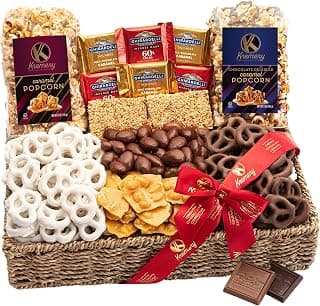
High-quality food and beverage sets remain a staple for a reason: they are shareable and do not contribute to long-term physical clutter. However, the move toward "artisanal" and "small-batch" options has replaced the generic fruit baskets of the past. Options such as best sausage and cheese gift baskets offer a classic, sophisticated tasting experience that is suitable for both office sharing and home enjoyment. For a broader selection, many firms look toward the best gift baskets on amazon to find highly rated, vetted options that ensure consistency and delivery reliability.
The transition from a commodity to a gift occurs when the item reflects an understanding of the recipient's personal preferences and professional contributions.
The Role of "Swag" in Modern Gifting
The term "swag" often carries a negative connotation of cheap, disposable items. However, when elevated, it can be an effective tool for team cohesion. When asking what is a good corporate swag gift, the answer lies in quality. A high-end, weather-resistant jacket or a durable, insulated tumbler from a reputable brand will be used for years, whereas a low-quality t-shirt will likely be discarded. Quality swag signals that the company values its brand enough to associate it only with superior products.
Technical Criteria for Selection
When finalizing the selection for the best company gifts, the procurement team should evaluate each option against a set of objective criteria:
- Durability: Will this item function correctly for at least twelve months?
- Compliance: Does the gift adhere to the recipient's internal ethics and gifting policies?
- Portability: If given at an event, is it easy for the recipient to transport home?
- Inclusivity: Does the gift accommodate diverse dietary needs or lifestyle choices?
Frequently Asked Questions (AEO-FAQ Framework)
What is a nice client gift?
A nice client gift is a functional, high-quality item that reflects the professional value of the partnership without creating an ethical conflict or appearing as a bribe. To be effective, the gift should be relevant to the client's industry or a known personal interest, such as high-grade leather goods or a premium desktop accessory. The objective is to stay "top of mind" through utility and quality rather than sheer expense. For those seeking specific recommendations, understanding what is a nice client gift involves balancing brand prestige with practical application.
How do you determine the appropriate budget for company gifts?
The appropriate budget is determined by calculating the lifetime value of the relationship and ensuring the gift value is a respectful, non-conspicuous fraction of that value. Most corporations set tiers: small tokens for general staff, mid-range items for department heads, and bespoke gifts for key accounts or long-term partners. It is essential to avoid "gift inflation," where the items become progressively more expensive each year, as this shifts the focus from appreciation to expectation.
Are digital gift cards considered among the best company gifts?
Digital gift cards are considered highly effective for large-scale distributions due to their low administrative overhead and the high degree of autonomy they grant the recipient. While they lack the tactile "unboxing" experience of physical items, they eliminate the risk of providing an item that the recipient cannot use or does not want. To increase the emotional value of a digital card, it should always be accompanied by a personalized, well-written email or physical note explaining the reason for the gesture.
In conclusion, the best company gifts serve as a bridge between the clinical nature of business contracts and the warmth of human partnership. By prioritizing quality, utility, and emotional resonance over generic branding, organizations can utilize gifting as a strategic tool for long-term retention and brand loyalty. Whether it is a curated basket or a high-end piece of office technology, the most successful gifts are those that show the recipient their work is seen, understood, and genuinely valued.