


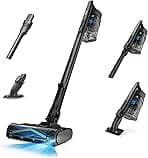
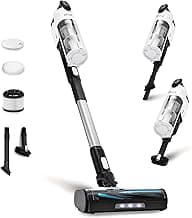
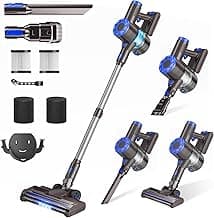


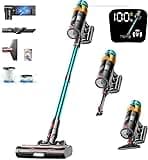
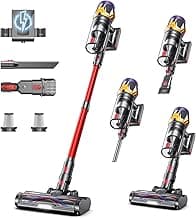
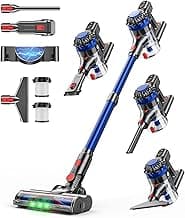
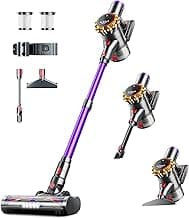

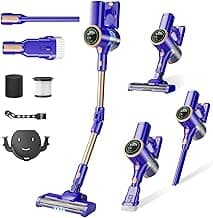
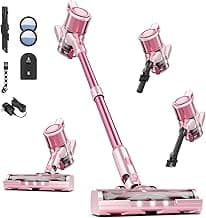
The Soft Roller Revolution: Why Laminate Loves This Design
Traditional rotating brushes solve carpet problems—they agitate fibers and extract embedded debris. Laminate doesn't need fiber agitation; it needs gentle surface collection. Soft roller designs using felted cylinders create suction channels while simultaneously sweeping debris toward intake without aggressive contact.
This approach matters specifically for laminate's protective wear layer. Unlike hardwood that can be refinished when damaged, laminate coating degradation is permanent. Every aggressive brush pass slightly compromises that melamine surface. Over hundreds of cleaning sessions, this microscopic wear becomes visible dulling—the "why does my floor look tired" phenomenon that happens gradually enough to miss until comparing photos from move-in day.
Quality best vacuum cleaners for laminate floors prioritize gentle effectiveness over raw power. The engineering focuses on airflow optimization and contact design rather than motor size. This philosophical difference separates tools designed for surface type from generic "works on everything" compromises that excel nowhere.
Multi-Surface Reality: When Laminate Meets Carpet
Few homes feature 100% laminate coverage. Area rugs on laminate create visual warmth and sound dampening. Bedrooms might retain carpet while living areas showcase laminate's visual flow. This mixed-surface reality requires vacuums that genuinely adapt rather than just tolerate different floors.
The best vacuum for carpet and laminate floors includes true multi-mode operation—different brush engagement for each surface type, not just height adjustment. Electronic controls that completely disengage roller contact for hard floors, then re-engage for carpet sections, protect laminate while maintaining carpet cleaning effectiveness. Mechanical height adjustment alone doesn't address contact pressure or brush aggression issues.
Transition detection represents premium engineering—sensors that identify floor type changes and adjust automatically. For households with area rugs over laminate or frequent room-to-room transitions, this automation prevents the "forgot to switch modes" damage that accumulates invisibly. The convenience factor especially suits gift recipients who clean while multitasking rather than focusing exclusively on vacuum operation.
Laminate chose you for practical reasons. Return the favor with tools that respect that pragmatism rather than apologize for it.
Runtime Mathematics: Matching Battery to Square Footage
Modern cordless vacuums offer 20-60 minute runtime depending on power mode and battery capacity. Laminate cleaning on "hard floor mode" typically consumes less power than carpet agitation, extending effective runtime. A 45-minute rated vacuum might deliver 50-55 minutes on laminate-only homes.
Calculate recipient's actual cleaning needs: 1,200 square foot apartments generally clean completely in 15-20 minutes. 2,000 square foot homes might require 30-35 minutes including spot touch-ups. Size battery capacity to actual usage patterns plus margin—running out mid-clean creates abandonment risk where equipment sits unused because recharging feels like friction.
Quick-charge capabilities matter for large spaces or multi-level homes. Modern lithium batteries support rapid top-ups—30 minutes of charging can restore 50-60% capacity. For recipients who clean in segments (upstairs Monday, downstairs Wednesday pattern), quick-charge between sessions eliminates the "not fully charged" excuse that prevents regular maintenance.
Removable batteries distinguish temporary inconvenience from permanent limitation. Two-battery systems allow continuous operation during charging cycles. For larger homes or recipients who prefer marathon cleaning sessions, this investment doubles effective runtime without waiting. Though it adds cost, for someone managing 3,000+ square feet of laminate, the usability difference justifies premium pricing.
Who Benefits Most From Cordless Laminate-Specific Vacuums
First-time homeowners post-renovation: Someone who's just installed laminate throughout their first house deserves tools that protect that investment properly. The enthusiasm of new ownership pairs perfectly with equipment that maintains rather than gradually degrades what they've created. Timing matters—gift during that fresh-start window when establishing care routines feels exciting rather than burdensome.
Young families in apartment living: Parents chasing toddlers don't have time for outlet hunting or cord management. Cordless grab-and-go convenience transforms floor maintenance from scheduled chore to responsive action. Spill happens, vacuum appears, crisis resolved—all in under three minutes. This operational reality makes cordless designs worth premium pricing for this demographic specifically.
Renters who move frequently: Cordless vacuums pack and transport easily. No cord tangle, compact storage, often lighter weight than corded equivalents. For recipients who relocate every 2-3 years, equipment that simplifies moving logistics provides value beyond just cleaning performance. This practical consideration shows you understand their lifestyle arc, not just immediate needs.
Downsizers who chose laminate intentionally: Retirees moving from large homes to maintenance-friendly condos or townhomes often install laminate specifically for easy care. Lightweight cordless equipment suits aging bodies better than heavy traditional vacuums. Reduced physical effort encourages consistent use, which actually protects floors better than sporadic deep cleaning with equipment that feels like work.
The Weight Factor: Why Lighter Actually Cleans Better on Laminate
Heavy vacuums create high contact pressure through wheel and body weight. This pressure embeds loose debris into laminate surface texture rather than collecting it. Sand particles and grit get pressed into microscopic surface variations, where they act like grinding compound during subsequent foot traffic. The cleaning session itself becomes the damage source.
Lightweight designs—typically 5-8 pounds for cordless models—reduce this pressure-embedding effect significantly. Less weight means collected rather than compressed debris. The difference accumulates over time: floors cleaned with appropriate-weight equipment maintain clarity longer than those subjected to heavy machinery pressing particles into surfaces before collection.
Maneuverability scales inversely with weight. Lighter equipment encourages more frequent use because it doesn't feel like effort. For laminate specifically, frequent light cleaning protects better than occasional heavy scrubbing. You're removing debris before foot traffic grinds it in, rather than trying to extract embedded particles later. This cleaning philosophy suits both floor protection and busy lifestyles simultaneously.
Filtration Needs for Laminate Environments
Laminate homes generate different dust profiles than carpet. Less biological allergen accumulation, fewer fabric fibers, more tracked-in outdoor materials and food particles. Standard multi-stage filtration handles this effectively—HEPA overkill isn't necessary unless specific allergy sensitivities exist in household.
Washable filters suit laminate cleaning economics perfectly. The debris collected doesn't typically include the biological contaminants that make disposable HEPA filters necessary. Reusable systems eliminate ongoing costs while maintaining adequate filtration for typical laminate household needs. For budget-conscious recipients—often the same people who chose laminate flooring for value reasons—eliminating subscription-style filter expenses aligns with their broader financial approach.
Dust cup visibility provides immediate feedback on cleaning effectiveness. Clear containers show accumulation patterns and signal emptying timing. This visibility suits people drawn to laminate's visual clarity—they appreciate seeing results from their effort. If air quality concerns coexist with floor care needs, explore how advanced filtration systems address respiratory health alongside surface cleaning.
Storage Integration: Where Cordless Lives in Real Homes
Wall-mounted charging stations solve multiple problems simultaneously: equipment stays charged and accessible, doesn't occupy floor or closet space, and remains visible enough to encourage frequent use. For apartment dwellers or homes without dedicated cleaning closets, vertical storage transforms equipment from obstacle to integrated system.
Freestanding charging docks work in homes where wall-mounting isn't permitted (rentals) or desired (avoiding wall damage). Quality docks stabilize equipment securely while maintaining compact footprint. This flexibility suits diverse living situations—the gift adapts to recipient environment rather than requiring environmental adaptation.
Under-furniture slim profiles distinguish practical from theoretical storage solutions. Laminate homes often feature modern furniture with limited clearance—platform beds, low-profile sofas, contemporary media consoles. Vacuums that fit these storage opportunities integrate into existing space rather than demanding dedicated real estate. For recipients in smaller homes or apartments, this consideration directly impacts whether equipment gets used or stays stowed.
The Vacuum-Mop Hybrid Question for Laminate Care
Combination vacuum-mop designs promise consolidated cleaning—dry debris removal and damp mopping in single passes. For laminate, these hybrids require careful evaluation. Laminate tolerates light damp mopping but fails catastrophically with excessive moisture at seams and edges.
What works: Systems with genuinely separate dry-vacuum and controlled-damp-mop modes, where moisture application remains minimal and controllable. Microfiber roller designs that retain moisture within fiber rather than pooling on floor surfaces protect laminate while providing cleaning enhancement.
What risks damage: Continuous moisture application systems without adequate control. Standing water or excessive dampness penetrating laminate seams causes swelling and delamination—permanent damage that no amount of drying repairs. For laminate specifically, conservative moisture use beats aggressive "deep clean" approaches every time.
For gift purposes, the best vacuum mop for laminate floors emphasizes vacuum functionality with optional light mopping rather than prioritizing wet cleaning with vacuum as secondary feature. This engineering priority alignment protects against well-intentioned damage from recipients who don't fully understand laminate's moisture sensitivity.
Sound Levels: Why Noise Matters in Laminate Homes
Laminate installations in apartments, condos, and townhomes create acoustic realities different from detached houses. Sound transmits through floors to neighbors below. Vacuum noise echoes in open floor plans without carpet sound dampening. Quiet operation becomes practical necessity rather than luxury preference.
Cordless vacuums generally operate quieter than corded models—motor sizing for battery efficiency naturally limits noise generation. Decibel ratings below 70 dB allow normal conversation during operation. For young families where cleaning happens during nap times, or apartment dwellers conscious of neighbor relationships, quiet performance directly enables more flexible cleaning schedules.
Motor quality influences noise character beyond just volume. High-pitch whines feel more intrusive than lower-frequency hums even at similar decibel levels. Quality engineering with sound dampening materials and motor isolation creates more pleasant operational experience. For recipients who clean frequently rather than occasionally, this subjective comfort factor influences whether equipment gets used versus avoided.
The best cleaning tool is the one you'll actually use. Convenience, weight, and noise all influence usage frequency more than maximum specifications suggest.
Timing Your Gift: When Laminate Vacuum Needs Peak
Post-installation or move-in provides immediate necessity. New laminate installations deserve proper care equipment from day one rather than allowing improper tools to establish wear patterns. Gifting during this transition window demonstrates attentiveness to their new living situation specifics.
Housewarming occasions when laminate features prominently in new home aesthetics create natural gifting context. Rather than generic décor items, practical infrastructure that maintains what they've created shows deeper engagement with their actual life needs. This especially resonates with practical birthday gifts timed to major life transitions.
When existing equipment clearly struggles with laminate—excessive noise, visible struggle pushing across hard floors, battery degradation in older cordless models—upgrading becomes timely rather than premature. Recognizing these frustration signals and addressing them proactively shows observational care that elevates practical gifts into meaningful gestures.
Budget Realities: Matching Investment to Laminate Economics
People choose laminate partly for cost efficiency—saving $3-7 per square foot versus comparable wood aesthetics. Gift vacuum pricing should respect this value-conscious decision making rather than assuming unlimited budget flexibility. Quality cordless laminate vacuums range $200-450, spanning accessible to premium without reaching absurdity.
Cost-per-use calculations over expected lifespan reveal value beyond initial price. A $350 cordless vacuum used three times weekly for five years costs roughly $0.45 per cleaning session. This perspective helps justify investment that might initially seem excessive compared to $100 alternatives that frustrate users into inconsistent maintenance patterns.
Battery replacement costs factor into long-term economics. Quality manufacturers offer replacement batteries $50-100, extending equipment life significantly. Budget alternatives often lack replacement battery availability, creating planned obsolescence that ultimately costs more through earlier full-unit replacement. For gift recipients who chose laminate partially for economic reasons, this total-ownership-cost transparency demonstrates respect for their financial approach.
Feature Priorities: What Actually Matters vs Marketing Noise
LED headlights illuminate debris in shadows and under furniture—surprisingly valuable for thorough cleaning without moving everything. For laminate specifically where debris visibility against light-colored surfaces creates self-imposed pressure for appearance, seeing what you're cleaning reduces that psychological stress.
Swivel steering and low-profile designs access tight spaces common in modern laminate homes—under platform beds, around contemporary furniture legs, beneath floating vanities. Rigid designs miss these areas consistently, creating dust accumulation zones that eventually require furniture moving. Maneuverability directly determines actual cleaned area versus nominal square footage.
Digital displays showing battery life, blockage alerts, and maintenance reminders suit recipients who appreciate operational feedback. For tech-comfortable demographics—often the same young households choosing laminate for practical reasons—this interface familiarity reduces friction between user and equipment.
Auto-empty charging stations represent premium convenience—vacuum empties debris automatically during charging cycles. For large laminate installations or high-traffic households, this eliminates the "full dust cup" interruption that breaks cleaning momentum. The investment makes sense for specific use cases, less so for average residential needs. Honest assessment prevents over-gifting features that sit unused.
Maintenance Transparency: The Ongoing Reality
Cordless vacuums require periodic deep cleaning beyond simple dust cup emptying. Filters need washing, rollers collect hair and debris, sensors accumulate dust. This maintenance reality should inform gift selection—choose models where cleaning procedures feel straightforward rather than requiring disassembly frustration.
Tool-free maintenance access separates user-friendly from engineered-hostile designs. Roller removal without screwdrivers, filter access without hunting for hidden latches, clear maintenance indicators that tell you when action needed—these details determine whether recipients maintain equipment properly or let performance degrade through neglect.
Include maintenance supplies with your gift—extra filters if consumable, cleaning brushes for roller maintenance, appropriate storage solution if not included. This completion transforms appliance delivery into system installation, reducing recipient friction that might delay actual use.
The Pergo Specific Question: Brand Floor Compatibility
Pergo laminate features specific plank engineering and coating formulations, but cleaning requirements align with general laminate guidelines. The best vacuum for Pergo floors follows identical selection criteria—soft contact, appropriate weight distribution, moisture control if using hybrid designs. Brand-specific recommendations usually reflect marketing partnerships rather than genuine technical requirements.
Manufacturer care guides for branded laminate products emphasize similar principles: avoid excessive moisture, prevent abrasive particle accumulation, use appropriate cleaning tools. These instructions validate equipment selection based on surface type rather than brand loyalty. For gift purposes, confidence in generic laminate-appropriate equipment serves Pergo, Armstrong, or any quality laminate installation equally well.
Reading Reviews for Laminate-Specific Insights
Filter reviews to focus on hard-floor primary users rather than carpet-dominant households. Mixed-surface users often rate based on carpet performance, which doesn't inform laminate suitability accurately. Look specifically for mentions of floor protection, scratch absence, and long-term surface condition maintenance.
Complaints about battery degradation after 1-2 years signal quality concerns regardless of initial performance. For gift recipients, longevity matters—you want equipment that serves reliably across its expected lifespan, not just impresses initially then disappoints through rapid decline.
Positive mentions of frequent use patterns validate convenience design success. Reviews stating "I vacuum daily now because it's so easy" indicate the equipment matches lifestyle rather than fighting it. These usage pattern confirmations matter more than peak performance specifications for predicting recipient satisfaction.
Alternatives Worth Considering: When Cordless Isn't Optimal
Small laminate installations under 500 square feet might not justify cordless premium pricing. Corded stick vacuums with laminate-appropriate design serve efficiently when outlet access doesn't create friction. For studio apartments or single-room laminate areas, simplified equipment at lower cost makes more sense.
Households with existing charging infrastructure for multiple cordless tools might prefer battery-interchangeable systems. Some brands offer cross-compatible batteries across vacuum, tools, and outdoor equipment lines. This ecosystem approach reduces battery proliferation and leverages existing investment. For recipients already committed to specific tool brands, compatibility might outweigh standalone vacuum specifications.
Traditional canister vacuums with parquet floor attachments serve laminate exceptionally well when storage space and corded operation don't create problems. These often outlast cordless designs and eliminate battery degradation concerns entirely. For older recipients or those maintaining larger homes with dedicated cleaning time, proven traditional approaches might suit better than trendy cordless alternatives. Consider complementary options like quality general-purpose vacuum systems when recipient needs span beyond just laminate care.
The Practical Gift That Respects Real Choices
Laminate flooring represents thoughtful decision-making—choosing function over status, value over vanity, practicality over pretense. Honoring that choice with equipment designed specifically for laminate care shows you recognize and respect their approach to home management. You're not gifting apology for what they "couldn't afford"—you're celebrating what they intentionally chose.
This framing matters when presenting practical infrastructure gifts. Position it around enabling their lifestyle choice rather than compensating for perceived limitations. The best gifts demonstrate you've paid attention to how people actually live, not how aspirational home magazines suggest they should.
For recipients managing young families, tight budgets, or transitional living situations, tools that simplify daily maintenance without adding complexity provide genuine value that compounds over time. The vacuum gets used because it fits seamlessly into existing routines rather than demanding routine restructuring around equipment limitations.
Gifts are for making an impression, not just for the sake of it.
GiftsPick - Meticulous, Kind, Objective.