

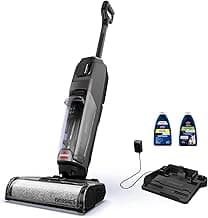
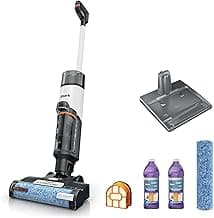
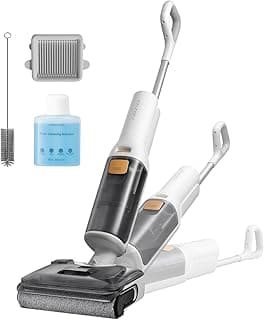
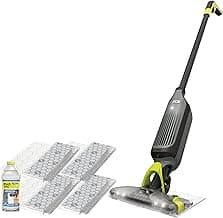
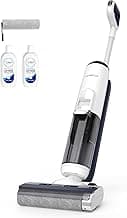
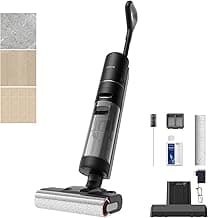
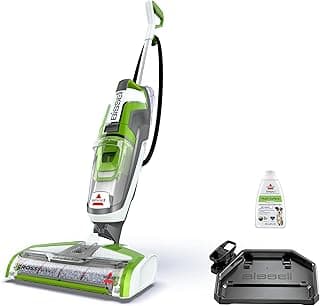
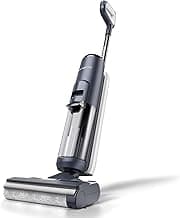
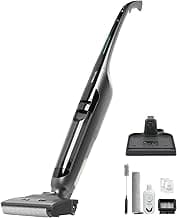
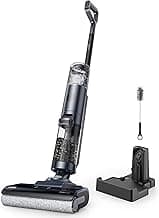
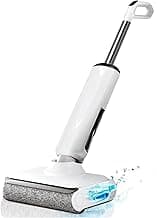
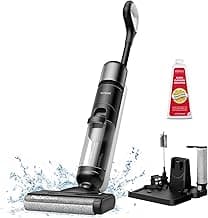
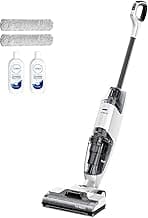
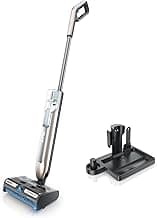
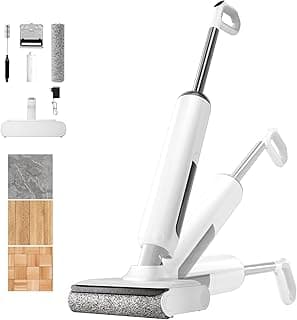
The Cordless Promise: What Actually Changes
Cordless operation transforms cleaning psychology fundamentally. With corded equipment, cleaning requires decision and setup—choosing convenient time when you'll stay home, planning outlet-accessible route through rooms, accepting that starting means committing to somewhat-lengthy session. Cordless equipment enables impulse cleaning—spot something, grab tool, clean it, done. This spontaneity particularly benefits combination devices where addressing spills immediately matters more than scheduled thorough cleaning.
Kitchen floors exemplify cordless advantage perfectly. Someone cooking dinner notices spilled sauce near stove. With corded equipment, cleanup waits until after cooking—probably forgotten by then, definitely creating sticky residue requiring harder cleaning later. With cordless combo device wall-mounted nearby, cleanup happens immediately—vacuum crumbs, mop spill, back to cooking within two minutes. This responsive cleaning maintains floors better than scheduled deep cleaning could because problems never accumulate.
However, cordless convenience creates new limitations absent in corded equivalents. Battery anxiety—will charge last through cleaning?—replaces outlet proximity concerns. Runtime specifications promise 30-45 minutes but combination mode (vacuum plus mop operating simultaneously) drains batteries faster than manufacturers' best-case testing suggests. For recipients in homes exceeding 1,200 square feet or those who forget charging between uses, cordless limitations frustrate differently than cords ever did.
Understanding these trade-offs prevents gifting cordless combinations to recipients whose circumstances make cordless advantages irrelevant while cordless limitations prove prohibitive. Someone in 2,500 square foot home needs equipment capable of completing space in single session—likely requiring corded power. Someone in 600 square foot apartment gains enormous benefit from cordless grab-and-go convenience without facing runtime limitations. Matching technology to actual use case determines whether cordless represents liberation or new frustration source. When considering practical gifts for men or thoughtful presents for women managing households, these technological nuances matter enormously.
Steam Technology: The Heat-Based Cleaning Revolution
The best steam mop vacuum combo represents specific technological approach within combination device category. Steam systems heat water to 200°F+ temperatures, releasing vapor that sanitizes while cleaning. This chemical-free approach appeals to health-conscious users, families with young children, or anyone avoiding cleaning product exposure. The science works—high-temperature steam kills bacteria, dissolves grease, and lifts dirt through heat and moisture combination impossible with room-temperature water alone.
However, steam generation demands significant energy—creating immediate conflict with cordless battery limitations. Heating water electrically consumes tremendous power. Cordless steam vacuum combos either sacrifice steam temperature (reducing sanitization effectiveness), limit steam duration (requiring frequent water-tank-plus-battery-charge refills), or accept heavy battery packs (increasing user fatigue through equipment weight). This engineering reality explains why most effective steam systems remain corded despite cordless convenience advantages.
Steam also introduces surface compatibility restrictions. Sealed tile, ceramic, vinyl—these materials handle high-temperature moisture beautifully. Unsealed hardwood, laminate with vulnerable seams, natural stone requiring specific care—steam risks damage through excessive heat or moisture penetration. The best vacuum and steam mop combo includes clear surface-compatibility guidance preventing users from inadvertently damaging floors through misapplied technology. For recipients with delicate flooring, steam systems might deliver worse outcomes than simpler spray-based alternatives regardless of sanitization advantages.
Steam system maintenance requires more attention than spray systems. Mineral deposits from water accumulate in heating chambers, reducing effectiveness and eventually causing failures. Distilled water prevents this but adds operational cost and procurement friction. Users forgetting distilled-water requirements discover degraded performance within months, wondering why their expensive steam equipment stopped working well. This maintenance complexity makes steam combos poor gifts for recipients unlikely maintaining equipment properly regardless of initial enthusiasm for technology.
Battery Reality: The Numbers Behind Runtime Claims
Manufacturers rate cordless vacuum-mop combos using best-case scenarios—hard floor cleaning with minimum suction, intermittent mop operation, fresh batteries under ideal temperature conditions. Expect real-world runtime approximately 60-70% of claimed specifications. A device rated "45 minutes" likely delivers 27-32 minutes of combination vacuum-plus-mop operation under typical household conditions. This gap between marketing and reality determines whether equipment serves recipient's space adequately or requires frustrating mid-cleaning recharges.
Combination mode drains batteries faster than vacuum-only operation significantly. Water pumps, heating elements (steam systems), or pad rotation motors (scrubbing systems) all consume power beyond suction motors alone. Users accustomed to 40-minute vacuum-only runtime discover 25-minute combination runtime—creating surprise when equipment dies mid-clean despite "same battery" as their previous vacuum. Understanding this accelerated drain prevents gifting equipment with runtime inadequate for recipient's actual home size.
Battery degradation over 18-24 months reduces initial capacity by 20-40% depending on usage patterns and charging habits. That 30-minute real-world runtime becomes 18-24 minutes after typical ownership period—potentially dropping below useful threshold for medium homes. Quality batteries degrade slower, but all lithium batteries lose capacity over charge cycles. For gift recipients, this means equipment serving them brilliantly initially might frustrate significantly after ownership year without indicating equipment failure—just battery aging users won't necessarily understand.
Cold weather dramatically impacts lithium battery performance. Users storing equipment in unheated garages or mudrooms discover reduced runtime during winter months—batteries struggle delivering full capacity at temperatures below 50°F. This creates seasonal performance variation confusing recipients unaware of temperature-battery relationships. For those in cold climates or without temperature-controlled storage, corded equivalents eliminate this variable frustration source entirely.
Corded Power: When Unlimited Runtime Matters
The best corded vacuum mop combo provides consistent maximum performance throughout cleaning sessions regardless of duration. No runtime anxiety, no battery degradation concerns, no seasonal performance variations—just steady power enabling thorough whole-home cleaning in single sessions. For larger homes, multiple-floor properties, or recipients who prefer marathon cleaning over frequent quick sessions, corded reliability proves more valuable than cordless convenience.
Corded steam systems achieve and maintain higher temperatures than cordless equivalents—enabling better sanitization and more effective grease dissolution. Without battery power limitations, corded steam generators heat water to maximum effective temperatures and sustain steam production throughout cleaning without performance degradation. For recipients prioritizing sanitization or dealing with genuinely dirty floors rather than maintenance cleaning, this performance difference matters substantially.
However, corded combination devices inherit all traditional corded frustrations—outlet planning, cord management across wet floors, physical tether limiting spontaneous cleaning. The combination of electrical cord and water also amplifies safety concerns. While modern equipment includes appropriate protections, psychological comfort with water-plus-electricity proximity varies. Some users feel anxious mopping near electrical cords regardless of safety engineering, making cordless designs psychologically preferable despite objective safety equivalence.
Corded models typically cost $50-100 less than cordless equivalents with similar features—battery packs and charging systems represent substantial manufacturing costs. For budget-conscious gift scenarios or recipients demonstrating they won't maintain cordless equipment properly (forgetting charging between uses), corded alternatives deliver better value. The savings can fund better core cleaning performance rather than paying premium for wireless convenience recipient might not fully utilize or appreciate.
Spray-and-Scrub vs Steam: Technology Comparison
Spray-based systems apply room-temperature cleaning solution while rotating pads physically scrub floors. This approach mimics traditional mopping more directly than steam systems—users understand the cleaning mechanism intuitively. Solution application proves controllable, pad moisture remains moderate, and surface compatibility concerns minimize. The best vacuum and steam cleaner all-in-one might technologically impress, but spray systems often satisfy users seeking familiar cleaning experiences rather than novel approaches.
However, spray systems require purchasing cleaning solutions continuously—adding operational cost and procurement friction corded steam systems avoid through pure-water operation. Users must remember buying solution, storing bottles, refilling tanks regularly. This ongoing management suits some personalities while frustrating others. For recipients already managing complex households, adding "buy vacuum cleaning solution" to mental task lists creates burden steam systems eliminate despite their own maintenance requirements.
Scrubbing pad designs vary dramatically between brands and models. Some use disposable pads similar to Swiffer systems—convenient but environmentally questionable and expensive over time. Others use washable microfiber pads requiring laundry between uses but eliminating disposable costs and waste. The best steamer vacuum combo or spray system depends partly on recipient's environmental values and tolerance for ongoing costs versus maintenance tasks. Matching consumable model to recipient personality prevents gifting equipment whose operational model frustrates regardless of cleaning effectiveness.
Weight Distribution: The Cordless Paradox
Battery packs add 2-4 pounds to equipment weight—positioning that mass high in handle or low in base dramatically affects usability. Top-mounted batteries create top-heavy designs requiring more effort maintaining control, exhausting users faster through sustained grip pressure. Base-mounted batteries increase stability but make equipment harder to lift for stair cleaning or storage. Neither solution proves universally superior—suitability depends on recipient's specific use patterns and physical capabilities.
Water tanks in combination devices already add significant weight—full tanks contribute 1-3 pounds depending on capacity. Combined with battery weight, cordless vacuum-mop combos often weigh 10-14 pounds fully loaded—comparable to many corded uprights despite stick-style form factors suggesting lighter weight. This surprising heaviness catches users off-guard, particularly those choosing cordless specifically hoping for lightweight convenience. Managing expectations about weight despite cordless design prevents disappointment.
For elderly recipients or those managing arthritis, cordless combinations might prove too heavy despite convenience benefits seeming ideal for their needs. The weight-convenience trade-off creates no-win scenarios where cordless operation appeals but equipment weight prohibits comfortable use. In these situations, exploring lightweight cordless vacuum-only tools paired with simple spray mops serves better than heavier combinations promising consolidated convenience at physical-capability cost. For accessibility considerations, reference age-appropriate vacuum solutions.
Who Actually Benefits from Cordless Combinations
Small-space dwellers prioritizing quick cleaning: Apartments under 800 square feet where runtime limitations don't matter and storage space constraints make wall-mounted cordless combinations ideal. These users benefit maximally from grab-and-go convenience while facing minimal cordless disadvantages. Daily spot-cleaning maintains floors better than less-frequent deep cleaning, making cordless spontaneity valuable despite shorter runtime versus corded alternatives.
Families managing constant small messes: Young children generating spills, crumbs, and tracked dirt continuously. Parents lacking time for scheduled cleaning need equipment enabling immediate mess response. Cordless combinations stored accessibly transform "clean it later" into "clean it now"—preventing accumulation that makes eventual cleaning harder. This responsive maintenance proves more effective than weekly deep cleaning for high-chaos households where mess generation never stops.
Multi-floor home owners avoiding equipment transport: Homes with multiple levels where carrying equipment between floors creates friction preventing thorough cleaning. Cordless combinations store on each level—upstairs bedroom closet, main-floor kitchen corner, basement utility room—enabling level-appropriate cleaning without vertical equipment transport. This distributed approach costs more (multiple units) but delivers better actual cleaning outcomes through reduced friction versus single corded unit requiring stairs navigation.
Mobility-limited users needing simplified processes: Those managing physical limitations where cord management creates genuine difficulty or safety concern. Cordless operation removes tripping hazards and eliminates outlet-reaching requirements. However, equipment weight remains concern—cordless doesn't automatically mean lightweight. Careful weight evaluation ensures cordless convenience doesn't create new barriers through excessive equipment mass.
When Corded Makes More Sense Despite Convenience Cost
Large homes exceeding 1,500 square feet where cordless runtime proves inadequate for single-session whole-home cleaning. Owners of these spaces typically schedule cleaning deliberately rather than cleaning spontaneously—negating cordless's primary advantage while accepting its runtime limitations unnecessarily. Corded unlimited runtime better serves scheduled thorough cleaning patterns than cordless designs optimized for quick frequent sessions.
Steam enthusiasts prioritizing sanitization and chemical-free cleaning. Corded steam systems deliver sustained high-temperature performance cordless versions can't match within reasonable weight and runtime parameters. For recipients specifically interested in steam cleaning benefits—sanitization, allergen reduction, chemical avoidance—accepting cord management proves worthwhile trade-off for superior steam performance.
Budget-conscious recipients where $100-150 price difference between corded and cordless versions represents significant consideration. Corded combinations deliver equivalent cleaning performance at lower cost—savings potentially funding better core capability rather than paying premium for wireless operation. For practical recipients prioritizing function over convenience, corded value propositions often serve better despite marketing emphasis on cordless benefits.
Users demonstrating poor equipment maintenance habits. Cordless requires consistent charging discipline—remembering to dock equipment after use, maintaining charging station accessibility. Recipients who currently don't maintain equipment properly will forget charging, discover dead batteries when needing to clean, and develop frustrated relationship with otherwise-excellent equipment. Corded designs eliminate this failure mode entirely through always-ready operation requiring no user memory or discipline between uses.
The All-in-One System Question
The best vacuum with steam cleaner represents ultimate consolidation—single device handling dry debris removal, wet mopping, and steam sanitization. This appeals enormously in theory but faces significant engineering compromises. Each function requires specific optimization—vacuum needs maximum airflow, steam needs heating capacity, mopping needs water volume. Combining all three forces trade-offs across board rather than excelling at any single function.
All-in-one systems prove most successful when users prioritize convenience over peak performance in any individual function. Someone accepting "very good" vacuum, "good" mop, and "decent" steam capabilities rather than demanding "excellent" in each category individually. This compromise mindset suits busy practical users but disappoints perfectionists or anyone facing especially challenging cleaning situations requiring specialized tool excellence.
Maintenance complexity scales with feature count. More systems mean more components potentially failing and definitely requiring regular attention. Filters, water tanks, steam chambers, pads, batteries, brush rolls—each element needs maintenance. All-in-one systems work brilliantly when maintained properly but degrade rapidly when neglected. This makes them excellent gifts for organized recipients while risky gifts for those unlikely maintaining multiple systems conscientiously.
Battery Technology: What Actually Matters
Lithium-ion batteries dominate cordless vacuum-mop combinations through energy density enabling adequate runtime in portable formats. However, lithium chemistry varies—quality cells from established manufacturers deliver consistent performance while budget cells suffer rapid degradation. Consumer electronics teach this lesson repeatedly: cheap laptops' batteries die within months while premium laptops' batteries survive years. Vacuum batteries follow identical patterns.
Removable batteries enable replacement when degradation eventually occurs—extending equipment life significantly. However, proprietary battery formats from many manufacturers create replacement availability concerns. Will batteries remain available in three years? Five years? Discontinued models often strand owners with otherwise-functional equipment but unavailable replacement batteries. For gift longevity, choosing brands with established battery replacement programs prevents premature obsolescence through battery unavailability.
Fast-charging capability matters more for combination devices than vacuum-only equipment. Quick 2-hour recharge enables "clean one floor, charge during dinner, clean another floor" patterns impossible with 4-5 hour charge times. For larger homes where single-charge coverage proves inadequate, fast charging determines whether cordless proves practical or frustrating. This specification deserves attention equal to runtime when evaluating combinations for medium-to-large home recipients.
Storage Integration: Where Cordless Lives
Wall-mounted charging stations position equipment at optimal access height while ensuring consistent charging between uses. This visibility and accessibility encourages frequent use—clean becomes "grab tool" rather than "retrieve from closet, untangle cord, plug in." For cordless combinations specifically, wall mounting also provides pad drying space preventing mildew development in stored wet components. This integrated storage proves essential rather than optional for successful long-term equipment use.
However, wall mounting requires: available wall space, permission (rental situations), willingness to drill holes, electrical outlet proximity. These requirements prove prohibitive for some recipients despite wall storage advantages. Freestanding charging stations provide alternative but consume floor space and lack the grab-and-go convenience wall mounting enables. Understanding recipient's storage realities prevents gifting equipment whose ideal storage solution proves impossible in their actual living situation.
Combination device size challenges storage more than vacuum-only equipment. Water tanks, pad storage, accessory integration—these elements create bulkier footprints than simple cordless stick vacuums. Advertised "space-saving combination" sometimes occupies more total volume than separate vacuum and mop stored independently. This storage paradox means cordless combinations might not solve the storage problem they theoretically address. Honest space assessment prevents gifting "convenient" equipment creating new storage challenges. For storage-conscious solutions, consider how space optimization approaches apply beyond just floor care equipment.
The Pet Hair Challenge in Combo Devices
Pet hair creates unique challenges for vacuum-mop combinations—hair wraps around roller brushes interfering with rotation, clogs wet-mopping mechanisms when moisture combines with fur, and fills dust bins rapidly requiring frequent emptying. Cordless combinations face these challenges while managing limited runtime, making pet-heavy households particularly demanding applications. The best cordless vacuum mop combo for pet owners requires specific engineering addressing hair management rather than general combination capability.
Tangle-free brush designs using rubber fins rather than bristles minimize hair wrapping but often sacrifice deep-pile carpet performance. For homes with both pets and significant carpet, this trade-off proves difficult. Pets generate cleaning demand requiring both excellent vacuum performance (hair removal) and frequent mopping (paw prints, food debris). Combination devices optimizing both functions remain rare—most excel at either vacuum or mop rather than both equally.
For pet owner gifts, honestly assessing whether combination devices serve better than specialized tools prevents disappointing recipients managing significant pet cleaning challenges. Sometimes quality cordless vacuum specifically engineered for pet hair paired with simple spray mop delivers better outcomes than middling combination device compromising both functions. Understanding recipient's dominant challenge—is it primarily hair or primarily floor soiling?—informs whether combinations or specialized tools serve better.
Maintenance Reality: The Complete Picture
Cordless combination devices require maintaining: batteries (charging discipline), filters (regular cleaning/replacement), brush rolls (hair removal), water tanks (emptying and cleaning), mop pads (washing), charging contacts (occasional cleaning), and potentially steam chambers (descaling). This maintenance burden exceeds vacuum-only or mop-only equipment significantly. Recipients must find maintaining these systems worthwhile rather than burdensome or equipment degrades rapidly regardless of initial quality.
Compared to corded combinations eliminating battery maintenance but inheriting cord management, the maintenance trade-off shifts rather than disappears. Cordless trading plug-unplug hassle for charge-remember discipline, with neither obviously superior universally. User personality determines which friction type proves more tolerable—some prefer physical manipulation (cord management) over mental load (remember charging), others reverse these preferences.
For gift selection, observing recipient's current equipment maintenance provides predictive data about combination device sustainability. Someone meticulously maintaining current vacuum likely maintains combinations successfully. Someone with permanently-dirty filters and never-emptied dust bins will neglect combinations equally, creating rapid performance degradation and eventual abandonment regardless of initially-appropriate selection. Honest capability assessment prevents gifting maintenance-intensive equipment to maintenance-averse recipients.
Price-Performance Reality for Cordless
Cordless combinations cost $250-600 typically, with premium models reaching $700+. This positions them as significant gift investments rather than casual purchases. The price premium over corded equivalents ($150-400) entirely funds battery, charging, and wireless engineering rather than improved cleaning performance. For recipients where wireless convenience justifies premium, this represents good value. For those gaining minimal benefit from cordless operation, the premium funds unnecessary technology.
Budget cordless combinations under $200 typically disappoint through inadequate battery capacity, poor cleaning performance, or rapid reliability failures. The engineering expense required making cordless combinations work effectively prevents quality construction at ultra-low price points. Unlike corded designs where budget models can deliver adequate performance through simplified features, cordless budget options compromise core functionality through cheap battery and motor components. Gift-giving contexts rarely justify ultra-budget cordless combinations—either invest in quality cordless or choose quality corded over poor cordless.
Mid-range cordless combinations ($300-450) represent sweet spot for most gift scenarios—adequate battery capacity, respectable cleaning performance, reasonable reliability expectations. Premium models above $500 add refinements (longer runtime, faster charging, better materials) but deliver diminishing returns for typical residential use. Unless recipient demonstrates equipment enthusiasm warranting flagship performance, mid-range quality serves gift purposes optimally without excessive investment creating recipient discomfort.
Gift Presentation: Communicating Cordless Value
Frame cordless convenience around specific observed challenges recipient faces. "I noticed you're always dealing with spills while cooking—this cordless system lets you clean immediately without cord hassles" positions gift as solution to known problem rather than presumptuous equipment upgrade implying inadequacy. This targeted positioning helps recipients understand selection reasoning rather than wondering why you chose this particular option.
Emphasize appropriate use cases while acknowledging limitations honestly. "Perfect for quick daily kitchen cleanup, though you'll want to charge it between uses" sets realistic expectations preventing disappointment when equipment performs exactly as designed but differently than recipient imagined. Managing expectations upfront preserves satisfaction rather than allowing gaps between expectation and reality creating negative associations.
Include battery care guidance ensuring long-term performance. Simple instructions—"charge after each use," "avoid complete discharge," "store at room temperature"—prevent degradation through user behavior recipient might not know affects battery lifespan. This care information transforms equipment gift into supported tool rather than presuming recipient knows battery best-practices that aren't actually intuitive.
When to Skip Cordless Entirely
Recipients with demonstrated charging discipline problems—phones perpetually dead, devices constantly uncharged—will struggle with cordless equipment maintenance regardless of cleaning effectiveness. For these personalities, corded equipment providing always-ready operation serves better despite convenience limitations. This represents choosing reliable adequacy over sophisticated unreliability through honest recipient assessment.
Extremely large homes where runtime proves prohibitively limiting even with premium batteries. Someone managing 3,000+ square feet needs either multiple cordless units (expensive) or corded unlimited runtime. Gifting inadequate cordless equipment creates frustration where corded alternatives would serve perfectly. This assessment requires knowing recipient's actual home size rather than estimating inadequately.
When recipient specifically expresses steam cleaning interest but budget limits to cordless pricing. Corded steam systems deliver superior steam performance at cordless entry prices. Sometimes honoring recipient's expressed priority (steam quality) through technology compromise (accepting cord) serves better than forcing cordless into budget creating performance compromises in their priority area. This requires listening to actual expressed preferences rather than imposing convenience priorities recipient hasn't indicated valuing.
Technology serves people—when features create more friction than they eliminate, simplicity proves more sophisticated than complexity.
The Honest Long-Term Picture
Cordless vacuum-mop combinations succeed brilliantly for appropriate users in suitable situations. Small spaces, frequent light cleaning, adequate charging discipline, tolerance for maintenance complexity—these factors align enabling cordless combinations delivering sustained satisfaction over years. The equipment enables cleaning patterns better serving these households than traditional approaches ever could despite technological compromises.
However, inappropriate matching—large homes, forgetful users, perfectionist cleaners, budget constraints—creates expensive disappointments where simpler alternatives would serve better. The seduction of wireless convenience and all-in-one consolidation blinds both gift-givers and recipients to practical realities emerging only through sustained use. This makes cordless combinations among highest-risk gift categories—potential for spectacular success or significant disappointment depending entirely on match quality between technology and recipient circumstances.
Success requires thorough recipient assessment beyond generic "they clean floors" understanding. Actual home size, typical cleaning patterns, maintenance capabilities, budget comfort, physical abilities, and personality factors all influence whether cordless combinations solve problems or create new ones. This assessment effort distinguishes thoughtful gift selection from wishful hoping that impressive technology translates automatically into recipient satisfaction.
Gifts are for making an impression, not just for the sake of it.
GiftsPick - Meticulous, Kind, Objective.