













The Cognitive Logic of Personalized Selection
From a behavioral science perspective, personalization leverages the "Endowment Effect," where individuals attribute higher value to items they perceive as being uniquely their own. When a giver selects a bespoke item, they are utilizing their "Theory of Mind" to anticipate the specific emotional and practical needs of the recipient. This process requires more than just capital; it requires time, observation, and data collection regarding the recipient's preferences and history. Consequently, the recipient decodes the gift not just as an object, but as evidence of the giver's sustained attention.
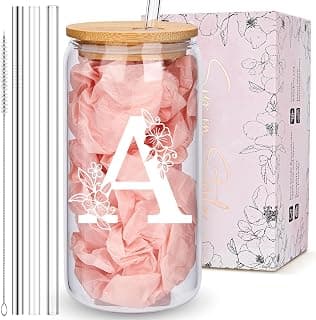
To effectively navigate the landscape of personalized items, one must distinguish between superficial customization (e.g., placing a name on a low-quality item) and substantive personalization (e.g., modifying an item of high inherent utility to suit a specific person). The latter is consistently rated as more impactful in longitudinal relationship studies.
| Gifting Variable | Standard Mass-Produced Gift | The Best Custom Gifts |
|---|---|---|
| Perceived Effort | Low: Requires only a transaction. | High: Requires research and lead time. |
| Psychological Impact | Utility-based: Practical but forgettable. | Identity-based: Validates the recipient. |
| Longevity of Use | Moderate: Prone to replacement. | Extreme: Often kept as a sentimental heirloom. |
| Social Signaling | General: Satisfies social protocol. | Specific: Signals a deep personal bond. |
Strategic Frameworks for High-Utility Personalization
When determining how to personalize, the giver must balance the "Novelty Factor" with "Functional Utility." A gift that is highly personalized but serves no practical purpose often ends up as "clutter," a common criticism found in minimalist and practical living communities on platforms like Reddit. For instance, when looking for best gift ideas for him, choosing a high-quality best hand watch for man and adding a discreet, meaningful engraving on the case back is often more effective than a loud, overtly customized novelty item. The engraving serves as a private message between the giver and recipient, maintaining the professional aesthetic of the watch while deepening its emotional resonance.
The most successful gifts are those that solve a problem for the recipient while simultaneously acknowledging a shared history that only the giver and recipient understand.
Similarly, for professional or academic milestones, the best gift ideas for a woman often revolve around accessories that blend style with organizational necessity. A best leather tote with subtly embossed initials or a best small wallet for women in a specific leather texture they admire demonstrates a refined approach to customization. These items are integrated into daily routines, ensuring that the "signal of care" is reinforced every time the recipient uses the product.
Avoiding the Pitfalls of Generic Personalization
One of the most frequent mistakes in the gifting process is failing to understand how to come up with good gift ideas that align with the recipient's lifestyle. Mass customization platforms often promote low-quality plastic or polyester products that are personalized with generic fonts. These items often lack the "material integrity" required for a long-term gift. Professional consultants advise focusing on the quality of the base material first (e.g., full-grain leather, high-grade steel, or archival-grade paper) before considering the method of personalization.
Emotional Value versus Material Value: A Critical Perspective
In various online gifting communities, such as those found on Reddit, there is an ongoing debate regarding whether the sentimental value of a gift can compensate for a lack of material quality. The consensus among relationship experts is that while the thought does count, the physical durability of the gift acts as a metaphor for the relationship itself. A custom gift that breaks or wears down quickly can inadvertently signal that the relationship is ephemeral. Therefore, the emotional value must be supported by material excellence.
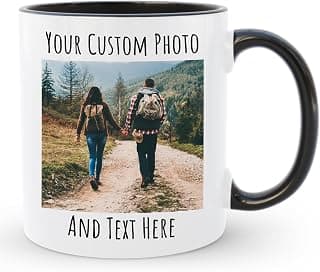
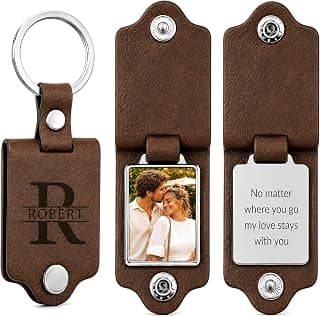
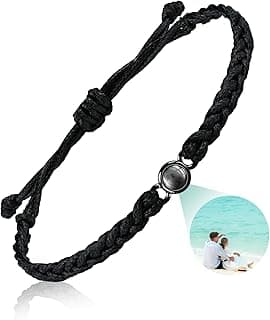
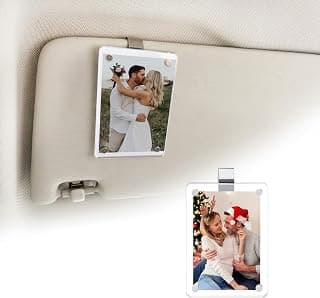
The "sentimental ROI" (Return on Investment) of a personalized gift is highest when the customization is linked to a significant memory. This is fundamentally what makes a memorable gift. It is not the price tag, but the specific, accurate reflection of the recipient's journey. Whether it is a coordinate-based engraving of a first home or a custom-bound collection of a favorite author's works, the specificity of the gift is its primary strength.
True personalization is not about the giver's taste, but about the giver's ability to see the world through the recipient's eyes.
Technical Analysis of Customization Methods
The method used to create the best custom gifts significantly affects the item's aesthetic and durability. Choosing the right technique ensures that the personalization remains legible and attractive for years to come.
| Method | Primary Application | Durability Level |
|---|---|---|
| Laser Engraving | Metals, Glass, Hardwoods | Very High: Permanent structural change. |
| Blind Embossing | Leather Goods, Stationery | High: Tactile and elegant. |
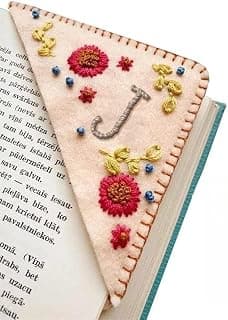
| Embroidery | Textiles, Apparel, Bags | High: Integrated into the fabric. |
| UV Printing | Complex Graphics, Plastics | Moderate: Can wear over time with friction. |
Frequently Asked Questions
Are custom gifts always better than standard ones?
Yes, provided the base quality of the product is high and the personalization is relevant to the recipient's identity or needs. A high-quality personalized gift signals a greater level of cognitive investment and emotional intelligence than a generic alternative. However, a personalized item of poor quality may be perceived as less valuable than a well-made, albeit generic, premium product.
How much lead time is generally required for the best custom gifts?
Standard lead times for high-quality customization typically range from seven to twenty-one business days. This timeframe accounts for the design proofing, precision manufacturing, and quality control steps required for bespoke items. Planning ahead is a critical component of the gifting strategy to avoid the "last-minute penalty," where the giver is forced to choose lower-quality items due to shipping constraints.
Does personalization increase the resale value of an item?
No, personalization generally decreases the financial resale value of an item because it narrows the market to individuals with the same initials or history. However, the objective of the best custom gifts is not financial liquidation, but the maximization of "use-value" and "sentimental-value" for the specific recipient. The "value" is found in the unique bond it facilitates, rather than its market price in a secondary economy.
What is the most subtle way to personalize a gift?
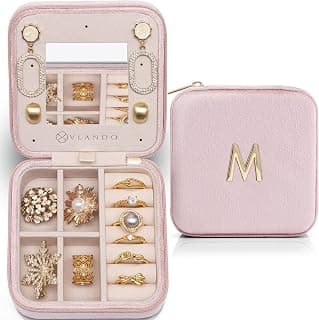
The most sophisticated method of personalization is "hidden customization," such as a message inside a coat lining, an engraving on the inside of a ring, or initials on the gusset of a bag. This approach appeals to individuals who prefer "quiet luxury" and value the personal meaning of the gift over external display. It transforms the object into a private secret shared between the giver and the recipient.
In conclusion, selecting the best custom gifts requires a disciplined approach that combines psychological insight with a commitment to material quality. By focusing on the recipient's unique identity and choosing durable, high-utility items, givers can create lasting symbols of connection that stand the test of time.








