
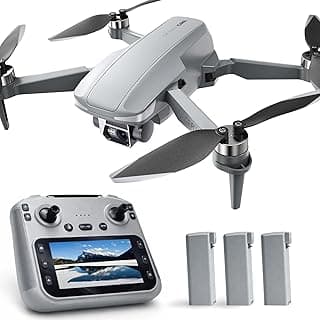
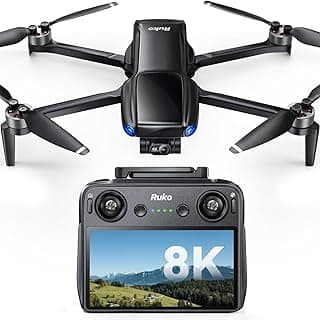
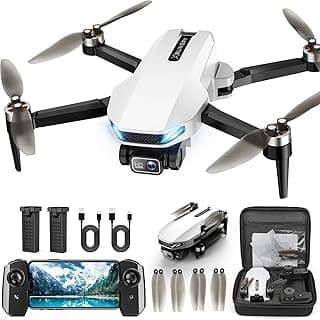
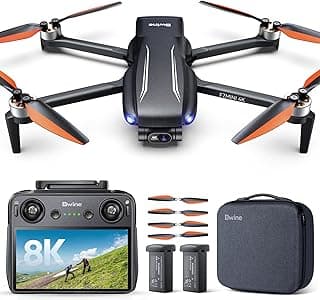
The Technical Foundations of Aerial Cinematography
The primary differentiator between standard consumer quadcopters and the best drones for cinematography lies in the sensor size and the processing pipeline. A professional-grade gift should ideally feature a sensor no smaller than 1 inch. This physical surface area is critical for capturing high dynamic range (HDR) footage and maintaining image integrity in low-light conditions. Smaller sensors often suffer from digital noise that becomes apparent once the footage is viewed on large displays or processed in post-production. Furthermore, for a drone to be a truly best professional drone, it must support 10-bit color depth. This allows for over a billion color variations, providing the flexibility needed for professional color grading—a requirement for any serious cinematographer.
Mechanical stabilization is another pillar of quality. A three-axis gimbal is the industry standard, ensuring that even as the aircraft battles wind or executes high-speed maneuvers, the camera remains perfectly level. When considering what to buy for a creative person, you are not just gifting a flying camera; you are gifting a stable, moving tripod in the sky. However, buyers should be skeptical of "electronic image stabilization" (EIS) in the lower-tier market, as it often results in cropped, lower-resolution frames compared to true mechanical stabilization.
Gifting tech is about more than specifications; it is about upgrading the recipient's window to the digital world, ensuring every frame is a testament to quality.
User Empathy: Matching the Drone to the Recipient’s Lifestyle
Selecting the best drones for cinematography requires a deep understanding of the recipient's specific environment and physical capabilities. A heavy, complex system may be impressive, but it can be a burden for a travel-focused creator. Conversely, a lightweight drone might struggle in coastal environments with high wind speeds. We must segment users to find the ideal match:
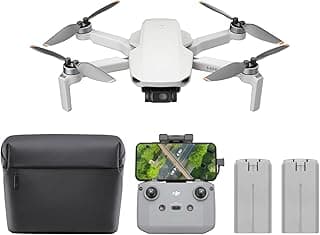
- The Wilderness Explorer: This user requires a best small drone that can fit into a hiking pack without compromising the pilot's mobility. Weight distribution and rapid deployment are more important here than having a cinema-grade interchangeable lens system.
- The Indie Filmmaker: For this persona, the best 4k drone with a high bitrate (at least 150 Mbps) is non-negotiable. They need the ability to manually control aperture and shutter speed to maintain the "cinematic look," which typically requires a 180-degree shutter rule.
- The Urban Content Creator: This user often faces strict regulations. Gifting a drone that falls under the 249-gram weight limit can be a strategic choice, as it bypasses certain registration requirements in many jurisdictions while still offering impressive 4K capabilities.
The BIFL (Buy It For Life) Philosophy and Hidden Costs
As an analyst, I must warn that no drone is truly "forever" due to the nature of Lithium-Polymer (LiPo) batteries and evolving firmware. However, one can choose a system that follows a modular philosophy. The best drones for cinematography are those with high repairability scores and readily available third-party replacement parts, such as propellers, gimbal protectors, and landing gear. When you evaluate how to come up with good gift ideas, consider the "hidden costs of ownership." A drone gift is incomplete without considering:
- Battery Degradation: LiPo batteries typically maintain peak performance for 300 to 500 charge cycles. A serious cinematographer will require at least three batteries to maintain a productive workflow.
- Storage Media: High-bitrate 4K or 5.4K video requires UHS-I Speed Class 3 (V30) microSD cards. Using standard cards will lead to dropped frames and data corruption.
- ND Filters: Essential for controlling light, Neutral Density (ND) filters are the "sunglasses" for the drone, allowing for motion blur even in bright sunlight.
Technical Comparison of Professional Aerial Platforms
To assist in the decision-making process, the following table compares key technical variables of leading cinematography platforms. Note that prices fluctuate based on regional taxes and bundle configurations.
| Feature | Prosumer Standard | Compact Cinema | Heavy-Lift Professional |
|---|---|---|---|
| Sensor Size | 1-inch CMOS | 4/3-inch CMOS | Full Frame / Super 35 |
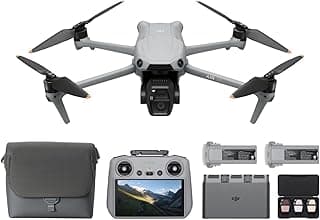
| Max Resolution | 4K @ 60fps | 5.1K @ 50fps | 8K @ 75fps |
| Weight (Grams) | ~595g | ~895g | 4000g+ |
| Best For | Vlogging / Travel | Indie Films | Commercial / Feature Film |
| Internal Storage | 8GB - 32GB | 1TB SSD (Opt) | External SSD Only |
When searching for the best aerial photography drone, remember that high resolution does not always equate to high quality. A drone that records in Apple ProRes or another "lossless" format will provide significantly more data for the recipient to work with than one that relies solely on highly compressed H.264 codecs.
Advanced Considerations for the Discerning Gifter
Before finalizing your choice, reflect on what is someone that loves technology actually looking for in a gift. Often, it is the integration of the ecosystem. Does the drone controller have a built-in high-brightness screen, or does it require the user to tether their phone? For professional cinematography, a dedicated monitor is preferred to avoid interruptions from calls or notifications during a critical flight. This is a common consideration when looking for the best gifts for xmas for a tech enthusiast who values streamlined workflows.
Frequently Asked Questions
Is a more expensive drone always better for cinematography?
No, the "best" drone is the one that fits the specific shooting environment. While a heavy-lift drone offers superior image quality, its noise profile and size make it unsuitable for covert urban filming or travel. For most creators, a mid-range drone with a 4/3-inch sensor offers the best balance of portability and professional output.
Do drones for cinematography require special insurance?
Yes, if the drone is being used for commercial purposes, most jurisdictions require specific liability insurance. Even for hobbyist use, it is highly recommended to purchase "hull insurance" which covers accidental damage (crashes), as repair costs for gimbal assemblies can exceed 40% of the drone's original value.
How long do the batteries actually last?
While many manufacturers claim 30-45 minutes of flight time, real-world cinematic flying—which involves hovering and fighting wind—typically results in 22-28 minutes of usable footage per battery. Always account for the "Return to Home" (RTH) buffer, which usually triggers when 20% of the battery remains.
Can these drones be used in the rain?
Generally, no. Most cinematography drones are not waterproof or even water-resistant. Moisture can easily enter the cooling vents and short-circuit the Electronic Speed Controllers (ESCs) or the gimbal motors. Only specialized industrial drones offer high IP (Ingress Protection) ratings for inclement weather.
In conclusion, gifting one of the best drones for cinematography is a gesture that acknowledges the recipient's artistic ambition. By focusing on sensor quality, modularity, and user-specific needs, you ensure that your investment helps them capture perspectives that were once reserved for big-budget film studios.