


The Physics of Recreational Flight: Engineering the Fun Factor
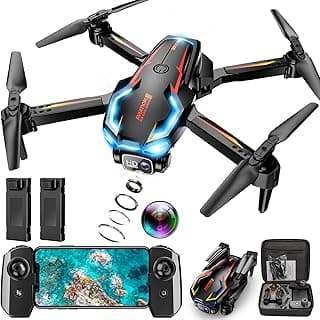
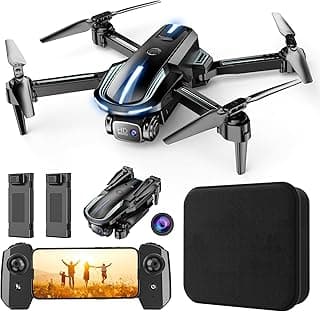
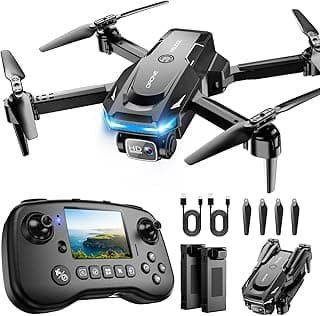
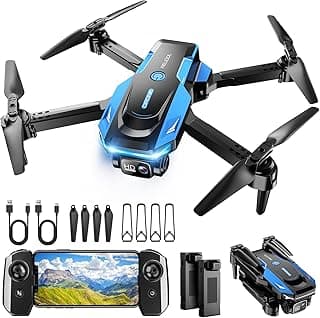
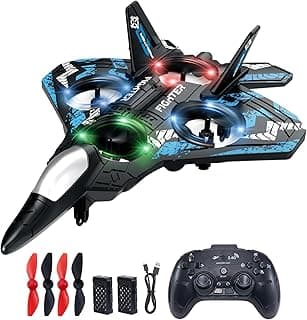
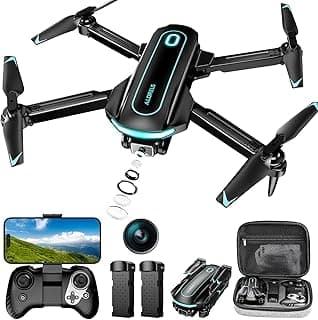
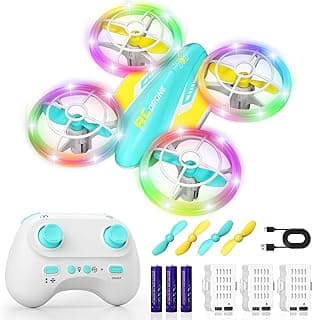
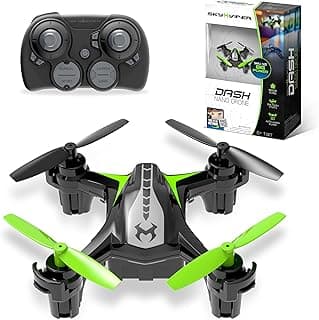
The term "best drones for fun" is frequently used to describe a broad spectrum of aircraft, ranging from palm-sized indoor quadcopters to sophisticated GPS-guided platforms. The engineering reality is that smaller drones often rely on brushed motors, which have a finite lifespan—typically 20 to 50 hours of flight—due to the physical friction of the brushes against the commutator. While these are often found in a best 100 dollar drone, they lack the torque and efficiency of brushless motors. For a gift that survives the first month of use, prioritizing brushless motors is a technical necessity, as they offer significantly higher revolutions per minute (RPM) and better resistance to wind, which directly translates to a more responsive and "fun" flying experience.
Gifting tech is about more than specifications; it is about upgrading the recipient's window to the digital world, ensuring every frame is a testament to quality.
Furthermore, flight stability is governed by the Inertial Measurement Unit (IMU). A high-quality IMU utilizes a combination of gyroscopes and accelerometers to maintain a level attitude. In drones designed for pure enjoyment, the integration of optical flow sensors—downward-facing cameras that "lock" onto patterns on the ground—allows for steady hovering even without a GPS signal. This is critical when considering best gift ideas for teens, who may lack the fine motor skills required to manually correct for drift in indoor settings or crowded backyards.
User Empathy: Matching the Drone to the Recipient
A common failure in gifting is providing a high-performance machine to a user who lacks the infrastructure to support it. To avoid this, we must categorize users by their specific living conditions and physical capabilities. For those in urban environments with strict airspace regulations, a best small drone—specifically one weighing under 250 grams—is the most logical choice. These "sub-250g" aircraft often bypass many registration requirements in various jurisdictions, making the "fun" aspect uninterrupted by legal paperwork.
For the recipient what-is-someone-that-loves-technology, the appeal lies in the telemetry and the software interface. They will appreciate features like "First Person View" (FPV) toggles and customizable flight modes. Conversely, if the goal is to provide what-is-a-good-experiential-gift, one might lean toward a drone with high-quality imaging capabilities, such as a best 4k drone, which allows the "fun" to extend into the editing suite after the batteries are depleted.
Technical Comparison: Brushed vs. Brushless Systems
To assist in your selection process, the following table compares the two primary motor technologies found in recreational drones. This data is crucial for understanding the longevity of your gift.
| Feature | Brushed Motors (Budget/Toy) | Brushless Motors (Hobbyist/Prosumer) |
|---|---|---|
| Lifespan | Short (20-50 flight hours) | Extremely Long (Thousands of hours) |
| Maintenance | Motors must be replaced entirely | Occasional bearing lubrication |
| Wind Resistance | Low; prone to "fly-aways" | High; active torque compensation |
| Acoustic Profile | High-pitched whine | Lower frequency; more efficient air movement |
| Gifting Context | Entry-level indoor practice | Serious outdoor exploration and longevity |
The "Buy It For Life" Philosophy: Serviceability and Hidden Costs
The "fun" of a drone quickly evaporates when a single broken propeller or a depleted battery renders the unit inoperable. Independent repair communities often warn against "monolithic" drone designs where the battery is integrated into the chassis and cannot be swapped. For a gift to have lasting value, it must be part of an ecosystem. This includes the availability of third-party spare parts (propellers, landing gear, and motor guards) and modular battery systems. A drone that uses proprietary batteries which cost 40% of the unit's total price is not a gift; it is a future liability.
Educating the recipient on Lithium Polymer (LiPo) battery chemistry is also essential. These batteries do not tolerate being stored at 100% charge for long periods; they will swell and lose capacity. A "fun" drone gift should ideally include a storage-capable charger or clear instructions on battery maintenance to ensure the machine remains flight-ready for years rather than months.
Direct Answer Framework: Frequently Asked Questions
Is a drone a safe gift for someone with no experience?
Direct Answer: Yes, provided the drone features "Altitude Hold," "Headless Mode," and a "Return to Home" (RTH) function. These three features drastically reduce the learning curve by automating the most difficult aspects of flight: maintaining height, orientation, and landing. Without these, a beginner is likely to crash within the first three minutes of operation.
What are the recurring costs of owning a recreational drone?
Direct Answer: Batteries and propellers represent the primary ongoing expenses. A high-cycle LiPo battery will typically need replacement after 150-200 charges to maintain peak performance. Propellers should be treated as consumables; even minor chips in the leading edge can cause vibrations that damage the internal IMU over time. It is highly recommended to gift an "extra propeller kit" alongside the main unit.
Can these drones be used indoors?
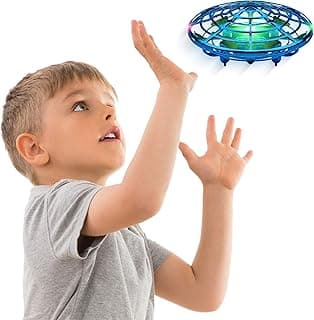
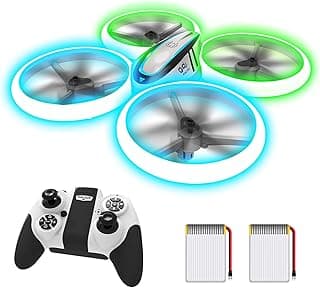
Direct Answer: Only if they are equipped with full 360-degree propeller guards and optical flow sensors. Drones that rely solely on GPS will drift significantly indoors, leading to wall collisions. For indoor "fun," look for "Whoop" style drones which have ducted fans that protect both the aircraft and the household furniture from damage during low-speed impacts.
In summary, finding the best drones for fun requires a shift from chasing maximum speed to seeking maximum reliability. Whether you are looking for best gift ideas for a woman who enjoys photography or a teenager interested in robotics, the engineering principles remain the same. Prioritize brushless motors, ensure the weight fits the legal category for the recipient’s location, and always consider the availability of replacement parts. By doing so, you transform a fleeting tech gadget into a durable tool for exploration and a source of genuine, long-term enjoyment.