
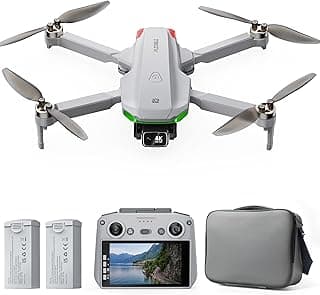
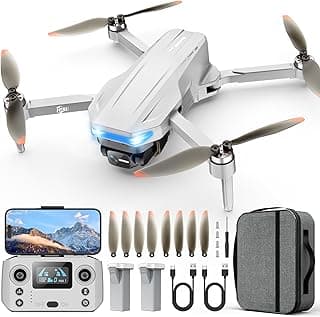
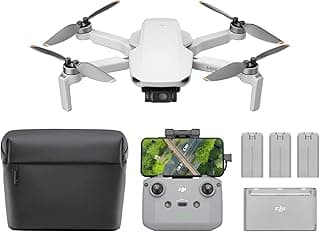
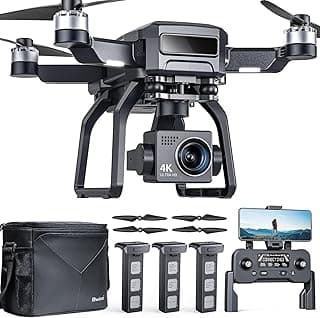
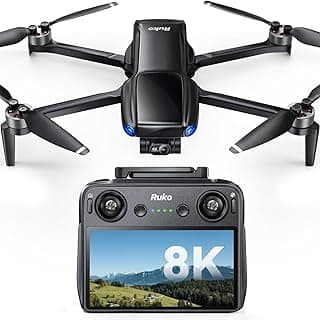
Understanding the Technical Core: Sensors and Stabilization
The primary variable that determines the success of an aerial image is the physical size of the camera sensor. In the drone industry, marketing often emphasizes "megapixels," but as mechanical engineers and analysts, we must prioritize the surface area of the CMOS sensor. A 1-inch sensor, for instance, provides significantly better dynamic range and low-light performance than the smaller 1/2.3-inch sensors found in entry-level models. When searching for a best 4k drone, one must verify if the 4K resolution is natively captured with sufficient bitrates—typically 100Mbps or higher—to avoid compression artifacts during movement.
Furthermore, the gimbal mechanism—the 3-axis motorized stabilizer—is the silent hero of aerial video. A drone could have a cinema-grade lens, but without a high-frequency response gimbal, the footage will be rendered useless by the micro-vibrations inherent in quadcopter propulsion. When considering how to come up with good gift ideas for a photographer, analyzing the mechanical dampening of the gimbal is just as critical as the camera specifications themselves.
Gifting tech is about more than specifications; it is about upgrading the recipient's window to the digital world, ensuring every frame is a testament to quality.
User Empathy: Matching the Drone to the Pilot
Not every recipient has the same physical or environmental constraints. A traveler who values portability requires a sub-240-gram machine to bypass stringent registration laws in many regions. Conversely, a professional filmmaker needs a best professional drone with redundant battery systems and the ability to carry interchangeable lenses. We must segment potential gifts based on these diverse needs:
- The Commuter/Traveler: Prioritizes folding mechanisms and weight. These users need systems that can be deployed in under 60 seconds.
- The Aspiring Cinematographer: Requires 10-bit D-Log color profiles to allow for color grading in post-production. This is a common requirement for best gift ideas for him if he is into creative hobbies.
- The Tech-Savvy Teen: Safety is paramount here. Intelligent obstacle avoidance sensors on all six sides of the aircraft are non-negotiable features when looking at best gift ideas for teens.
Comparative Analysis of Aerial Imaging Systems
To assist in the selection process, the following table compares key technical variables across different tiers of aerial imaging platforms. This data avoids hyperbolic claims and focuses on physical capabilities.
| Category | Target User | Sensor Size | Max Flight Time | Repairability Score |
|---|---|---|---|---|
| Miniature/Lightweight | Casual Travelers | 1/1.3-inch CMOS | 30-34 Minutes | Low (Highly integrated) |
| Prosumer/Mid-Range | Hobbyist Photographers | 1-inch CMOS | 31 Minutes | Medium (Modular props) |
| Professional/Cinema | Commercial Pilots | Micro Four Thirds | 25-28 Minutes | High (Modular gimbal/arms) |
The BIFL Philosophy: Longevity and Hidden Costs
Drones are inherently depreciating assets, but adopting a "Buy It For Life" (BIFL) mindset can mitigate the environmental and financial impact of fast consumerism. The hidden costs of owning a best prosumer-drone often include "Propeller Tax"—the recurring cost of replacing damaged blades—and the inevitable degradation of Lithium Polymer (LiPo) batteries. A battery typically loses significant capacity after 200 to 300 cycles. When gifting, it is wise to include a "Fly More" style kit that provides multiple batteries and a multi-charging hub.
Repairability is another critical factor. Many modern drones use ultrasonic welding or proprietary screws to prevent disassembly. We recommend looking for brands that offer comprehensive "refresh" insurance policies, as most consumer drones cannot be easily repaired by the average user after a high-velocity collision. Educating the recipient on the importance of "Propeller Guards" for indoor flights can save hundreds of dollars in repair costs.
Selecting the Memorable Gift
A drone is often what makes a memorable gift because it provides a literal "out of body" experience. For those looking for gifts for my best friend, an entry-level best aerial photography drone can spark a lifelong passion for exploration. It is not just about the plastic and silicon; it is about the ability to see one’s hometown or a vacation spot from a perspective previously reserved for those with access to helicopters.
Safety and Regulatory Compliance
Before the first flight, the recipient must be made aware of the local civil aviation authorities' rules. Many regions require an online test or registration for aircraft over a certain weight. Gifting a drone without explaining the "No Fly Zone" (NFZ) limitations can lead to legal complications. High-quality drones include built-in "Geofencing" software that prevents the aircraft from taking off near airports or sensitive government installations, which is a vital safety feature for the modern pilot.
Frequently Asked Questions (FAQ)
Do I need a license to fly the drone I receive as a gift?
Yes, in most jurisdictions, if the drone weighs more than 250 grams, you must register it and potentially pass a basic safety test. Even sub-250g drones must be flown according to standard safety rules, such as maintaining a visual line of sight and avoiding restricted airspace.
Can these drones be used in the wind?
No consumer drone is completely immune to wind, but models with higher "Wind Speed Resistance" ratings (usually Level 5 or higher) can remain stable in gusts up to 24 mph. However, high winds will exponentially increase battery consumption as the motors work harder to maintain a hover.
Is the camera on a drone better than a smartphone?
While modern smartphones have excellent computational photography, a drone’s camera often has a larger physical sensor and the advantage of being positioned in 3D space. The "Best" drone camera is defined by its ability to capture uncompressed RAW files and high-bitrate video, providing far more data for editing than a standard mobile device.
What happens if the drone loses signal with the controller?
Most reputable drones feature a "Return to Home" (RTH) function. This safety protocol uses GPS to automatically navigate the drone back to its takeoff point if the signal is severed or the battery reaches a critical low level.