
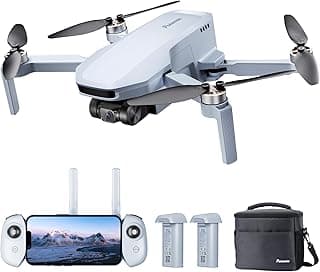
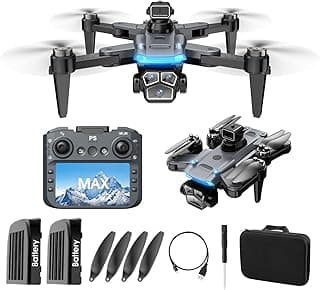
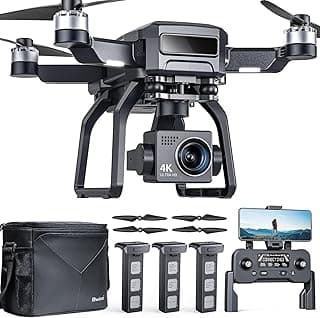
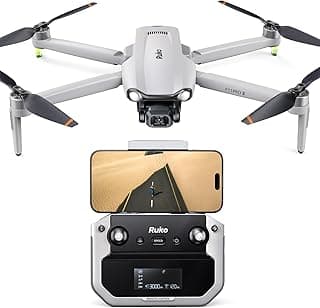
The Engineering of Aerial Imaging: Why Sensor Size is Non-Negotiable
The primary challenge in real estate photography is dynamic range. Aerial shots often involve capturing bright skies alongside shadowed architectural details. From a mechanical engineering standpoint, the size of the image sensor determines the "bucket capacity" for photons. A 1-inch CMOS sensor is widely considered the professional threshold; anything smaller typically results in digital noise in the shadows and "blown-out" highlights in the sun. If you are looking for best gift ideas for him, especially for a spouse or partner entering the field, prioritizing sensor size over "smart features" is the most prudent technical decision.
Gifting tech is about more than specifications; it is about upgrading the recipient's window to the digital world, ensuring every frame is a testament to quality.
Furthermore, lens quality and aperture control are vital. Fixed apertures limit a photographer's ability to manage exposure in changing light conditions without increasing ISO (which degrades image quality). A drone with an adjustable aperture allows the user to maintain the "sweet spot" of the lens, ensuring that every corner of a luxury estate is rendered with clinical sharpness. This level of control is what differentiates a consumer toy from a best professional drone.
Operational Stability and Safety Systems
For a real estate professional, the drone is often operated in confined suburban environments with potential interference from power lines and trees. The reliability of the transmission system is the invisible backbone of the flying experience. Modern digital transmission protocols offer a low-latency, high-bitrate feed that allows the pilot to see fine details—like a stray branch or a power line—that could cause a catastrophic failure. When considering what is someone that loves technology, one must realize they value the robustness of the link between the remote and the aircraft more than flashy exterior lights.
Obstacle avoidance is another critical engineering variable. True omnidirectional sensing uses a suite of binocular vision sensors and infrared "time-of-flight" (ToF) sensors to create a 3D map of the environment. While no system is foolproof, a drone equipped with advanced APAS (Advanced Pilot Assistance Systems) provides a layer of security that protects the recipient’s investment. This is particularly important for those who may be focused more on the "art" of the shot than the "mechanics" of the flight.
Technical Comparison: Professional Requirements vs. Budget Realities
The following table breaks down the core technical variables that impact real estate deliverables. Comparison is essential to understand where the "sweet spot" of value resides.
| Feature | Entry-Level (Hobbyist) | Professional Standard | High-End Industrial |
|---|---|---|---|
| Sensor Size | 1/2.3-inch (Small) | 1-inch CMOS | Micro Four Thirds / Full Frame |
| Video Resolution | 4K / 30fps | 5.4K / 60fps (10-bit) | 8K / Apple ProRes 422 HQ |
| Flight Time | ~25 Minutes | ~31-45 Minutes | ~40+ Minutes (Dual Battery) |
| Transmission Range | 4km (Standard) | 12km - 15km (High-Bitrate) | 15km+ with OcuSync 4.0/5.0 |
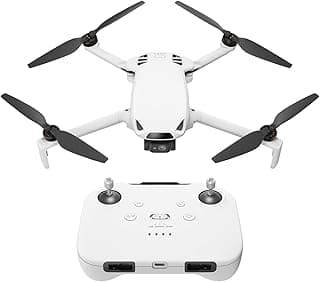
| Weight Class | Sub-250g | 500g - 950g | 2kg+ |
The "Buy It For Life" Philosophy: Longevity and Repairability
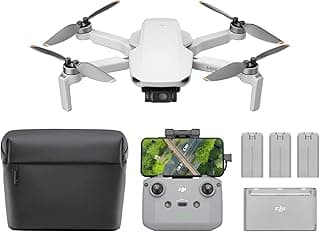
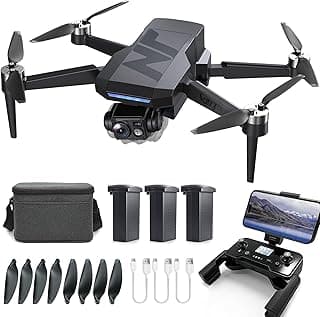
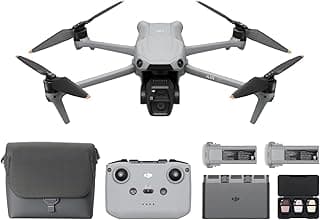
One of the most significant hidden costs in the drone industry is battery degradation and part availability. High-performance Lithium-Polymer (LiPo) batteries are consumables; their capacity diminishes after approximately 200–300 charge cycles. When selecting the best drones for real estate photography, check the availability of "Fly More" kits, which include multiple batteries and a charging hub. For a professional, time spent waiting for a battery to charge is lost revenue. If you are choosing a best gift for my husband who is starting a photography side-hustle, providing the "Fly More" option is actually more valuable than a slightly higher-resolution camera.
Repairability is another pillar of professional ownership. Avoid "all-in-one" designs that require the entire unit to be replaced for a simple gimbal crack. Brands that offer comprehensive care plans and have a robust third-party repair ecosystem ensure that a minor collision doesn't turn into a permanent paperweight. This modularity is a core tenet of the BIFL movement, emphasizing quality tools over disposable electronics.
The Importance of Secondary Ecosystems
A drone is only one part of the professional workflow. The data generated—often gigabytes of 10-bit video—requires significant storage and processing power. A thoughtful gifting strategy might include a best 4k drone paired with a best portable hard drive for pc to ensure the footage is backed up immediately on-site. Furthermore, because real estate editing involves long hours of reviewing high-resolution displays, professionals often benefit from best blue blocker computer glasses to reduce eye strain during post-production marathons.
User Empathy: Matching the Drone to the Environment
Not every real estate agent needs a cinematic heavy-lifter. Content must cater to the physical reality of the user’s work:
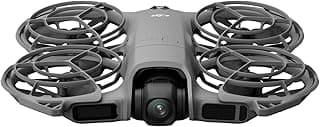
- Small Residential Listings: A compact, sub-250g drone is often sufficient. Its smaller footprint allows for easier maneuverability around tight property lines and often bypasses stricter regulatory requirements in certain jurisdictions.
- High-Density Pet Owners: If the photographer lives with pets, suggest a "closed-bin" storage solution for the drone. Propeller motors are highly sensitive to pet hair and dander, which can clog the brushless motors over time.
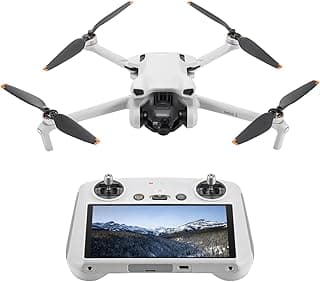
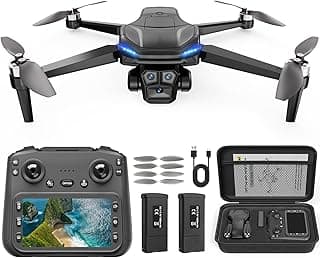
- The Milestone Gift: For those asking how to come up with good gift ideas for a graduation or a career change, consider the "all-in-one" professional bundles. These provide the drone, a dedicated remote with a built-in high-brightness screen (avoiding the need to use a smartphone), and a rugged hardshell case.
Frequently Asked Questions (FAQ)
Is a drone with a 1/2.3-inch sensor good enough for real estate?
No, typically it is not sufficient for professional standards. While it can take decent photos in bright sunlight, it lacks the dynamic range required to capture both the interior details visible through windows and the exterior landscape without significant noise or highlight clipping.
Do I need to buy a specific license for the recipient?
Yes, in most regions, using a drone for real estate photography is considered a "commercial operation." While you cannot buy the license for them, as they must pass a knowledge test, offering to pay for their FAA Part 107 (or local equivalent) exam fee is an excellent supplementary gift idea.
How many batteries are necessary for a day of shooting?
At least three batteries are the professional minimum. This allows for one battery in the drone, one on the charger, and one "ready" to go, ensuring a continuous workflow for a multi-property schedule.
Should I choose a drone with an internal memory or an SD card slot?
A slot for an SD card is mandatory. Professionals need to quickly swap cards between flights to hand off data to editors or to prevent total data loss if a drone is lost during a flight; internal memory is a secondary backup at best.
In conclusion, the best drones for real estate photography are those that balance technical precision with operational reliability. By focusing on sensor physics, transmission stability, and the long-term cost of ownership, you can provide a gift that doesn't just capture photos, but elevates a career. Whether you are browsing best gift ideas for a woman or man in the creative industry, remember that the most impactful gifts are those that solve a professional friction point through superior engineering.