
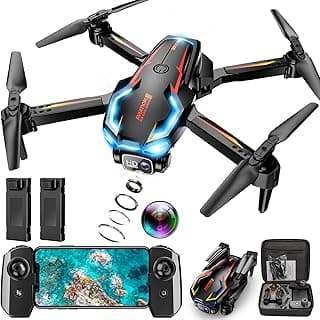
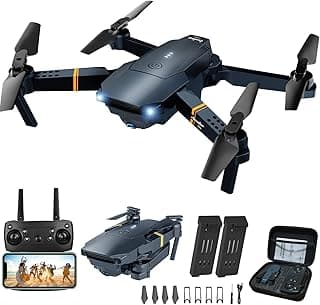
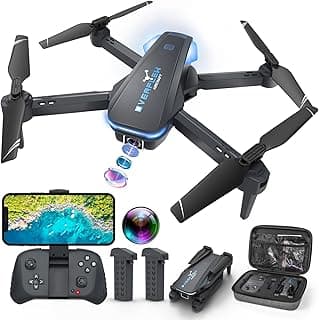
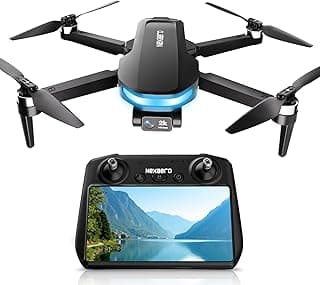
The Physics of Flight and Gifting Empathy
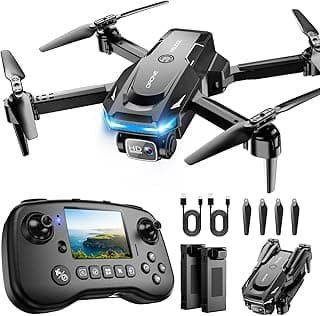
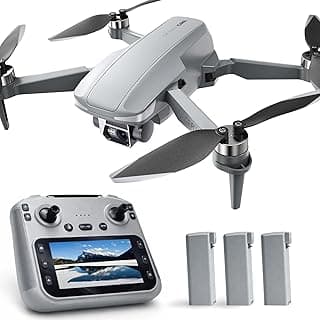
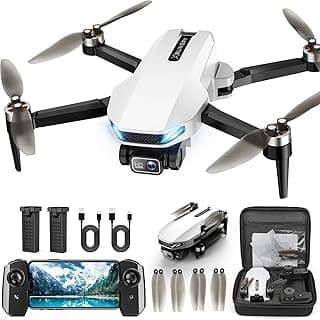
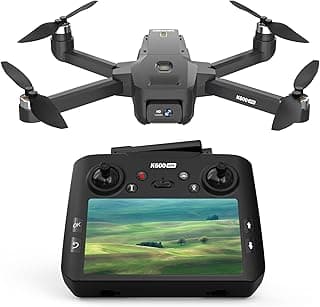
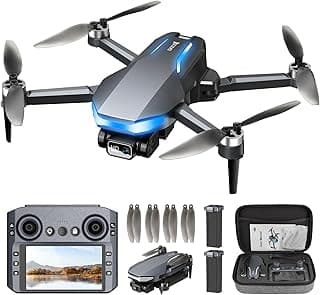
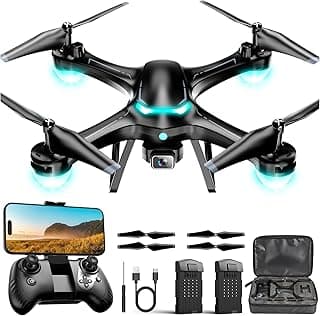
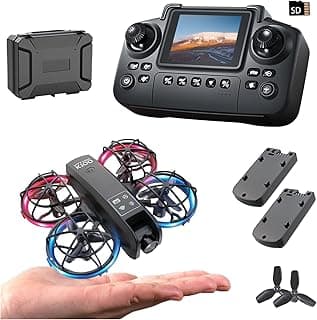
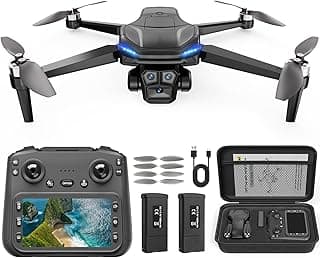
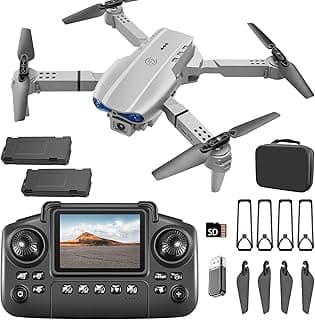
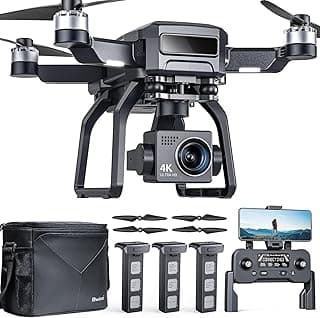
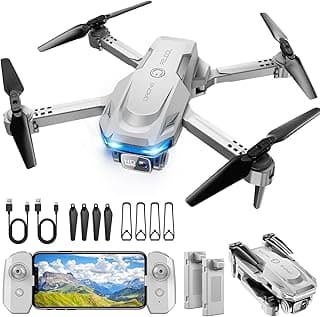
Drones are inherently complex systems that must balance power-to-weight ratios with processing speed. When considering best drones on the market for a loved one, one must first assess the recipient’s technical environment. A drone intended for a urban dweller requires robust signal transmission—specifically systems that utilize frequency hopping to avoid interference from ubiquitous Wi-Fi signals—whereas a drone for a traveler must prioritize sub-250-gram weight classes to bypass many international registration hurdles.
For those shopping for best gift ideas for teens, the focus should be on obstacle avoidance sensors. Entry-level pilots often struggle with spatial awareness; therefore, a drone equipped with omnidirectional vision sensors provides a necessary safety margin. Conversely, for a seasoned photographer, the primary metric is the CMOS sensor size. A 1-inch sensor, while heavier and more expensive, provides the dynamic range necessary for professional-grade sunset shots that smaller sensors will inevitably blow out into digital noise.
Gifting tech is about more than specifications; it is about upgrading the recipient's window to the digital world, ensuring every frame is a testament to quality.
Technical Comparison: Defining Market Standards
To move beyond hyperbolic claims, we must compare the fundamental hardware variables that define the best drones on the market. The following table outlines the technical divergence between standard consumer models and professional-grade gifting options.
| Feature | Standard Consumer Grade | High-Tier Gifting Standard |
|---|---|---|
| Sensor Size | 1/2.3-inch CMOS | 1-inch to 4/3 CMOS |
| Transmission Range | 2-4 km (Wi-Fi based) | 10-15 km (Dedicated RF) |
| Obstacle Avoidance | Downward only | Omnidirectional (360-degree) |
| Wind Resistance | Level 4 (up to 20mph) | Level 6+ (up to 30mph) |
| Battery Chemistry | Standard LiPo | Intelligent Flight (Self-discharging) |
As indicated by the data, a best 4k drone is not merely about the resolution of the video file; it is about the bitrate and the sensor's ability to process that data without overheating. When you ask how to come up with good gift ideas, the answer often lies in the "ceiling" of the product—how much room the user has to grow before the hardware limits their creativity.
Buy It For Life (BIFL) and the Hidden Costs of Drone Ownership
A critical oversight in drone gifting is the failure to account for the "total cost of ownership." The best drones on the market are those with a modular ecosystem. In the world of mechanical repair, unibody designs are often "disposable" tech. If a motor arm snaps and the manufacturer does not sell individual replacement parts, a minor crash results in a total loss. Therefore, we prioritize brands that offer robust third-party support and user-replaceable components.
Furthermore, the degradation of Lithium Polymer (LiPo) batteries is an inescapable reality. Intelligent flight batteries, found in premium models, include internal circuitry that automatically discharges the cells to a stable storage voltage after a period of inactivity. This prevents "puffing" and chemical failure, extending the gift's lifespan significantly. For the true enthusiast, owning a best 3d printer for drone parts can further extend the life of the machine, allowing for the creation of custom landing gear or prop guards.
Environmental and Regulatory Empathy
Gifting a drone also requires an understanding of the recipient's local laws. Many of the best drones on the market now come in two distinct weight categories. The ultra-light category (under 249g) is often exempt from FAA or EASA registration in many jurisdictions, making it a much "kinder" gift for someone who wants to fly without navigating complex government bureaucracy. For those who enjoy active lifestyles, pairing a drone with a best sport tracking watch or a best action sports camera creates a comprehensive ecosystem for documenting outdoor achievements.
Advanced Imaging and Computational Flight
Modern aerial platforms are no longer just cameras in the sky; they are flying supercomputers. Features like "ActiveTrack" or "Follow Me" modes rely on complex computer vision algorithms. When evaluating the best drones on the market, check for the version of these algorithms. Older systems rely on simple color contrast tracking, which easily loses a subject in a forest or crowd. Newer iterations use 3D environment mapping to predict subject movement, which is essential for someone who is what is someone that loves technology and demands high-fidelity performance.
For those looking for best christmas gifts for techies, consider drones that allow for RAW image capture and 10-bit D-Log color profiles. These technical features provide the creative freedom to "grade" footage in post-production, similar to high-end cinema cameras, ensuring the gift remains relevant even as the recipient's skills evolve.
Direct Answer FAQ: Drone Gifting Decoded
Is a drone a good gift for a complete beginner?
Yes, provided the drone includes GPS-assisted flight and automated return-to-home (RTH) functions. Without GPS, a beginner will likely crash or lose the aircraft due to wind drift during their first flight. Modern "best-in-class" drones are arguably easier to fly than toys because they can hover perfectly in place without pilot input.
How long do drone batteries actually last in the real world?
Most best drones on the market claim 30-45 minutes of flight time, but real-world conditions (wind, temperature, and RTH buffers) usually limit actual filming time to 20-25 minutes per battery. It is highly recommended to gift a "combo" pack that includes at least three batteries to ensure a meaningful session.
Can drones be flown in the rain or snow?
No, the majority of consumer drones are not weather-sealed. Moisture can easily enter the cooling vents and short-circuit the internal ESCs (Electronic Speed Controllers). While some industrial models have IP ratings, they are generally outside the typical consumer gifting budget.
What is the most important spec to look for?
Signal reliability (transmission system) is more important than camera resolution. A 4K camera is useless if the video feed to the pilot's phone stutters or cuts out at a range of 100 meters. Look for proprietary transmission protocols rather than standard Wi-Fi links.
Ultimately, the best drones on the market are those that disappear into the background, allowing the pilot to focus on the art of the shot rather than the mechanics of staying airborne. By prioritizing intelligent battery management, signal stability, and repairability, you are gifting an enduring experience that will capture perspectives previously reserved for professional cinematographers.