
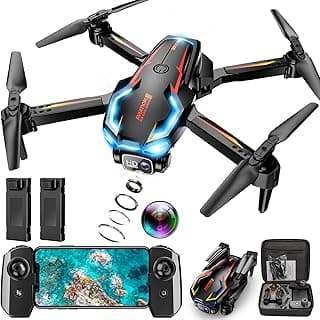
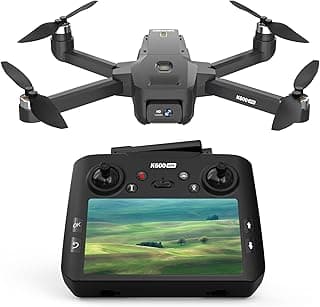
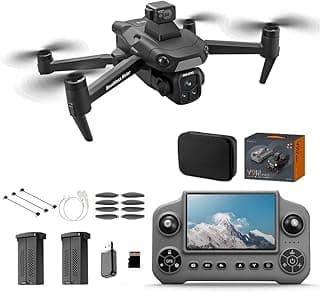
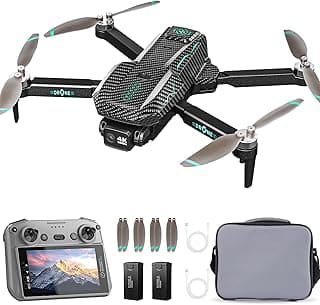
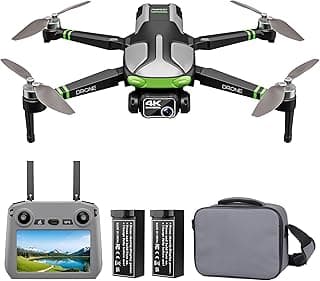
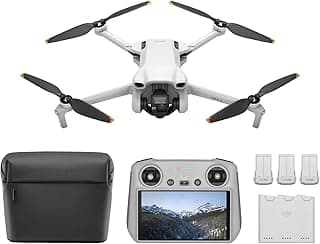
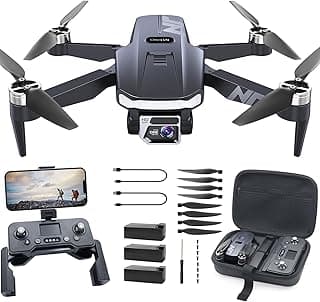
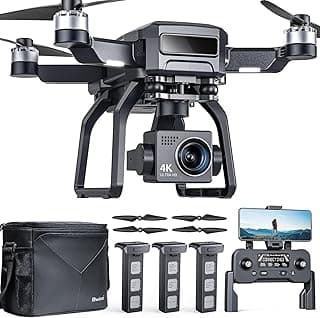
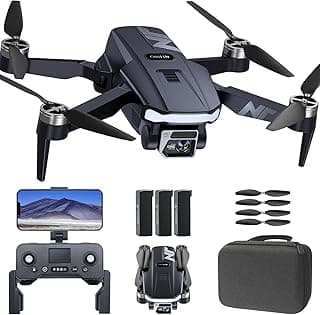
The Engineering Bottleneck: Why Battery Life Matters in Gifting
From a mechanical engineering perspective, a drone is a collection of compromises. To increase flight time, one must either increase battery capacity—which adds weight—or increase the efficiency of the propulsion system. When you look for best gift ideas for him or any tech enthusiast, understanding these trade-offs is essential. A larger battery requires more energy to lift, eventually hitting a point of diminishing returns. Therefore, the most sophisticated gifts in this category utilize high-density Lithium-Polymer (LiPo) or Lithium-Ion (Li-ion) cells paired with aerodynamic propeller designs and brushless motors with optimized copper windings.
Gifting tech is about more than specifications; it is about upgrading the recipient's window to the digital world, ensuring every frame is a testament to quality.
For the recipient, long endurance means more than just longer videos. It facilitates a safer learning curve for beginners and more complex mission planning for professionals. However, buyers should be skeptical of "advertised" flight times. Most manufacturers calculate these figures in a vacuum—specifically, at a constant speed in no-wind conditions at sea level. In real-world scenarios, where a best quadcopter drone must fight wind resistance and power an onboard 4K camera and obstacle avoidance sensors, you should expect a 15% to 20% reduction from the stated maximums.
User Personas: Matching Endurance to Living Conditions
Not every drone user needs 45 minutes of airtime, and the physical limitations of the recipient should dictate your choice. How to come up with good gift ideas? Start by analyzing the recipient's lifestyle and physical capabilities.
The Travel Enthusiast and Minimalist
For the traveler, the best gift isn't necessarily the largest drone with the longest flight time, but rather the most efficient one. High-capacity batteries are often heavy and may exceed TSA or international flight regulations (usually capped at 100Wh). A compact drone that manages 30 minutes of flight while remaining under 250 grams is often a superior gift to a bulky professional rig, as it avoids many of the registration hurdles in various countries.
The Technical User and Photographer
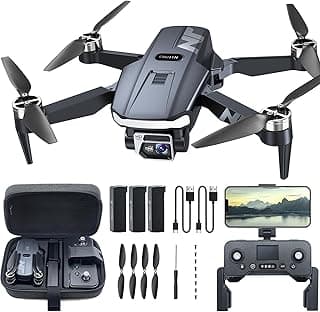
Someone who fits the description of what is someone that loves technology? will likely prioritize the synergy between software and hardware. They will want the best drones with long battery life that also feature intelligent flight modes. If the drone can stay in the air for 40 minutes, but the transmission signal drops out at 500 meters, the battery life is effectively wasted. For this user, look for a best aerial photography drone that integrates OcuSync or similar long-range transmission protocols alongside high-endurance power cells.
Physical Accessibility for the Elderly
When gifting to the elderly or those with limited manual dexterity, the "hidden" engineering of the battery matters. Look for "Intelligent Flight Batteries" that feature a proprietary enclosure and a simple click-in mechanism. Traditional LiPo batteries used in DIY drones require manual balance charging and can be fire hazards if mishandled. High-end consumer drones use modular systems that manage their own voltage levels during storage, which is vital for long-term safety and durability.
Technical Comparison: Battery Chemistry and Propulsion
To help you distinguish between a toy and a high-performance tool, the following table compares the typical variables found in modern drone power systems. Note that brushless motors are the gold standard for longevity and efficiency.
| Feature | Entry-Level (Toy) | Mid-Range (Enthusiast) | High-End (Professional) |
|---|---|---|---|
| Battery Chemistry | Standard LiPo | High-Density Li-ion | Li-ion / Solid State (Experimental) |
| Motor Type | Brushed (High friction) | Brushless (High efficiency) | Brushless (Optimized windings) |
| Avg. Flight Time | 8 - 12 Minutes | 25 - 31 Minutes | 38 - 47 Minutes |
| Charging Intelligence | None (External) | Basic (Auto-discharge) | Advanced (Cell balancing/BMS) |
The Buy It For Life (BIFL) Philosophy: Avoiding E-Waste
A significant issue with the best drones with long battery life is the inevitable chemical degradation of the cells. A Lithium battery typically begins to lose significant capacity after 200 to 300 charge cycles. As a gifting strategist, I recommend looking for brands that offer modularity. If the battery is built-in and non-replaceable, the entire drone becomes a paperweight once the battery fails. Always choose a system where batteries can be easily purchased as independent third-party replacements or official spares.
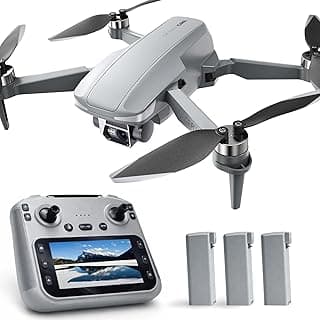
Furthermore, consider the "Hidden Costs of Operation." A single high-end drone battery can cost upwards of $150. When gifts for my best friend involve high-tech drones, gifting a "Fly More Combo"—which includes three batteries and a multi-port charging hub—is far more practical than gifting a single-battery unit. This ensures the recipient spends more time in the air and less time tethered to a wall outlet.
Environmental and Regulatory Considerations
Long-endurance drones often carry larger batteries that generate more heat. Professional-grade drones feature active cooling (internal fans), whereas budget models rely on passive airflow. In hot climates, a budget drone might hit a thermal ceiling and force a landing long before the battery is depleted. This is why a best 4k drone with a robust thermal management system is a mandatory requirement for anyone living in tropical or desert environments.
Safety and endurance are two sides of the same coin; a drone that can stay in the air longer provides the pilot with the most valuable resource of all: time to react.
Final Gifting Considerations
Before finalizing your purchase, verify the availability of firmware updates. A drone is only as good as its software's ability to manage power. Modern flight controllers use complex algorithms to calculate wind speed and the power required to return to the home point safely. Without a reliable software ecosystem, the hardware's battery capacity is a secondary concern. If you are looking for more diverse options, you might explore the best gift ideas for teens who might prefer smaller, more agile drones, even if it means sacrificing 10 minutes of flight time for increased maneuverability.
Frequently Asked Questions (FAQ)
Can I extend a drone's battery life with larger propellers?
No, increasing propeller size without recalibrating the motor's KV rating and the Electronic Speed Controller (ESC) will likely cause the motors to overheat and draw more current, actually decreasing flight time. The most effective way to maximize endurance is to reduce payload weight (e.g., removing prop guards or secondary cameras).
What is the safest way to store drone batteries when not in use?
Store batteries at approximately 40% to 60% charge in a cool, dry place. Storing a battery at 100% or 0% for extended periods leads to permanent cell swelling and capacity loss. Most intelligent flight batteries will automatically discharge to a safe storage level after a few days of inactivity.
Does flying in cold weather affect flight time?
Yes, significantly. Cold temperatures slow down the chemical reactions inside the battery, leading to a sudden voltage drop. In sub-freezing conditions, a 30-minute battery may only provide 15 minutes of safe flight. It is recommended to pre-warm batteries in a pocket or insulated bag before takeoff.
Is it worth buying "extended" batteries from third-party sellers?
Generally, no. Third-party batteries often lack the integrated Battery Management System (BMS) found in official units, which can lead to inaccurate flight time reporting and potential mid-air power failures. Stick to official manufacturer-certified cells for expensive aerial equipment.