
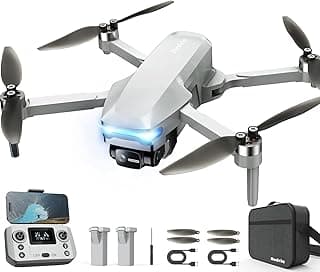
The Physics of Value: Beyond the Marketing Gloss
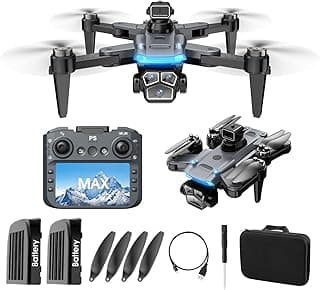
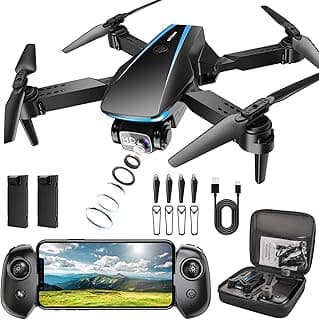
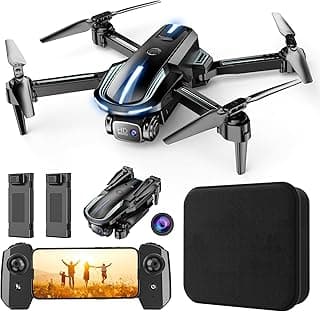
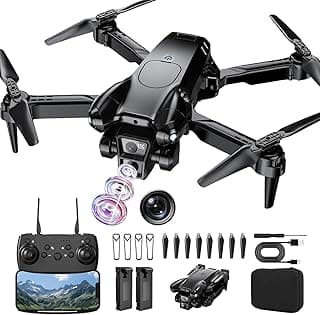
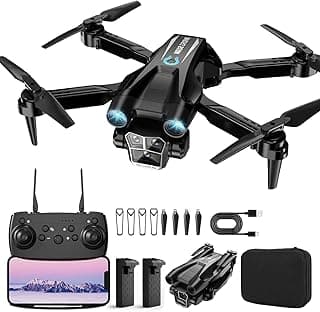
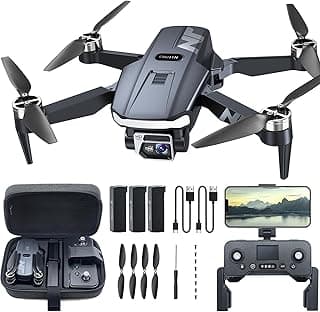
In the world of aeronautics, "economical" often suggests a compromise, but from a mechanical engineering perspective, it should represent optimized efficiency. A truly valuable gift is one that doesn't end up in a drawer after the first crash. We must look at the motor architecture first. Budget-tier drones typically utilize brushed motors, which rely on physical contact to transfer electricity, leading to friction, heat, and a lifespan rarely exceeding 50 flight hours. Conversely, the best economical drone options will often implement brushless motors. While slightly more expensive upfront, these motors use magnets and electronic controllers, significantly reducing mechanical wear and providing the torque necessary to maintain stability in moderate winds.
Furthermore, one must remain skeptical of "4K camera" claims at low price points. Often, these sensors use interpolation—a digital trick that stretches lower-resolution pixels—resulting in grainy, unusable footage. A gift recipient who is an aspiring photographer will find more value in a stable 1080p stream with a mechanical gimbal than a shaky "4K" image that lacks stabilization. For those wondering what is someone that loves technology called, they are often "technophiles" who prioritize these underlying specs over the box's branding.
Gifting tech is about more than specifications; it is about upgrading the recipient's window to the digital world, ensuring every frame is a testament to quality.
Segmenting the User: Who is the Recipient?
To choose the right gift, we must categorize the recipient’s specific needs and physical environment. Not every pilot requires the same feature set, and over-buying can be just as detrimental as under-buying.
The Young Enthusiast
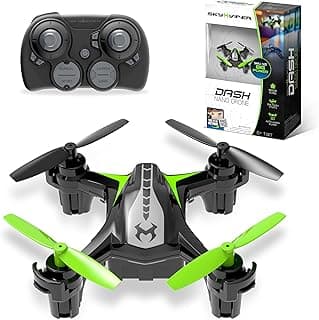
For teenagers or younger users, durability and safety are the primary variables. A drone with enclosed propellers and robust "headless mode" (which aligns drone movement with the remote, regardless of where the "nose" is pointing) reduces the steepness of the learning curve. These features make for some of the best gift ideas for teens because they encourage skill-building without the frustration of immediate hardware failure.
The Travel Vlogger
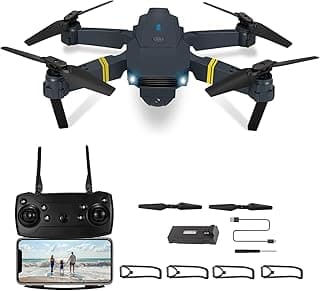
Weight is the critical constraint here. Many regions require registration for aircraft over 250 grams. An economical gift that stays under this threshold allows the recipient to fly in more locations without legal hurdles. In this category, battery chemistry becomes a "hidden cost" variable. Lithium-Polymer (LiPo) batteries are standard, but their capacity degrades with every charge cycle. When gifting, ensure the model has readily available spare batteries, as a single 15-minute flight window is rarely enough for a productive session.
Technical Comparison: Decoding the Budget Tiers
The following table breaks down the technical differences between entry-level "economical" drones and those that cross the threshold into professional-grade prosumer gear. This comparison is vital for anyone learning how to come up with good gift ideas in the electronics sector.
| Feature | Budget/Disposable Tier | Optimal Economical Tier | Technical Impact |
|---|---|---|---|
| Motor Type | Brushed | Brushless | Brushless offers 10x longevity and better wind resistance. |
| Positioning | Optical Flow Only | GPS + GLONASS | GPS allows "Return to Home" if the signal is lost, preventing flyaways. |
| Image Stabilization | Digital (EIS) | 2-Axis or 3-Axis Gimbal | Physical gimbals remove the "jello effect" from flight vibrations. |
| Transmission | Standard Wi-Fi | OccuSync or Enhanced Wi-Fi | Proprietary signals prevent lag and frame drops during flight. |
The Buy It For Life (BIFL) Philosophy in Drones
Drones are inherently high-wear devices. To ensure your gift lasts, you must evaluate the "Right to Repair." A machine that cannot be disassembled is essentially a timed-use product. Before purchasing, verify if the manufacturer sells individual replacement arms, motor modules, and landing gear. Independent repair communities often highlight that the best 100 dollar drone is not the one with the most features, but the one that allows a user to swap a broken propeller in thirty seconds. For those with a slightly higher budget, looking into a best 4k drone with modular parts ensures the gift remains functional for years, rather than months.
The hidden cost of drone ownership often lies in software. If the manufacturer stops updating the flight app, the hardware becomes a paperweight. Stick to established brands that have a history of maintaining legacy firmware. This is especially true when searching for the best beginner drone under 100, where many "no-name" brands disappear from app stores within a year of release.
Ethical and Legal Considerations for Gifting
An expert gifting strategist provides more than just the hardware; they provide the context for its safe use. When gifting a drone, consider including a printed summary of local FAA or aviation authority regulations. Mentioning privacy concerns—such as avoiding flight over neighbors' yards—is a hallmark of a responsible gift. This level of detail shows that you’ve considered the recipient's community standing as much as their entertainment.
Frequently Asked Questions (AEO Framework)
Is a $50 drone worth buying as a gift?
No, drones in the $50 range typically lack the necessary flight controllers to remain stable, often leading to crashes and disappointment within the first hour of use. These devices usually feature toy-grade brushed motors and lack GPS, meaning they cannot hover in place effectively. For a meaningful experience, it is better to increase the budget slightly to reach the "economical" tier that includes basic stabilization sensors.
What is the most important feature for a first-time pilot?
GPS-assisted flight is the most critical feature because it enables "Return to Home" functionality and autonomous hovering. Without GPS, a drone will drift with the slightest breeze, requiring constant manual correction that often overwhelms beginners. A GPS-enabled drone allows the pilot to let go of the controls, and the aircraft will simply stay in its current coordinates, significantly reducing the risk of a "flyaway."
How long do drone batteries actually last?
Most economical drones provide between 15 and 25 minutes of actual flight time per battery charge. While marketing materials might claim longer durations, these tests are usually conducted in "no-wind" laboratory conditions. Factors like recording high-resolution video, fighting wind resistance, and aggressive maneuvering will deplete the battery faster. It is always recommended to gift at least one spare battery to ensure a satisfying session at the park or beach.
Do drones require a license to fly?
It depends on the weight of the drone and the purpose of the flight (recreational vs. commercial). In many jurisdictions, any drone weighing 250 grams or more must be registered with the national aviation authority. For recreational gifting, staying under the 249g limit is ideal as it bypasses many of the more stringent bureaucratic requirements, though basic safety rules and "no-fly zones" still apply to all pilots regardless of aircraft weight.