




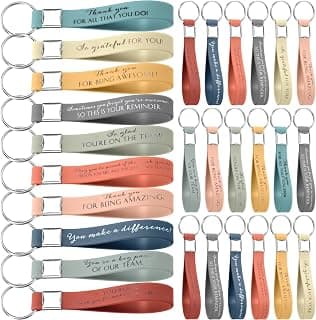

The Psychological Foundations of Employee Recognition
Behavioral science suggests that professional motivation is rarely sustained by financial compensation alone. While salary is a baseline requirement, the introduction of tangible gifts triggers the reciprocity effect. This psychological phenomenon occurs when a recipient feels a natural inclination to return the value provided to them, often through increased engagement or loyalty. However, the efficacy of this exchange depends heavily on the perceived effort behind the selection. A generic gift can inadvertently signal that the management lacks awareness of the employee's unique role or personal interests.
The most effective gifts in a professional setting act as a bridge between organizational goals and individual identity, transforming a simple transaction into a meaningful milestone.
To understand the impact of various gifting strategies, it is essential to categorize the objectives of the gesture. For instance, selecting best gift ideas for coworkers requires a different psychological approach than rewarding a senior executive. The former focuses on lateral social bonding, while the latter emphasizes vertical professional validation. By aligning the gift with the specific social hierarchy and occasion, a manager can ensure the message remains clear and authoritative.
Analyzing the Impact: Material Utility vs. Emotional Resonance
The debate between practical utility and emotional value is central to the gifting process. Within communities like Reddit’s professional and practical living groups, there is a strong consensus that the "best" gift is one that addresses a specific need while acknowledging the recipient's personhood. A gift that is purely functional may be appreciated, but a gift that carries emotional weight creates a lasting memory of the achievement being recognized.
| Gifting Variable | Material Utility Approach | Emotional Resonance Approach |
|---|---|---|
| Primary Focus | Solving a practical problem or providing a physical tool. | Validating the employee's hard work and personal character. |
| Longevity | Measured by the lifespan of the physical object. | Measured by the duration of the positive professional memory. |
| Relationship Impact | Strengthens the functional bond between employer and staff. | Deepens the psychological contract and organizational loyalty. |
| Risk Factor | Potential for the item to become redundant or unwanted. | Requires deep knowledge of the recipient to avoid misinterpretation. |
When considering what gifts do employees really want, the answer often lies in the intersection of these two variables. For example, providing high-quality tools that improve the daily work experience can be both material and emotional. If an employee is consistently working in high-decibel environments, gifting the best active noise cancelling headphones demonstrates that the company cares about their health and focus. This is a practical solution that also conveys an empathetic message about their working conditions.
Strategic Categories for Workplace Gifting
Professional gifting should be categorized based on the specific context of the recognition. Identifying the correct category prevents the gift from feeling out of place or disproportionate to the event. For organizations looking to integrate these practices, understanding what is a good corporate swag gift is a foundational step. Swag should never be perceived as "clutter"; instead, it should represent high-quality items that employees would actually choose to use in their private lives.
1. Productivity and Comfort Enhancements
In the era of flexible work arrangements, gifts that facilitate a professional and ergonomic home office are highly valued. These items serve as daily reminders of the company's support for the employee's well-being. A high-resolution best monitor for working from home or a premium ergonomic chair are examples of gifts that directly contribute to the individual's long-term health and efficiency. These are not merely expenses but investments in the employee's physical workspace.
2. Professional Style and Heritage
For milestones such as promotions or work anniversaries, gifts that reflect professional status are appropriate. These items often possess a sense of "heritage" or "prestige." Choosing a best brand for mens bags or a high-end writing instrument communicates that the recipient is a valued member of the professional elite within the firm. These gifts are symbols of progress and maturation within the corporate structure.
A gift that enhances an employee's professional persona often results in a corresponding increase in their internal perception of responsibility and leadership.
The Significance of Relationship Status in Gifting
The closeness of the relationship between the giver and the recipient dictates the level of personalization required. In larger organizations where a manager might not have a close personal bond with every staff member, standardizing certain quality benchmarks is crucial. In these scenarios, a gift such as the best augmented reality glasses for a tech-focused team shows an alignment with team interests without requiring intimate personal knowledge. Conversely, for close-knit teams, a more personalized touch is expected to avoid the appearance of cold, corporate formality.
When dealing with external stakeholders, the logic shifts again. Knowing what is a nice client gift is essential for maintaining business continuity. Unlike employee gifts, client gifts must balance gratitude with professional boundaries, ensuring the gesture is seen as a mark of respect rather than an attempt to influence decision-making inappropriately.
Frequently Asked Questions (FAQ)
Is cash better than a physical gift for employees?
No, cash is generally not considered superior to a well-chosen physical gift for long-term recognition purposes. While cash provides the highest level of liquidity, it is often perceived as a part of compensation rather than a distinct act of recognition, which leads to it being spent on mundane expenses and quickly forgotten. In contrast, a physical gift occupies a space in the recipient's life and acts as a persistent psychological anchor for the positive event it represents.
Should employee gifts be the same for everyone in the company?
Yes and no; a tiered approach is the most effective strategy. While baseline rewards for general company-wide milestones should be standardized to ensure fairness, individual achievements or tenure milestones should be personalized or categorized by department. This maintains a sense of equity across the organization while still allowing for the specific recognition of unique contributions that drive the company forward.
Can a gift ever damage an employee-employer relationship?
Yes, a gift can damage a relationship if it is perceived as insensitive, cheap, or a substitute for deserved compensation. If an employee has performed at an exceptional level and receives a gift that appears to be "clearance" inventory or lacks quality, it can result in the "insult effect." This occurs when the recipient interprets the low value of the gift as the company's actual estimation of their worth, leading to decreased morale and potential resentment.
Ultimately, selecting the best employee gifts requires a blend of psychological insight and strategic planning. By moving beyond the material cost and focusing on the message of validation and respect, organizations can use gifting as a powerful tool to build a more dedicated, engaged, and professional workforce.








