
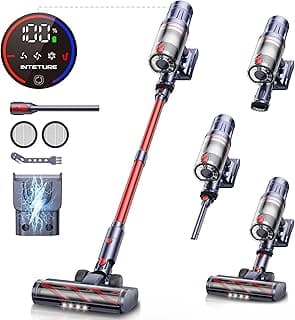
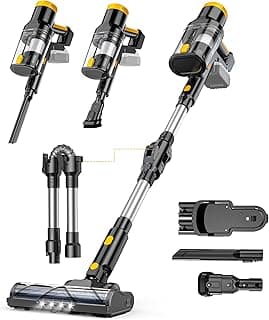
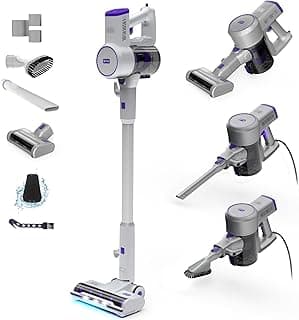
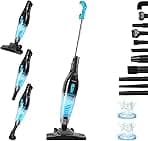
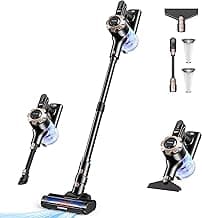
Suction vs Agitation: Understanding What Hardwood Actually Needs
Hardwood cleaning succeeds through suction and airflow, not mechanical agitation. Debris sits on surfaces rather than embedding in fibers, so powerful airflow alone accomplishes thorough cleaning. This fundamental difference explains why what is the best vacuum for wood floors rarely overlaps with carpet-focused recommendations.
Sealed suction channels matter more than motor wattage marketing. Efficient airflow design extracts more debris with less power consumption. Premium hardwood vacuums optimize air channels specifically for hard surface debris pickup—different physics than carpet extraction.
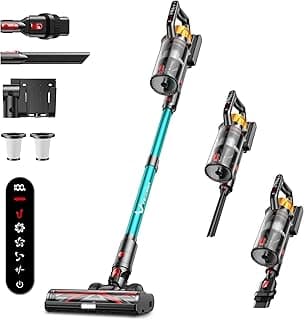
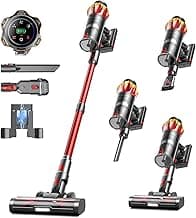
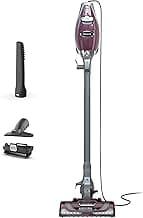
Crevice tools and dusting brushes become essential rather than optional. Baseboards, corners, and edge transitions collect debris that suction alone misses. The best floor vacuum systems include dedicated hard-floor attachments that address these areas without requiring separate tools or cleaning sessions.
Who Benefits Most From Hardwood-Specific Vacuum Investment
Recent floor refinishing recipients: Someone who's just spent $3-8 per square foot refinishing floors deserves equipment that won't undo that investment. Gifting proper cleaning tools within months of completion shows awareness beyond the initial renovation excitement. This timing matters—it's support rather than criticism.
Minimalist home aesthetics enthusiasts: People who've chosen hardwood specifically for visual clarity and light reflection notice equipment that maintains those qualities. Vacuums that preserve floor shine rather than gradually dulling it align with their entire home philosophy. For those exploring gifts for people who already own quality items, tools that protect existing investments resonate deeply.
Multi-generational home inheritors: Original hardwood floors in family homes represent heritage, not just surfaces. Proper care equipment becomes symbolic—you're helping preserve family history, not just clean floors. This emotional weight transforms practical gifts into meaningful gestures.
High-traffic household managers: Families with kids, pets, or frequent entertaining face constant debris challenges. Equipment that handles volume without compromising floor integrity solves daily friction points. For parents managing chaos, this becomes infrastructure that simplifies rather than complicates daily life.
Weight Distribution: The Overlooked Factor in Floor Protection
Vacuum weight concentrates through wheel contact points. Heavy machines with narrow wheels create high pressure-per-square-inch loads that press debris into floors rather than collecting it. This pressure drives sand particles and grit across finishes, acting like sandpaper with every push stroke.
Lighter machines with wide, soft wheels distribute load across larger surface areas. Lower pressure means less debris embedding and reduced scratch risk. The physics matter: a 12-pound vacuum with wide rubber wheels protects floors better than an 18-pound unit with narrow hard-plastic wheels.
Swivel steering and low-profile designs minimize the push force required, reducing lateral pressure that drags particles across surfaces. Effortless maneuverability isn't about user convenience alone—it's about applying minimum force necessary for thorough cleaning. Less force equals less wear over thousands of cleaning sessions.
The Soft Roller Innovation That Changed Hardwood Cleaning
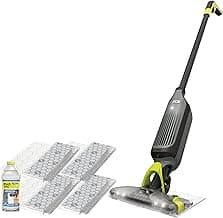
Soft roller technology replaces traditional brush rolls with felted cylinders that simultaneously sweep and lift debris. These rollers contact floors gently while creating powerful suction channels. The innovation addresses hardwood's fundamental cleaning challenge: removing debris without abrasion.
Roller materials matter significantly. Quality felted rollers maintain structure through hundreds of cleaning cycles. Cheap foam alternatives deteriorate quickly, losing effectiveness and shedding particles that create new cleaning problems. Replacement roller availability and cost should influence gift selection—ongoing maintenance determines long-term value.
The best hardwood vacuum isn't about maximum power—it's about appropriate power applied safely and effectively.
Self-standing designs eliminate the "lean it against the wall and hope it doesn't fall" problem that creates dents and scuffs. Integrated parking positions keep equipment upright and stable during cleaning interruptions. For recipients in homes with custom millwork or finished walls, this detail prevents peripheral damage from cleaning equipment itself.
Specialized Attachments That Complete Hardwood Care Systems
Dusting brushes with soft bristles address baseboards and trim without scratching painted surfaces. These attachments extend vacuum utility beyond floor surfaces to complete room cleaning without switching tools. For recipients who appreciate efficiency, consolidated cleaning systems save time and effort.
Crevice tools reach floor-to-wall transitions where debris accumulates despite regular sweeping. Angled designs access corners and beneath furniture edges that remain perpetually dusty with standard cleaning approaches. Hardwood rooms with minimal furniture highlight these edge accumulations—proper tools address them effectively.
Upholstery attachments matter in hardwood homes where area rugs require periodic deep cleaning. Multi-tool systems prevent needing separate carpet cleaners for accent rugs. This versatility suits recipients who've chosen mostly-hardwood aesthetics with strategic soft surface placement.
Corded vs Cordless: Matching Power Source to Cleaning Patterns
Cordless convenience suits hardwood environments especially well. Without carpet agitation demands, battery-powered suction maintains effectiveness through entire cleaning sessions. Runtime of 45-60 minutes handles most residential hardwood cleaning needs completely.
Quick-charge capabilities between levels or rooms suit multi-story homes. Modern battery technology supports rapid top-ups during cleaning interruptions. For recipients who clean in segments rather than marathon sessions, cordless flexibility matches actual usage patterns better than corded restriction.
Corded models maintain consistent performance without battery degradation concerns. Maximum suction never varies, and no runtime anxiety interrupts cleaning flow. For recipients who prefer completing entire homes in single sessions, unlimited runtime eliminates the "will I finish before battery dies" calculation.
Power-to-weight ratios favor cordless designs. Eliminating cord weight and drag makes already-light hardwood vacuums even more maneuverable. Reduced physical effort encourages more frequent cleaning, which actually protects floors better than periodic deep-cleaning marathons that allow grit accumulation between sessions.
When Multi-Surface Claims Actually Deliver (And When They Don't)
"Works on all floors" marketing often means "adequate everywhere, excellent nowhere." True multi-surface effectiveness requires different operational modes for different surfaces—not just adjustable height, but fundamentally different cleaning approaches.
What actually works: Vacuum systems with distinct hard-floor and carpet modes that change brush engagement, suction characteristics, and airflow patterns. These allow genuine optimization per surface type.
What disappoints: Single-mode systems with height adjustment only. These physically reach different surfaces but don't adapt cleaning methodology. Results skew toward either carpet or hardwood, rarely both.
For gift recipients in homes with mixed flooring, verify genuine multi-surface engineering rather than accepting marketing claims. The difference between adequate and exceptional becomes obvious after months of use across different surfaces. Gifting equipment that truly excels everywhere demonstrates research beyond surface-level selection.
Filtration Considerations for Hardwood-Dominant Homes
Hardwood homes generate different debris profiles than carpeted spaces. Less fabric fiber and dust mite accumulation, more pet hair (if applicable), food particles, and tracked-in outdoor materials. Standard filtration handles this effectively—HEPA overkill isn't necessary unless specific allergy concerns exist.
Washable filters suit hardwood cleaning well. The debris collected doesn't include the biological allergens that make HEPA necessary in carpeted environments. Reusable filters eliminate ongoing costs while maintaining effective debris capture. For recipients conscious of environmental waste or subscription-style expenses, washable systems align with values beyond just cleaning effectiveness.
Dust cup visibility matters more in hardwood cleaning. Seeing accumulated debris provides immediate feedback on cleaning effectiveness and timing for emptying. Clear containers suit the visual-feedback preference common among people who've chosen hardwood specifically for aesthetic clarity. If considering complementary wellness gifts, explore how HEPA filtration systems address air quality concerns that might coexist with floor care needs.
The Sound Argument: Noise Levels in Open-Plan Hardwood Spaces
Hardwood homes often feature open floor plans that amplify sound. Vacuum noise in these environments reverberates differently than in carpeted, acoustically-dampened spaces. Quiet operation becomes comfort rather than luxury.
Decibel ratings below 70 dB allow conversation during cleaning. This matters for households where cleaning happens during active family time rather than isolated to "everyone's gone" windows. For recipients with young children, phone work commitments, or noise-sensitive household members, quiet equipment prevents cleaning from feeling disruptive.
Motor isolation and sound-dampening materials distinguish premium quiet models from standard equipment. Marketing claims require verification through actual user experience reports—manufacturer specifications sometimes measure best-case scenarios rather than typical operating noise.
Timing Your Gift: When Hardwood Vacuum Needs Peak
Post-renovation or new home purchases create immediate need. Recent hardwood installation or refinishing means recipients are hyperaware of protecting new surfaces. Gifting proper cleaning equipment during this heightened sensitivity period demonstrates perfect timing awareness.
Spring cleaning season when winter grit has accumulated stresses existing inadequate equipment. Upgrading to proper hardwood cleaning tools during annual deep-clean periods provides immediate gratification and validates concerns about current cleaning effectiveness.
Housewarming gifts for hardwood-featured homes make logical sense. New occupants often transfer existing equipment that doesn't suit their new floor surfaces. Addressing this transition proactively shows you've noticed details about their new environment beyond just square footage and location. This pairs well with other meaningful birthday gifts timed to life transitions rather than just calendar dates.
The difference between maintaining and degrading hardwood comes down to using tools designed for the job rather than making do with what you have.
What Professional Floor Refinishers Actually Recommend
Floor installation specialists consistently advise against carpet vacuums on hardwood—the single most common homeowner mistake they observe. Professional recommendations focus on brush roll control, wheel design, and appropriate suction rather than maximum power specifications.
Refinishing contractors often suggest specific models that won't void finish warranties. Some polyurethane and specialty finishes include care requirements that standard vacuums violate. Verifying warranty-compliant cleaning equipment protects both the floor investment and any coverage terms.
Professional cleaning services use commercial-grade equipment designed specifically for hard surfaces. While residential models differ in capacity and features, the underlying design principles remain consistent: controlled contact, appropriate suction, and protective wheel design. Consumer versions adapting these professional insights deliver better results than carpet-focused alternatives.
The Hidden Cost of Wrong Equipment: Refinishing Prevention Value
Hardwood refinishing costs $3-8 per square foot depending on condition and regional labor rates. A 1,500 square foot home faces $4,500-12,000 refinishing expense when accumulated damage requires addressing. Proper cleaning equipment delays this expense by years or even decades.
Calculating vacuum cost against postponed refinishing expense frames the investment differently. A $400 hardwood-safe vacuum that extends refinishing intervals from 8 years to 15+ years saves thousands in avoided floor restoration costs. This amortization makes premium equipment remarkably cost-effective.
For gift-giving purposes, this prevention value distinguishes thoughtful from generic presents. You're not just offering cleaning convenience; you're protecting against future major expense. This foresight especially resonates when gifting someone who values practical long-term benefits over immediate gratification purchases.
Storage Integration: Where Hardwood-Safe Vacuums Live
Hardwood-focused homes often feature minimalist aesthetics that make bulky vacuum storage problematic. Slim-profile designs and wall-mounting options suit these environments better than traditional closet-filling uprights. Gift selection should consider recipient storage realities, not just cleaning performance.
Self-contained storage for attachments prevents the "tools scattered across multiple locations" problem. Integrated accessory parking keeps systems together and accessible. For recipients who abandon tools they can't quickly locate, consolidated storage directly impacts actual usage frequency.
Aesthetic considerations matter more in hardwood homes where equipment might remain visible. Finish options and design cohesion with home style suit recipients who've invested in interior design consistency. This attention to visual integration distinguishes premium gifts from purely functional selections.
Reading Between Review Lines: What Actually Matters
User reviews mentioning "no scratches after six months" carry more weight than initial impression enthusiasm. Long-term floor protection confirmation validates design claims that short-term testing can't verify. Look for review patterns across time, not just immediate satisfaction ratings.
Complaints about wheel quality or brush roll failures indicate potential floor damage risks. These mechanical failures often manifest as increased contact pressure or stuck bristles that gouge surfaces. Consistent reliability reports matter more than peak performance claims.
Verification of multi-surface claims requires reading actual hardwood-specific user experiences. Many reviews come from carpet-dominant homes where hardwood performance receives minimal testing. Filter reviews to focus on primary hardwood users for relevant performance insights.
The Gift Presentation: Making Practical Equipment Feel Special
Include floor care guidance specific to recipient's wood type (oak, maple, bamboo, exotic species). This context personalizes an otherwise generic appliance gift. It demonstrates you've researched beyond product specifications into their specific home characteristics.
Pair with premium microfiber mops or floor care products designed for their specific finish type. Creating a complete floor care system feels more thoughtful than single-item gifting. The coordination shows planning and consideration of their total maintenance needs.
Schedule a demonstration or offer to help with initial use. New vacuum technology sometimes intimidates recipients unfamiliar with features beyond basic on/off operation. Initial guidance ensures they actually use sophisticated features rather than defaulting to simple modes that might not protect floors optimally.
For major gift occasions like Mother's Day where symbolism matters, frame the gift around "protecting what you've built" or "caring for your space as it cares for you." This narrative transforms utilitarian equipment into meaningful gesture about valuing their home investment.
Final Reality Check: When Hardwood-Specific Isn't Necessary
Homes with predominantly carpet and minimal hardwood don't justify hardwood-specific equipment. The specialized features sit unused while carpet performance potentially suffers from hard-floor optimizations. Match specialization to actual floor coverage ratios.
Rental properties or temporary living situations might not warrant investment-grade equipment. If recipients plan to move within 1-2 years to unknown floor types, multi-surface versatility beats hardwood specialization. Gift selection should match lifestyle stability and long-term home plans.
Budget constraints might favor quality multi-surface options over specialized hardwood models. Sometimes broad competence serves recipients better than narrow excellence, especially when cleaning needs span multiple surface types roughly equally. Honest assessment of priorities prevents gifting specialized tools that create new problems while solving specific ones.
For recipients maintaining rental properties or secondary spaces, practical general-purpose vacuum cleaners might serve better than specialized hardwood equipment. Context determines appropriate specialization level—understanding recipient's complete cleaning ecosystem informs better gift decisions.
The Lasting Impact of Proper Floor Care Tools
Years after receiving proper hardwood cleaning equipment, recipients notice preserved floor beauty that neighbors' homes lack. The difference compounds gradually—maintained floors retain character and value while improperly cared floors show premature aging.
This delayed gratification makes hardwood vacuums exceptional gifts for people you know well enough to understand their home values. You're providing infrastructure that prevents degradation rather than adding consumption items. The gift keeps giving through preserved investment value and avoided restoration costs.
Equipment that integrates seamlessly into cleaning routines gets used consistently. Easy operation and appropriate storage encourage regular maintenance that actually protects floors. Thoughtful selection based on recipient habits and home layout directly impacts whether your gift becomes valued tool or closet occupant.
Gifts are for making an impression, not just for the sake of it.
GiftsPick - Meticulous, Kind, Objective.