
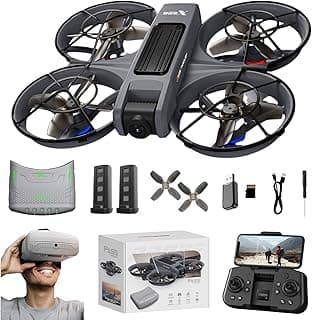
The Technical Anatomy of an FPV Gift
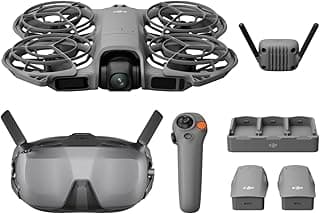
To an engineer, an FPV kit is a complex ecosystem of radio frequencies, power-to-weight ratios, and low-latency data transmission. Unlike "closed" consumer ecosystems, the FPV world is largely built on open-source firmware like Betaflight and hardware standards that allow for total customization. When selecting a kit as a gift, one must look past the aesthetic shell and evaluate the quality of the "link"—the connection between the remote, the drone, and the goggles.
Gifting tech is about more than specifications; it is about upgrading the recipient's window to the digital world, ensuring every frame is a testament to quality.
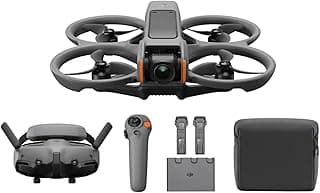
The transmission protocol is the most critical variable. Analog systems remain popular for their near-zero latency and affordability, making them excellent best gift ideas for teens who may crash frequently during the learning process. Digital systems, however, provide a high-definition image that mimics the clarity of a modern video game, though they come at a significantly higher price point and increased weight.
Transmission Systems: A Comparative Overview
Choosing between analog and digital is the first major hurdle for anyone researching how to come up with good gift ideas in the drone space. The following table breaks down the technical differences that affect the flying experience.
| Technical Variable | Analog Systems | Digital Systems | Impact on Pilot |
|---|---|---|---|
| Signal Latency | Ultra-low (15-25ms) | Variable (28-40ms) | Analog feels more "connected" for racing. |
| Image Resolution | Low (SD/NTSC) | High (720p/1080p) | Digital is far superior for immersion. |
| Signal Degradation | Static/Snowfall | Pixelation/Freeze | Analog allows pilots to "fly through" static. |
| Initial Cost | Budget-friendly | Premium investment | Digital requires a larger upfront commitment. |
User Empathy: Matching the Kit to the Pilot
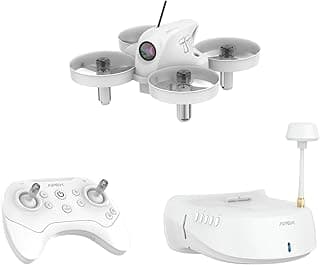
An elite gifting strategist understands that a "best" product does not exist in a vacuum; it must match the physical and cognitive requirements of the recipient. For best fpv drone kit with goggles candidates, we must consider three distinct user personas:
The Indoor Navigator (Tiny Whoop Enthusiast)
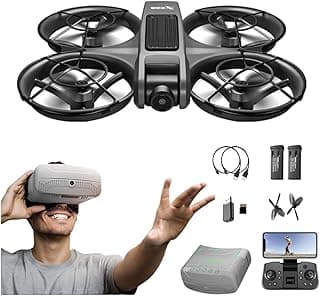
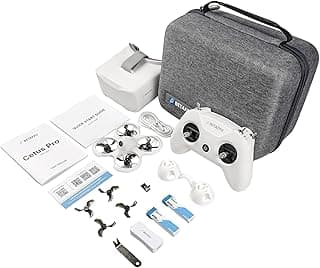
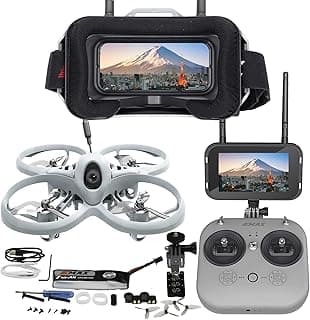
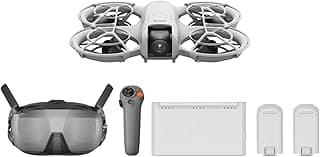
Small, duct-protected drones are ideal for those living in apartments or urban environments. These "Tiny Whoops" are incredibly lightweight, making them safe for indoor flight. This is an excellent choice for gifts for my best friend who wants a stress-free entry into the hobby without needing a massive field to practice.
The Aspiring Cinematic Pilot
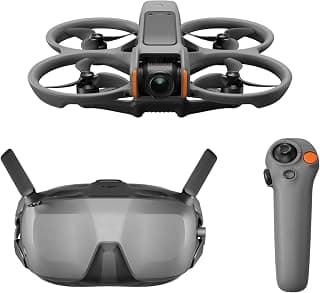
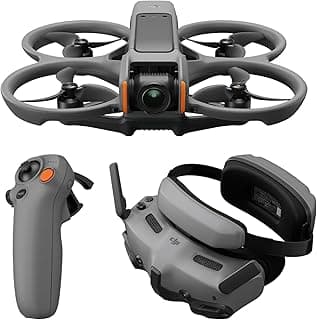
These users want more than just flight; they want to capture high-speed, stabilized footage. For this persona, a kit that supports the addition of a GoPro or features a high-quality onboard best 4k drone camera is essential. These machines are heavier and more dangerous, requiring a dedicated outdoor space.
The "Build It For Life" Engineer
Some users enjoy the bench work as much as the flight. For them, a modular kit that can be easily disassembled and repaired is the only logical choice. Avoid "integrated" plastic drones that cannot be repaired once a motor arm breaks. Instead, seek out carbon-fiber frames with standardized mounting holes for flight controllers and ESCs.
The Principle of BIFL: Repairability and Long-Term Value
The FPV hobby is defined by crashing. Therefore, the "hidden cost" of a drone kit is the price and availability of spare parts. A truly great gift is one that doesn't become a paperweight after the first collision. We advocate for a "modular" philosophy where every component—the motors, the camera, the receiver—can be replaced with third-party alternatives. This separates a toy from a best professional drone setup.
When assessing a kit, verify the following:
- Frame Durability: Is it 3mm or 5mm carbon fiber?
- Component Standards: Does it use a standard 20x20mm or 30.5x30.5mm stack mounting?
- Battery Chemistry: Does the kit use standard LiPo batteries with XT30 or XT60 connectors? Avoid proprietary battery "cartridges" which inflate costs and limit flight time.
Hidden Costs and Operational Realities
While the initial kit price might seem comprehensive, there are secondary investments required for safe operation. A high-quality balance charger is non-negotiable. LiPo batteries require meticulous care; they cannot be left fully charged or fully depleted for long periods without irreversible chemical degradation. Furthermore, a simulator license is perhaps the most valuable "accessory" you can include with the gift. Learning to fly in a virtual environment saves hundreds of dollars in real-world repair costs during the first week of ownership.
For those on a tighter budget, starting with a best 100 dollar drone is possible for basic flight, but the full FPV immersion with goggles usually begins at a higher price tier to ensure a safe and usable signal link.
Direct Answer Framework: FPV Gifting FAQ
Is it difficult to learn how to fly FPV?
Yes, FPV flight has a steep learning curve compared to GPS-stabilized drones because the pilot is in full manual control. Most new pilots require 10 to 20 hours in a software simulator before they can comfortably hover and navigate in the real world without crashing.
Can I use FPV goggles if I wear prescription glasses?
Yes, many high-quality FPV goggles either have enough internal space for glasses or support diopter inserts. Some premium goggles also feature adjustable focus knobs (diopters) ranging from -6.0 to +2.0, allowing users with moderate myopia to see the screens clearly without additional eyewear.
Are FPV drones legal to fly everywhere?
No, FPV flight is subject to strict local aviation regulations. In many regions, flying through goggles requires a "visual observer" (a second person) to keep eyes on the drone at all times. It is the pilot's responsibility to check local laws regarding weight limits and restricted airspaces before flying.
Which is better for a beginner: Analog or Digital?
Analog is generally better for beginners because it is more affordable and the latency is consistently low. While digital offers a beautiful image, the high cost of replacement parts after an inevitable crash can be discouraging for someone just starting their journey.
Conclusion: The Value of the Journey
Choosing the best fpv drone kit with goggles is an act of empowering someone to master a new skill. It is a gift that grows with the recipient, from their first shaky hover in the living room to high-speed acrobatic maneuvers through a forest canopy. By focusing on technical reliability, repairability, and the pilot's specific living conditions, you ensure that this complex piece of engineering provides years of exploration rather than a few moments of novelty.