


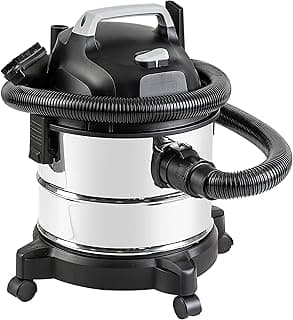
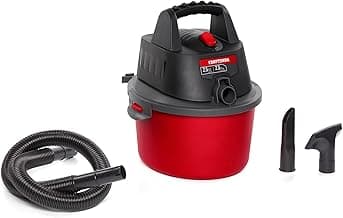

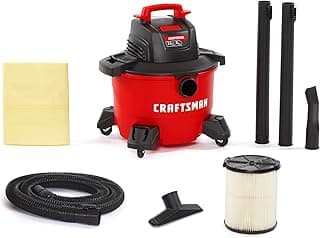
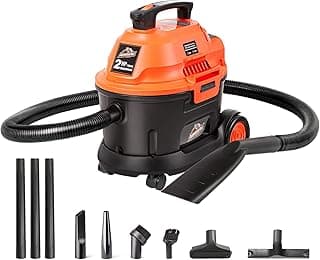

Why Garage Cleaning Differs From House Cleaning
Garages serve multiple incompatible purposes simultaneously—vehicle storage tracking outdoor contamination inside daily, workshop activities generating project-specific debris, general storage accumulating dust on rarely-accessed items, and family transition zone where shoes get removed and coats hung creating concentrated contamination from outdoor exposure condensed into single entry point versus distributed throughout house diluting impact across larger square footage absorbing problems garages concentrate unavoidably.
Temperature and humidity extremes stress equipment—unheated garages experiencing freezing winters and sweltering summers creating conditions plastic components and motors weren't designed tolerating. Electronics fail, batteries degrade faster, and materials become brittle or soften beyond design parameters when subjected to environmental stress manufacturer testing assumes climate-controlled operation rather than real-world garage exposure millions of homeowners actually face using equipment outside its intended comfort zone.
Mixed contamination types defeat single-purpose tools—motor oil from automotive work, sawdust from woodworking projects, road salt and ice melt tracked from driveway, garden soil from potting activities, and general household overflow storage dust creating debris diversity requiring versatile equipment versus specialized optimization serving single application inadequately addressing varied contamination reality actual multi-purpose garage use generates through accommodating family's complete range of activities and storage needs.
Space constraints prove non-negotiable—residential garages designed accommodating vehicles and basic storage rarely include cleaning equipment storage consideration. Every square foot consumed by shop vacuum represents space unavailable for vehicle, tools, or storage creating opportunity cost making compact efficient designs mandatory rather than optional convenience when physical space limitations force prioritization decisions about what deserves occupying precious garage real estate.
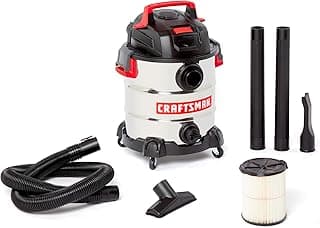
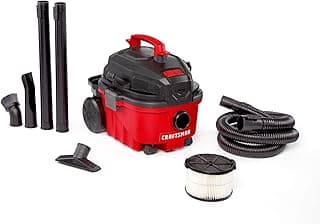
The best small shop vacuum acknowledges these constraints through engineering prioritizing space efficiency alongside performance—delivering adequate capability within physical footprint fitting garage reality rather than theoretical ideal workshop spaciousness most residential situations never provide despite manufacturers seemingly designing equipment assuming unlimited dedicated space users don't actually possess.
The Compact Versus Powerful Engineering Tension
Physics limits how much suction compact motors generate—smaller housings mean smaller motors producing less power regardless of engineering cleverness attempting optimization within size constraints. A 2-horsepower motor requires certain physical dimensions housing components generating that power, making claims about compact vacuums matching full-size shop vacuum capability proving physically impossible when miniaturization sacrifices actual motor size determining fundamental suction capability specifications can't overcome through marketing enthusiasm.
However, adequate proves sufficient for most garage applications—you're not running production workshop requiring industrial extraction but maintaining residential space where "good enough" cleaning enabling comfortable vehicle parking and acceptable project workspace suffices without perfection professional facilities might demand. The gap between adequate residential capability and ideal commercial performance proves vast, making 80% of professional capability at 40% of size and cost representing genuine value proposition for homeowners versus chasing impossible 100% in compact package physics prevents achieving.
Duty cycle limitations affect compact designs—small motors running continuously overheat when forced sustained operation commercial users demand but residential users rarely require. If your garage cleaning takes 15-20 minutes weekly, compact vacuum designed for this intermittent use pattern serves perfectly despite failing if operated continuously hours daily the way commercial facilities demand equipment performing. Understanding your actual use pattern versus theoretical maximum capability informs whether compact limitations matter or prove irrelevant for your specific application reality.
Tank capacity trades off against footprint—compact vacuums necessarily feature smaller debris collection versus full-size shop vacuums, requiring more frequent emptying during thorough cleaning sessions. However, most residential garage cleaning generates maybe 2-4 gallons of debris making 5-6 gallon compact tank adequate completing job in single session versus requiring mid-cleaning emptying that creates workflow interruption discouraging thorough maintenance when task becomes unnecessarily complicated through equipment inadequacy.
Who Benefits From Garage-Specific Compact Equipment
Single-car garage owners: Those with minimal space where vehicle barely fits alongside storage necessities, making compact equipment mandatory fitting available space rather than aspirational luxury. The physical constraint proves absolute—equipment not fitting available storage space proves useless regardless of capability when storage impossibility prevents ownership entirely making size trump performance in selection hierarchy contrary to spec-focused shopping most reviews emphasize.
Apartment/condo garage spaces: Assigned parking spots with minimal storage where full-size shop vacuum proves unrealistic but cleaning needs exist maintaining acceptable vehicle and storage conditions. These users often lack alternative storage for large equipment making ultra-compact designs with wall-mounting capability proving only viable solution versus accepting permanent dirt accumulation when equipment ownership proves physically impossible within space constraints assigned parking provides.
Multi-vehicle households sharing garage space: Families where two cars plus normal storage consumption leaves minimal free floor space making compact vacuum that stores on shelf or mounts to wall proving only practical option versus full-size shop vacuum competing with vehicles and storage for precious floor space creating zero-sum competition where vacuum loses because cars and storage prove more essential despite cleaning needs remaining genuine.
Those wanting vehicle-specific cleanup capability: Car enthusiasts maintaining interior cleanliness needing portable solution cleaning vehicles plus occasional garage floor maintenance. The compact size enables easy vehicle interior access through door openings plus adequate capability for garage maintenance creating versatile solution serving multiple cleaning needs with single piece of equipment rather than requiring separate car vacuum and garage vacuum consuming additional space and budget.
For those watching friends struggle with garage chaos or expressing frustration about cleaning challenges in limited spaces, understanding compact equipment enables functionality where full-size alternatives prove physically impossible demonstrates perceptive problem-solving. When considering practical gifts for men managing workshop spaces or thoughtful presents for women organizing family garages, equipment fitting actual space constraints proves more valuable than impressive specifications recipient can't deploy when storage impossibility prevents equipment ownership entirely.
Wet-Dry Capability: Essential for Garage Environments
Garages face liquid contamination inevitably—motor oil, antifreeze, snow/ice melt, paint spills, and water from wet weather or car washing creating wet mess alongside dry debris making wet-dry capability genuinely valuable rather than frivolous feature. The versatility handling both contamination types with single tool justifies investment versus dry-only designs requiring separate equipment addressing liquid problems when space constraints already make storing single vacuum challenging without adding second specialized unit.
Road salt and ice melt prove corrosive when wet—winter climates where vehicles track salt-laden slush into garage create acidic moisture damaging concrete and corroding metal if not cleaned promptly. Wet-dry vacuums enable immediate cleanup preventing damage versus waiting for complete drying before dry vacuum addresses only solid residue leaving corrosive liquid components attacking surfaces creating long-term deterioration inadequate immediate cleanup allows developing.
Automotive work generates both wet and dry contamination—oil changes, coolant flushes, brake fluid, transmission fluid plus associated dry debris like dirt from undercarriage work creating mixed contamination demanding equipment handling both types effectively. Attempting automotive maintenance in garage lacking wet pickup capability proves frustrating when spills require immediate attention but available equipment can't address liquid messes without damage or operational issues.
The best small wet dry vacuum balances wet capability with dry performance—some designs optimize wet pickup while compromising dry debris collection, others reverse priorities, and rare quality units deliver adequate performance in both applications without excessive optimization compromising versatility that garage environments specifically demand through varied contamination types single space encounters serving multiple incompatible purposes simultaneously.
Storage Solutions: Making Equipment Accessible
Wall-mounting proves ideal garage storage—utilizing vertical space rather than consuming floor area while keeping equipment accessible encouraging regular use versus buried in corner behind boxes requiring excavation before each use creating friction preventing consistent maintenance through inconvenient access. Quality wall-mounting systems include hose and attachment storage preventing loose accessories becoming lost or damaged scattered around garage creating incomplete system when components stay organized together.
However, wall-mounting requires suitable wall space—garages with vehicles, storage shelves, workbenches, and garage door mechanisms consuming wall space might lack appropriate mounting location for vacuum system. The theoretical elegance of wall storage proves irrelevant when physical reality provides no available wall area accommodating equipment without blocking vehicle doors, interfering with storage access, or occupying prime real estate better serving other essential functions competing for limited wall space.
Shelf storage suits some situations—compact vacuums small enough fitting garage shelving alongside other storage, though shelf depth requirements and weight considerations limit options. The vacuum must fit shelf dimensions while remaining accessible without requiring removing other items blocking access creating retrieval burden discouraging regular use when equipment access proves sufficiently annoying that cleaning gets perpetually deferred despite owned appropriate equipment sitting inches away behind obstacles making access feel like project.
Mobile carts create cleaning stations—wheeled platforms combining vacuum with accessories, cleaning supplies, and work surface creating self-contained system rolling to work location then storing compactly when not in use. However, this approach consumes floor space even when pushed against wall, requiring evaluation whether mobility convenience justifies footprint versus wall-mounted alternative occupying no floor space but proving less convenient accessing and deploying for actual use.
The Accessibility-Use Frequency Connection
Equipment accessibility directly determines cleaning frequency—vacuum stored conveniently gets used regularly maintaining cleanliness, while equipment requiring effort retrieving stays stored despite need because access friction exceeds motivation threshold required initiating cleaning task. This psychological barrier proves as important as equipment capability determining whether garage maintains acceptable cleanliness versus accumulating neglect when proper equipment exists but accessibility problems prevent consistent deployment.
Power Source Considerations for Garage Environments
Corded shop vacuums dominate garage applications—110V household power providing unlimited runtime and maximum suction without battery limitations or charging requirements. The garage outlet availability and typical cleaning session duration aligning well with corded equipment's unlimited operation versus battery anxiety cordless creates when charge status becomes concern affecting whether cleaning gets initiated or deferred until battery supposedly charges but actually never happens because remembering charging equipment between uses proves harder than people acknowledge when establishing habits.
However, cord management proves annoying in garage spaces—catching on vehicles, workbenches, stored items creating constant awareness requirement preventing workflow interruption from yanking equipment or running over cord with car. The mental burden managing cord throughout cleaning reduces enjoyment and increases likelihood of abandoning thorough cleaning accepting "good enough" when dealing with cord frustration outweighs motivation completing proper job.
Cordless models offer mobility freedom—cleaning vehicle interiors, reaching all garage corners, and operating without outlet constraint creating genuine convenience for applications where corded limitations prove particularly frustrating. However, compact cordless shop vacuums face severe battery capacity constraints—the power demands of wet-dry operation and strong suction exhausting battery rapidly reducing effective coverage per charge compared to lightweight household cordless vacuums operating under vastly different power requirements.
Battery degradation affects long-term value—cordless convenience gradually diminishing over 18-24 months as battery capacity declines, creating equipment that initially covers whole garage eventually requiring mid-cleaning recharge for same space. The performance decline proves gradual enough users might not notice until suddenly realizing equipment that seemed adequate now requires twice the time completing same task through decreased runtime forcing recharge intervals previous battery capacity didn't require. For related vehicle cleaning, reference car-specific solutions when automobile interior proves primary rather than secondary focus.
Different Garage Uses Demanding Different Capabilities
Vehicle maintenance garages need oil resistance—rubber hoses and tanks withstanding petroleum products without degradation, plus adequate suction handling heavy liquid viscosity motor oil presents versus water-only wet pickup some vacuums optimize around. The chemical resistance proves non-negotiable when automotive work regularly exposes equipment to fluids that would destroy standard vacuum components through material incompatibility manufacturers might not disclose when equipment marketed as "wet-dry" without specifying which liquids prove safely compatible.
Woodworking shops generate fine dust requiring superior filtration—sawdust particles proving harmful respiratorily and damaging to equipment when inadequate filters allow fine particles penetrating motor housings. The filtration requirements exceed what vehicle maintenance or general garage cleaning demands, making dedicated woodworking vacuum investments worthwhile for serious hobbyists while general-purpose garage vacuums prove inadequate for sustained fine dust exposure woodworking creates regardless of other capabilities appearing adequate for mixed-use applications.
General storage garages face mainly tracked-in dirt—road debris from vehicles, seasonal contamination from weather, and general dust accumulation from boxes and stored items creating relatively benign cleaning challenges compared to automotive or workshop contamination. These spaces prove adequately served by even basic compact vacuums since contamination intensity stays modest despite area requiring cleaning remaining substantial through garage serving primarily storage rather than active work generating heavy debris.
Multi-purpose spaces attempt accommodating everything—vehicle parking plus workshop activities plus general storage creating contamination diversity no single vacuum optimally addresses. These users choose either versatile general-purpose equipment accepting compromises everywhere or maintain multiple specialized tools for different applications depending on budget, space availability, and commitment level to each activity determining whether specialization or versatility proves wiser investment strategy. For comprehensive floor considerations, explore multi-surface approaches when garage connects to various home flooring types.
Filtration and Indoor Air Quality Impact
Attached garages share air with living spaces—contamination becoming airborne during cleaning or just existing in garage eventually infiltrating home through shared walls, door openings, and HVAC connections making garage air quality affecting whole-house environment despite separated spaces suggesting independence that actual building physics and daily traffic patterns prove illusory when testing reveals garage contamination distributed throughout connected spaces.
Standard filtration proves inadequate for fine particles—dust smaller than 10 microns passing through basic filters and either recirculating through vacuum exhaust or settling throughout garage later infiltrating home. HEPA filtration becomes valuable not mandatory when garage contamination includes fine particles that standard filters miss, creating respiratory exposure for users and family members whose health consequences accumulate over years of exposure most people don't connect to garage cleaning practices creating invisible harm.
However, HEPA filtration increases operational costs—filters costing $20-40 each requiring replacement every 4-6 months under garage use creates ongoing expense beyond initial equipment purchase. The maintenance cost over 5-year ownership potentially exceeding initial equipment investment when high-quality filtration protecting health gets properly maintained versus neglected creating false economy where users defer filter replacement saving money while exposing themselves to contamination the filtration supposed to prevent but can't when clogged filters bypass rather than capture particles.
Exhaust direction matters in confined spaces—vacuum exhaust blowing directly toward user creates uncomfortable dust cloud and potential respiratory exposure versus designs directing exhaust away or including exhaust filters preventing recirculation. This detail rarely appears in specifications but significantly affects user experience and health impact during actual operation when subtle design choices proving invisible in showrooms reveal themselves through cumulative effect across thousands of uses over equipment lifetime.
Hose and Attachment Versatility
Hose length balances reach and storage—longer hoses enable accessing all garage areas from central vacuum position reducing equipment movement, but create coiling and storage challenges in limited space. The optimization depends on garage dimensions and layout—long narrow garages benefiting from extended reach while square compact garages proving adequately served by shorter hoses occupying less storage space when coiled or mounted on equipment.
Hose diameter affects capability—1.25" compact hoses proving adequate for light debris but clogging on heavier materials like gravel or large wood shavings, while 1.5-2" hoses handling heavy debris without constant clearing. The diameter determines what contamination types vacuum effectively manages versus requires manual pre-cleaning removing larger debris before vacuuming addresses remaining fine particles the hose diameter can transport without jamming.
Attachment variety enables versatility—crevice tools reaching tight spaces between stored items, brush attachments for delicate surfaces, floor nozzles for efficient area coverage. However, attachments prove useless when lost or stored inaccessibly, making integrated storage keeping attachments with vacuum ensuring availability when needed rather than scattered throughout garage becoming effectively unavailable despite technical ownership when location uncertainty prevents deployment during actual cleaning when specific tool would prove valuable.
The best small wet and dry vacuum includes thoughtful attachment design matching actual garage applications—tools serving vehicle interiors, floor cleaning, and spot cleanup without excessive specialization creating attachment proliferation where 6-8 different tools overwhelm storage and selection making simple cleaning task feel complicated when attachment choosing becomes decision burden preventing quick cleaning response that convenient accessible equipment supposed to enable.
Compact doesn't mean compromise—it means engineering matching residential garage reality of limited space and varied contamination rather than industrial assumptions about dedicated facilities and single-purpose operation.
Budget Realities Across Size and Capability Tiers
Ultra-compact handheld units ($60-100) suit vehicle-focused use—adequate suction for car interiors and light garage spot cleaning but inadequate for thorough area cleaning or heavy debris. These serve needs when automotive interior proves primary focus with occasional garage maintenance proving secondary application accepting performance limitations compact design creates unavoidably through physical constraints miniaturization imposes on motor capability and tank capacity.
Small shop vacuums ($120-200) balance size and performance—the best small shop vacuums occupy this tier delivering genuine wet-dry capability within footprint suiting residential garage storage constraints. The compromises prove acceptable for typical homeowner use patterns where cleaning frequency and contamination intensity stay moderate allowing equipment matching these realistic demands rather than over-engineering for theoretical maximum worst-case scenarios users never actually encounter during normal residential operation.
Compact premium models ($250-400) approach full-size capability in reduced footprint—sophisticated engineering and quality components delivering impressive performance despite size constraints. However, premium pricing requires careful evaluation whether performance improvement justifies substantial cost increase when mid-range adequacy serves most users well without premium features providing marginal benefit insufficient justifying doubling equipment investment for residential applications versus commercial use where small improvements compound across intensive daily operation.
For gift contexts, mid-range compact shop vacuums prove optimal—adequate capability without excessive investment creating potential recipient discomfort receiving expensive gifts. Budget alternatives prove false economy when premature failure requires replacement or performance inadequacy discourages use leaving equipment unused despite need, while premium proves overkill for most recipients unless you know specific use intensity justifying commercial-grade investment for residential application.
When Size Really Doesn't Matter
Large garage workshops with ample space benefit from full-size shop vacuums—the extra capability and capacity justifying footprint when space abundance makes size consideration secondary to performance maximization. These users should choose based on power and features rather than compactness when storage constraint doesn't exist limiting options to compact designs compromising performance for space efficiency unnecessary when adequate storage space available accommodating larger equipment.
Dedicated workshop buildings separate from living space face different priorities—noise, filtration, and size prove less critical when building serves single purpose without residential proximity requiring consideration. These situations justify larger more powerful equipment optimizing performance without space constraint or noise consideration limiting selections to compact designs attempting balancing residential garage realities that detached workshops avoid through dedicated facility status.
Commercial garages and light industrial face scaling requirements—even compact designs proving inadequate when contamination volume and cleaning frequency exceed residential patterns by factors requiring commercial-grade equipment capacity and duty cycle regardless of space constraints suggesting compact would prove desirable if capability matched application demands. These users must accept larger equipment or professional cleaning services when operation intensity exceeds what any compact residential equipment can sustain.
The Temperature Extremes Equipment Faces
Summer garage heat affects motors and plastics—temperatures exceeding 120°F in closed garages during summer creating stress on motors designed assuming climate-controlled operation. The heat accelerates wear and potentially triggers thermal protection shutting equipment down during use creating unexpected interruption requiring cooling period before resuming operation making cleaning sessions longer than necessary through environmental factors rather than equipment inadequacy.
Winter cold affects batteries and flexibility—cordless models using lithium batteries experiencing performance degradation below 40°F reducing runtime and power, while plastic hoses and components becoming brittle risking damage during use or storage when materials exceed flexibility limits cold weather creates. The seasonal performance variation means equipment working adequately summer might prove frustratingly inadequate winter despite no actual capability change besides temperature effects on components.
Humidity and condensation risk corrosion—coastal garages, humid climates, or condensation from vehicle temperature differential creating moisture inside garage promoting rust on metal components and mold growth in filters and tanks if not properly maintained. The environmental exposure demands attention to material selection and maintenance discipline preventing deterioration that climate-controlled residential equipment never faces during standard indoor operation.
Common Mistakes Destroying Compact Shop Vacuums
Attempting heavy-duty applications beyond design parameters—compact vacuums engineered for intermittent residential use failing rapidly under sustained commercial-style operation exceeding duty cycle specifications. Users assuming "shop vacuum" means commercial capability regardless of size creating unrealistic expectations when compact designs necessarily sacrifice duty cycle for portability making them inappropriate for intensive sustained use despite adequate power for shorter residential cleaning sessions.
Neglecting filter maintenance—clogged filters reducing suction and forcing motor working harder potentially causing premature failure when simple filter cleaning or replacement would maintain performance indefinitely. The maintenance discipline proving more important for compact designs where smaller motors prove less tolerant of restricted airflow than larger commercial units capable tolerating some filter degradation before performance impacts become noticeable.
Improper liquid pickup technique—allowing liquids exceeding tank capacity or failing to switch from dry to wet filters before wet pickup creating equipment damage through operator error rather than design defect. The mode-switching requirements proving easily forgotten creating situations where users vacuum liquids with dust filter installed or vice versa causing filter destruction or motor damage that proper operational discipline would prevent entirely.
Gift Timing Supporting Garage Organization
New home purchases with garages: Homeowners moving from apartments into houses with garage spaces needing appropriate equipment from start rather than discovering months later household vacuum proves inadequate for garage applications it was never designed serving. Timing gift to move provides immediate utility while supporting successful transition to home ownership requiring equipment matching new property's specific maintenance demands.
After vehicle purchase or upgrade: Someone buying new car deserving proper interior maintenance tools plus garage cleaning capability protecting both vehicle and space. Recognition that vehicle investment implies maintenance requirements demonstrates understanding beyond just congratulating purchase without acknowledging ongoing care responsibilities vehicle ownership creates requiring appropriate equipment enabling sustained condition maintenance.
Garage organization or renovation projects: When friends undertake garage improvement creating newly-organized space deserving proper maintenance equipment preserving organizational investment through enabling easy cleaning maintaining order versus gradual contamination accumulation undermining organizational effort through lacking appropriate maintenance tools. The cleaned organized garage proves more satisfying when equipment enables sustaining cleanliness versus accepting inevitable degradation back toward previous disorganization.
After observing makeshift cleaning attempts: Watching someone struggling maintaining garage using household vacuum obviously inadequate for application or avoiding cleaning entirely because lacking appropriate equipment. Recognition of articulated frustration or observed struggle shows attention to their actual challenges beyond just acknowledging problem without providing actionable solution addressing root inadequacy they're experiencing daily. For related milestone support, explore practical gift options addressing various life situations.
Reading Compact Shop Vacuum Reviews Critically
Size perception varies among reviewers—someone calling 6-gallon unit "compact" might have large garage while reviewer with single-car garage finding same unit "too large" creates confusion when "compact" proves subjective rather than absolute measurement. Look for dimensions and actual garage size mentions rather than just compact/large descriptors lacking reference points making comparative assessment impossible without concrete measurements.
Use intensity reveals durability—reviewers using equipment monthly provide less durability information than weekly or daily users stress-testing equipment revealing design weaknesses casual users never encounter. Heavy-use reviews mentioning sustained performance or specific failure modes prove more valuable than enthusiastic initial impressions from light users whose limited experience doesn't test equipment approaching design limits that intensive use reveals quickly.
Wet capability verification matters—some "wet-dry" vacuums prove better at dry than wet or vice versa, with reviews from users attempting actual wet pickup revealing whether both capabilities deliver equally or whether optimization sacrificed balanced performance for specialization in one application. Generic "works great" reviews prove less useful than specific wet-pickup scenarios describing performance under actual liquid contamination conditions.
Alternative Approaches for Minimal Needs
Standard household vacuum for clean garages—finished climate-controlled garages used mainly for vehicle parking in areas without harsh winter might prove adequately maintained using quality household vacuum when contamination resembles indoor dirt more than industrial debris. This avoids additional equipment expense when garage use patterns and contamination types don't justify specialized shop vacuum investment most garages require.
Broom and dustpan for concrete floors—manual cleaning proving adequate when garage proves small, contamination light, and user accepts labor versus mechanical convenience. The zero equipment investment and maintenance requirement appealing to minimalists or those whose cleaning frequency stays low enough that manual effort proves acceptable avoiding ownership complexity specialized equipment creates even when capable of simplifying task.
Professional detail shops for vehicle interiors—outsourcing vehicle cleaning while maintaining basic garage cleanliness through simple tools creates hybrid approach where premium interior cleaning happens occasionally professionally while routine garage maintenance stays DIY using minimal equipment investment. This proves cost-effective when vehicle interior cleaning frequency stays low despite garage requiring more regular attention.
Wall-Mounted Central Vacuum Systems for Large Garages
Permanent installation central systems mount motor remotely—piping accessing through wall inlets creating cleaning capability throughout garage without equipment movement or storage challenges portable units create. However, these require installation investment and commitment to permanent solution that relocation or home sale makes non-recoverable investment unlike portable equipment moving with owner to new property.
However, cost proves substantial—$800-1500 installed for residential garage systems exceeding what most homeowners justify spending on garage cleaning capability when portable shop vacuums delivering adequate performance cost fraction of permanent installation. The convenience and space-saving proves genuine but requires evaluation whether benefits justify 4-6x cost premium over portable alternatives serving adequately despite lacking permanent installation's elegant efficiency.
These suit only specific situations—large multi-bay garages, serious workshop enthusiasts, or those building custom spaces from scratch where installation during construction proves practical. Most residential single or two-car garages prove inadequately served by permanent systems that prove overkill for space size and typical use patterns when portable equipment costing far less delivers acceptable capability within realistic expectations about garage cleaning needs rather than workshop fantasy most garages never achieve operationally.
Long-Term Value Calculations
Quality compact shop vacuum delivering 5-7 years service at $150 initial investment equals $21-30 annually—minimal expense enabling maintained garage environment affecting whole-home cleanliness when attached garage contamination infiltrates living spaces through architectural connection and daily traffic patterns. The amortized cost proves trivial justification when calculating per-use value across hundreds of cleaning sessions over ownership period.
However, premature failure destroys value equation—cheap vacuum failing within 18 months at $80 initial cost equals $53 annually for inadequate service period creating worse value than $200 unit lasting 6 years at $33 annually. The "cheaper" option proving more expensive through requiring replacement versus just paying modest premium initially for quality delivering sustained service eliminating replacement hassle and waste from premature disposal.
Filter and maintenance costs accumulate—$30-50 annually for filters and bags plus occasional hose or attachment replacement creates total ownership cost exceeding initial purchase within 3-4 years. Users should calculate complete ownership expense including maintenance versus just headline purchase price when comparing options where higher initial cost but lower operational expense might prove better value than cheap purchase with expensive ongoing supply requirements.
When Compact Proves Inadequate Requiring Upgrade
Serious woodworking generating sustained fine dust—hobby escalating into semi-professional operation creating contamination volume and dust collection demands exceeding what compact wet-dry vacuums designed for general garage use can sustain. These users need dedicated dust collection systems with proper filtration rather than attempting forcing general-purpose garage vacuum into specialized application it can't adequately serve despite superficial capability suggestions.
Multi-vehicle detailing or side business—someone starting auto detailing service discovering residential compact vacuum proves inadequate for commercial workload requiring multiple vehicle interiors daily. The business application demanding commercial-grade equipment justifying substantial investment through revenue generation that hobby use can't justify despite similar cleaning tasks creating different equipment requirements through frequency and intensity scaling beyond residential design parameters.
After expansion or renovation creating larger space—someone who upgraded from single-car to two-car garage or added workshop space discovering compact vacuum that served previous smaller space proves inadequate for expanded area requiring more capable equipment matching new scale. The spatial expansion creating valid reason reconsidering previously-adequate equipment when coverage area doubles beyond what original selection targeted serving.
Success Metrics for Garage Vacuum Gifts
Success involves sustained cleaner garage environment maintained consistently—not just initial enthusiasm creating spotless space followed by gradual return to previous accumulation because cleaning process proved burdensome or equipment access created friction preventing regular maintenance despite owned appropriate equipment theoretically enabling cleanliness recipient doesn't actually maintain long-term.
Positive indicators: visibly cleaner garage maintained over months, recipient mentioning easier maintenance enabling regular cleaning, reduced dust throughout attached home suggesting better garage contamination control, or reports about enjoying garage space more when cleanliness proves sustainable rather than temporary achievement. Negative indicators: equipment stored inaccessibly or unused, continued dirty garage despite equipment availability, complaints about process complexity, or observations suggesting cleaning frequency unchanged despite theoretically superior equipment.
For gift contexts, practical demonstration proves valuable—showing recipient wall-mounting process, discussing maintenance requirements, explaining wet-dry mode switching if applicable. The orientation reduces operational confusion and maintenance neglect that would otherwise undermine equipment value through user uncertainty about proper operation or care requirements that seem obvious to experienced users but remain mysterious to recipients receiving equipment without operational context enabling confident deployment and sustained proper maintenance.
The Psychological Impact of Proper Tools
Appropriate equipment reduces avoidance behavior—when cleaning proves simple and quick using proper tools, maintenance happens regularly preventing accumulation requiring eventual overwhelming effort. The psychological barrier to initiating cleaning drops dramatically when process proves straightforward versus complicated struggle using inadequate equipment creating strong avoidance tendencies where cleaning gets perpetually deferred despite intention.
Clean garage affects home perception—attached garage visible every time entering/leaving house means garage condition contributes to overall home satisfaction or dissatisfaction. Maintained clean garage improves daily experience while neglected dirty garage creates constant low-grade stress each time you see it knowing it needs attention but lacking motivation or tools addressing problem creating perpetual guilt about space condition.
For gift recipients particularly, this psychological dimension matters—equipment enabling them feeling good about their garage transforms relationship with space from source of stress into maintained functional area they feel satisfied about. The emotional benefit exceeds functional utility when equipment addresses not just physical contamination but emotional burden that contamination created through representing visible personal failure at basic household maintenance despite genuine desire maintaining acceptable conditions limited only by lacking appropriate tools enabling success.
Complete Garage Maintenance System Thinking
Vacuum represents one component within comprehensive garage care—proper storage systems preventing clutter, floor coatings simplifying cleaning, adequate lighting enabling seeing dirt, and overall organization making space maintainable rather than perpetually chaotic regardless of cleaning equipment quality or effort invested. For gift contexts involving complete garage support, coordinating multiple complementary elements creates more value than vacuum alone serving partial needs while other essential systems remain inadequate.
However, avoid overwhelming recipients with unsolicited complete systems—single thoughtful relevant tool proving more appropriate than presuming complete garage overhaul they need implementing. Gift single most-impactful item addressing clear need rather than comprehensive system assuming your vision for their garage organization proves more valid than their own priorities and constraints determining what balance between ideal and practical they've consciously chosen accepting.
Gifts are for making an impression, not just for the sake of it.
GiftsPick - Meticulous, Kind, Objective.