

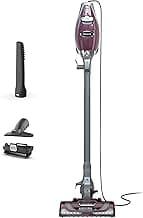
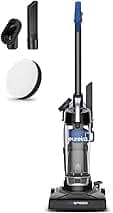
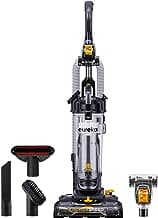
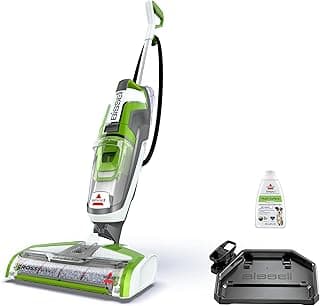
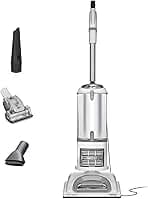
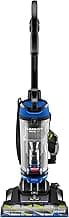
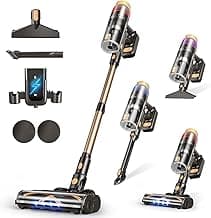
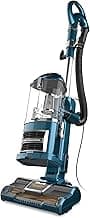
What Multi-Surface Actually Means
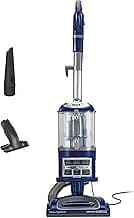
True multi-surface capability requires brush roll control—engaging for carpet agitation, disengaging for hard floors where rotation scatters debris. Without this, vacuums optimize one surface while proving problematic on others. The best multi surface vacuum includes this control as standard feature, not optional upgrade requiring premium model purchase.
Automatic surface detection represents premium engineering—sensors identifying floor type and adjusting brush engagement without user intervention. This proves genuinely valuable for busy households where manual adjustment gets forgotten creating damage or poor performance. However, it adds cost and complexity, making manual control adequate for attentive users saving money avoiding unnecessary automation.
Suction modulation prevents problems on both extremes—too much creates vacuum-stuck-to-floor making hard surfaces exhausting, too little leaves carpet inadequately cleaned. Quality designs sense resistance and adjust power maintaining optimal cleaning without requiring constant user management. When considering specific flooring needs, reference comprehensive surface solutions.
The Compromise Acceptance
Multi-surface vacuums sacrifice single-surface perfection for cross-surface competence—never deep-cleaning carpet like dedicated upright or handling delicate hardwood like specialized design. This trade-off proves acceptable when cleaning entire home matters more than optimizing individual surfaces. Understanding and accepting compromise prevents disappointment when equipment performs well everywhere without excelling anywhere specifically.
Carpet performance suffers most in compromises—hard floors requiring mainly suction while carpet demands aggressive brush action and strong sustained suction. Engineering must balance these opposing needs, typically favoring hard floor capability since damage risks prove higher there. Carpet-dominant homes might need specialized equipment despite mixed surfaces existing, while hard floor-dominant homes benefit enormously from multi-surface designs handling occasional carpet adequately.
Edge cleaning challenges increase with surface variety—different floor types create different transition zones where standard cleaning heads miss debris. Quality multi-surface vacuums include edge capability addressing these zones rather than leaving perpetual dirty borders making entire effort feel incomplete despite thorough center coverage.
The best vacuum for mixed floors doesn't do everything perfectly—it does everything adequately enough that you'll actually clean your whole home rather than avoiding half of it because your equipment struggles there.
Corded vs Cordless for Surface Transitions
Corded provides unlimited runtime and consistent power—critical for larger mixed-surface homes requiring extended cleaning sessions. However, cords catch on furniture and transitions between surfaces, creating friction that cordless designs eliminate entirely. The convenience enables completing whole-home cleaning in single session versus abandoning mid-way through cord frustration.
Cordless battery limitations (30-60 minutes typical) usually suffice for apartments and smaller homes but challenge larger properties. Mixed surfaces drain batteries faster than single-surface cleaning—varying resistance and power requirements consuming charge unpredictably. Understanding recipient's actual square footage relative to realistic runtime prevents gifting equipment inadequate for their space despite theoretical sufficiency under ideal conditions.
For gift contexts, corded proves safer for unknown situations—serving broader scenarios without runtime anxiety. Cordless works when recipient's specific situation clearly favors convenience and space constraints match battery capacity. When uncertain about recipient's home size or cleaning patterns, corded eliminates variables that could create dissatisfaction.
Budget Realities Across Performance Tiers
Entry multi-surface vacuums ($100-150) provide basic brush control and adequate suction variation—serving small spaces with simple surface mixes. These handle tile-plus-low-pile-carpet adequately while struggling with complex scenarios or premium flooring requiring gentle treatment. Budget constraints limit engineering sophistication creating real performance gaps versus premium alternatives.
Mid-range options ($200-350) deliver genuine multi-surface capability—proper brush control, intelligent power management, and materials protecting delicate surfaces. The best vacuum cleaner for multiple surfaces typically occupies this tier, balancing performance with accessibility. Most households find adequate capability here without premium features they'd never utilize anyway.
Premium systems ($400-600+) add automatic detection, superior edge cleaning, and exceptional build quality. These justify cost for complex homes or recipients you know maintain equipment properly and use advanced features. However, calibrate pricing to relationship depth and recipient comfort receiving expensive gifts—mid-range adequacy sometimes serves satisfaction better than flagship performance creating gift-acceptance awkwardness.
When Specialized Tools Win Instead
Extreme surface imbalance (80%+ single type) favors specialized equipment accepting adequate secondary performance versus compromising primary surface cleaning. Someone in loft with tile throughout except small bedroom carpet should optimize for tile. Someone in carpeted house with only bathroom tile should prioritize carpet capability. The multi-surface compromise serves balanced situations, not extreme distributions.
Two-vacuum households make sense for clear surface divisions—all carpet upstairs, all hard floors down. Separate equipment stored on appropriate levels avoids constant stair-carrying while delivering optimal performance per surface. This approach requires storage space and purchase budget but yields superior results versus forcing single tool serving both inadequately. For pet-specific needs complicating surface mix, explore targeted solutions.
Delicate specialty flooring—unsealed hardwood, cork, bamboo—deserves dedicated gentle equipment rather than multi-surface designs optimizing for common resilient surfaces. The value of specialty flooring justifies specialty tools protecting investment through appropriate treatment versus risking damage from compromised multi-surface approach.
Reading Reviews for Surface-Specific Performance
Filter reviews from households with similar flooring distribution to recipient's actual home—someone praising "great on tile" with 90% tile means little for 50/50 tile-carpet situations. Surface-specific performance matters more than general "works well" claims lacking context about conditions creating satisfaction.
Transition performance deserves attention—reviews mentioning smooth surface changes, effective edge cleaning, or brush control reliability reveal whether equipment handles real-world mixed flooring versus just testing adequately on isolated surfaces. These specific scenarios predict recipient satisfaction better than controlled single-surface demonstrations.
Long-term capability reveals whether multi-surface designs maintain versatility or degrade into surface preference—equipment working initially on all surfaces but users gravitating toward one because others prove increasingly problematic through wear or revealed limitations. Sustained multi-surface satisfaction validates engineering versus short-term impressions masking fundamental compromises.
Gift Timing Considerations
Post-renovation surface changes: Someone installing new flooring types creating mixed surfaces previous vacuum can't handle. Recognition of their home evolution shows attention to their investment while providing tools protecting new surfaces through appropriate cleaning methods.
Moving between housing types: Relocating from apartment to house or vice versa creating surface mix changes requiring equipment adaptation. Housewarming gifts acknowledging new flooring reality demonstrate you've paid attention to their specific situation rather than generic congratulations.
When current vacuum clearly struggles: Observing multiple passes on certain surfaces or avoided areas revealing equipment limitations. Intervention before permanent cleaning pattern develops around equipment inadequacy shows care about their daily experience beyond just acknowledging problem exists.
Success Metrics Beyond Initial Gratitude
Success isn't excitement during gift presentation—it's sustained use across all home areas six months later. Does recipient clean whole home regularly now versus avoiding certain spaces their previous equipment struggled with? This behavioral outcome proves gift solved real problem rather than just seeming impressive initially.
Positive indicators: unprompted mentions about how much easier cleaning became, visibly improved whole-home cleanliness, or reports about finally addressing previously-neglected areas. Negative indicators: equipment stored inaccessibly suggesting disuse, complaints about discovered limitations, or continued use of previous vacuum for certain areas indicating new equipment didn't adequately replace it.
For uncertain situations, explicit return flexibility reduces obligation: "If this doesn't handle your specific floor mix well, absolutely exchange it." This enables honest assessment without guilt about potentially returning thoughtful gift that proves incompatible despite selection effort.
Gifts are for making an impression, not just for the sake of it.
GiftsPick - Meticulous, Kind, Objective.