

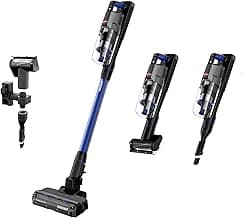
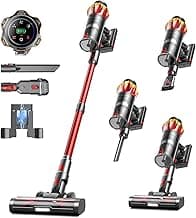
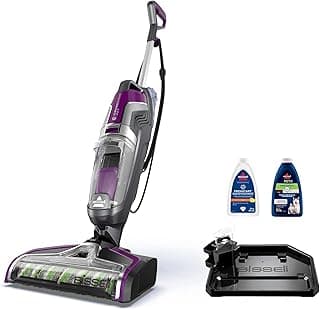
Why Hardwood Makes Pet Hair Exponentially More Visible
Carpet hides sins through texture and pattern. Individual pet hairs disappear into pile structure, camouflaged by fibers and color variation until accumulation reaches critical mass making cleaning unavoidable. Hardwood offers no such mercy—every single hair, every dust particle, every tiny debris shows starkly against smooth uniform surfaces. Light hits floors at angles revealing what carpet would conceal, making pet owners with hardwood hypersensitive to cleanliness standards impossible maintaining without becoming obsessive.
Static electricity on hardwood attracts and holds pet hair through physical charge interaction. Dry winter heating amplifies this—hair clings to floors requiring mechanical removal rather than simple sweeping that scatters loose debris. This adhesion explains why brooms prove useless for pet hair on hardwood despite working adequately on carpet. The physics demand different tools specifically engineered addressing electrostatic attraction alongside visible collection.
Grout lines between planks or tiles create hair traps collecting debris vacuums struggle reaching. Brushed or textured hardwood surfaces hold hair in microscopic surface variations invisible to eyes but effective preventing simple suction removal. These physical characteristics mean hardwood with pets demands more sophisticated cleaning approaches than either hardwood alone or pets on carpet—the combination creates unique challenges neither condition separately presents.
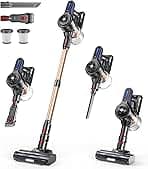
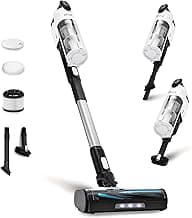
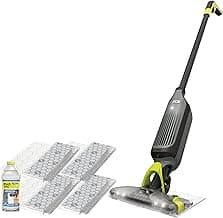
For gift-givers watching friends struggle with visible fur accumulating within hours of cleaning their beautiful hardwood homes, understanding this isn't laziness or poor housekeeping—it's biology meeting physics creating problems standard equipment can't adequately address. The best vacuum for dog hair on wood floors recognizes these specific challenges rather than assuming generic "pet vacuum" or "hardwood vacuum" solves the combined scenario. When considering thoughtful gifts for women or practical presents for men managing both pets and home pride, equipment matching their specific tension point demonstrates perceptive understanding.
The Scratch Anxiety That Changes Everything
Pet owners with carpeted homes vacuum with abandon—push hard, run over same spot multiple times, drag equipment around without concern for surface damage. Hardwood introduces paralyzing anxiety about every wheel rotation potentially creating the scratch requiring expensive refinishing. This fear changes cleaning psychology from aggressive thoroughness to tentative caution that leaves fur behind through timid inadequate passes preventing effective removal.
Quality hardwood vacuums use soft rubber wheels specifically preventing the scratch-creating plastic wheels common in carpet-focused designs. But "soft wheels" alone proves insufficient—wheel diameter, weight distribution, and vacuum base material all contribute to surface safety. Large-diameter wheels distribute weight across more surface area reducing pressure concentration. Padded vacuum bases cushion contact preventing hard plastic directly grinding debris particles into finish during pushing motion.
This protective engineering matters enormously when gifting pet owners whose hardwood represents significant financial investment. They chose hardwood despite knowing pets create maintenance challenges—showing you understand protecting that investment while managing inevitable mess demonstrates respect for their priorities and constraints. Equipment enabling confident thorough cleaning without surface damage anxiety transforms cleaning from reluctant tentative activity into effective maintenance preserving both floor beauty and pet relationships.
Different Dogs, Different Fur Physics
Short-haired breeds (Boxers, Beagles, Labradors) shed individual hairs that embed into hardwood grain and texture through static attraction. These prove harder removing than long hair despite generating less obvious volume. The hairs work into brushed wood surfaces or between planks requiring specific suction angles and airflow patterns extracting them effectively. The best vacuum for hardwood and dog hair from these breeds includes edge cleaning capability and sufficient suction maintaining contact across textured surfaces.
Long-haired breeds (Golden Retrievers, Collies) produce voluminous shedding that clumps and tumbles across smooth hardwood. These fur balls visibly accumulate in corners and under furniture—easier spotting but requiring large dust capacity handling volume they generate. During seasonal coat blows, these breeds overwhelm standard vacuum capacity forcing multiple emptying interruptions that make already-tedious pet-owner cleaning even more frustrating.
Double-coated breeds (Huskies, German Shepherds) combine both challenges—dense undercoat generating massive volume during seasonal sheds plus individual guard hairs distributing constantly year-round. Hardwood homes with these breeds face most extreme vacuum demands requiring commercial-grade capacity and anti-clog engineering handling extraordinary fur volumes without constant maintenance intervention. For friends with these specific breeds, equipment selection acknowledging their particular challenge demonstrates research beyond just "pet vacuum" generic category.
Cats present unique hardwood-specific challenges—lighter body weight means less scratch concern but hair's fine texture clings tenaciously to any surface imperfection. Multiple cats create exponential accumulation where two cats generate four times the apparent mess through interaction effects and mutual grooming distributing saliva-coated allergenic hair throughout home. The best hardwood pet hair vacuum for cat households prioritizes fine particle capture alongside traditional debris collection.
Why Brush Rolls Prove Problematic on Hardwood
Rotating brushes designed for carpet agitation create problems on hardwood—scattering lightweight pet hair away from suction intake rather than collecting it. The brush speed perfect for lifting carpet-embedded debris blows loose hair across smooth floors distributing mess rather than removing it. This fundamental incompatibility explains why carpet-focused pet vacuums frustrate when used on hardwood despite excellent performance on their intended surface.
However, some hardwood pet vacuums benefit from gentle brush action—soft rollers using microfiber or rubber fins sweeping hair toward intake without aggressive scatter. These designs recognize that completely static suction-only cleaning misses some embedded hair in textured hardwood while traditional carpet brushes create worse problems through scatter. The engineering balance requires testing and refinement most manufacturers don't invest in for this specific niche application.
For gift selection, verifying brush roll behavior on hardwood specifically prevents gifting equipment working excellently on carpet (where most pet vacuum testing occurs) while proving frustrating on recipient's actual hardwood flooring. User reviews from hardwood-with-pets households provide more relevant performance data than general pet vacuum reviews from carpeted homes or hardwood reviews from pet-free households. The intersection matters—equipment succeeding at either challenge separately might fail at the combination.
The Soft Roller Revolution
Premium hardwood pet vacuums use soft roller technology—felted cylinders creating suction channels while gently sweeping debris toward intake without scatter. These rollers handle pet hair remarkably well on smooth surfaces, though they require more frequent cleaning than traditional brushes as hair wraps around soft materials more readily than hard bristles. For recipients willing to maintain equipment properly, soft rollers deliver superior hardwood pet hair performance despite higher maintenance demands.
Suction-Only Designs: When Simplicity Wins
Some best-performing hardwood pet vacuums eliminate brush rolls entirely—relying on powerful suction and wide nozzle openings capturing hair without mechanical assistance. This approach prevents scatter while simplifying maintenance by eliminating brush roll hair tangles entirely. However, suction-only designs demand significantly more motor power achieving equivalent hair pickup versus brush-assisted collection—creating trade-offs between simplicity and energy efficiency.
These designs particularly suit textured or rustic hardwood where brush contact risks damage from catching on surface irregularities. Hand-scraped, wire-brushed, or reclaimed wood flooring features intentional texture that brushes potentially catch on or abrade over time. For recipients specifically choosing textured hardwood for aesthetic character, suction-only designs preserve that character while managing pet hair without surface conflict.
Weight and maneuverability matter more for suction-only designs lacking brush-assist reducing rolling resistance. Without brushes helping pull vacuum forward, users provide all motive force—making lightweight designs preventing user fatigue essential for sustained cleaning sessions. For elderly pet owners or those managing physical limitations, this consideration determines whether suction-only hardwood vacuums serve practically despite theoretical advantages. For accessibility considerations, reference age-appropriate vacuum solutions.
Edge Cleaning: Where Hair Actually Accumulates
Pet hair doesn't distribute evenly across hardwood—it accumulates in edges where floors meet walls, around furniture legs, in corners physics drives it toward through air currents and pet movement patterns. Standard vacuum cleaning heads miss these edge zones by inches, requiring separate crevice tool passes doubling cleaning time and creating abandonment risk when process feels too elaborate for quick maintenance.
Quality hardwood pet vacuums include edge cleaning capability—either specialized edge suction channels running cleaning head length or articulated nozzles accessing baseboards during normal passes. This integration prevents requiring separate tools for edge zones, enabling thorough single-pass cleaning maintaining whole-floor cleanliness rather than clean centers with perpetually-furry perimeters making entire effort feel inadequate.
Baseboards themselves collect hair through static attraction and create ledges catching blown debris during normal floor cleaning. Soft dusting attachments cleaning both floors and adjacent baseboards simultaneously address complete cleaning need rather than just floor surface alone. For perfectionist recipients whose hardwood homes showcase baseboards as design elements, this comprehensive approach enables maintaining appearance standards they care about without excessive time investment making maintenance unsustainable.
Who This Equipment Category Actually Serves
Design-conscious pet owners with hardwood showcase homes: Those who chose hardwood partly for aesthetic reasons—open floor plans, contemporary design, resale considerations—now managing pets creating visible mess on surfaces selected specifically for clean appearance. These owners feel tension between pet love and home pride, needing equipment enabling maintenance standards matching their design values without requiring obsessive constant cleaning. For friends whose Instagram-worthy homes now feature pets, equipment maintaining appearance enables continuing to host and share their space without embarrassment about visible fur accumulation.
Allergy sufferers who adopted pets despite sensitivities: People managing respiratory reactions while refusing to rehome animals they love. Hardwood helps by not trapping allergens like carpet does, but hair on smooth surfaces creates visual reminder of constant allergen presence requiring aggressive removal preventing symptom triggers. Equipment containing allergens during collection rather than redistributing them proves essential rather than optional for this population managing impossible choice between health and companionship.
Multi-dog households in hardwood homes: Families whose pet numbers mean fur accumulation reaches visible levels within hours despite frequent cleaning. These owners need commercial-grade capacity in residential packages—dust bins large enough handling volume multiple large dogs generate, filtration preventing rapid clogging, and durability withstanding daily intensive use. Standard residential equipment proves inadequate regardless of quality when cleaning demands exceed design parameters.
Investment property managers maintaining hardwood rentals: Landlords who installed hardwood for durability and tenant appeal now maintaining properties where tenants own pets. Turnover cleaning requires removing accumulated tenant pet hair protecting hardwood for next occupants. For property investors, professional-grade hardwood pet vacuums represent business tools enabling property maintenance rather than household conveniences—changing equipment selection priorities toward durability and performance over aesthetics or refinement.
The Cordless-Corded Question for Hardwood Pet Homes
Cordless designs eliminate the cord-catching-on-furniture problems particularly frustrating in homes where pet hair requires frequent cleaning around chair and table legs. The grab-and-go convenience enables responsive cleaning addressing visible fur accumulation immediately rather than waiting for scheduled sessions—maintaining appearance standards important to hardwood-choosing homeowners between formal cleaning times.
However, pet hair's static cling to hardwood demands sustained suction maintaining pickup effectiveness throughout cleaning session. Cordless battery degradation over time reduces this sustained performance—equipment initially covering whole home eventually requiring mid-clean recharging as batteries age. For pet owners already vacuuming more frequently than typical households, this shortened effective coverage proves particularly problematic when cleaning demands don't decrease but equipment capability does.
Corded designs provide consistent unlimited power—critical for larger hardwood installations or multiple-pet homes where cleaning sessions extend beyond cordless runtime limits. The cord management proves annoying but manageable with planning; the performance consistency proves essential when cleaning volume simply requires sustained capability cordless technology can't yet match for intensive pet-owner applications. For larger homes specifically, explore comprehensive multi-surface solutions when extensive coverage matters more than wireless convenience.
When Hardwood Type Changes Everything
Prefinished engineered hardwood with aluminum oxide coating proves most pet-hair-friendly—smooth durable surface resists scratches while releasing hair readily to suction. These floors tolerate aggressive cleaning better than delicate surfaces, enabling users focusing on hair removal rather than constantly worrying about surface damage from cleaning equipment itself.
Site-finished solid hardwood with oil or wax treatments requires gentler approaches—softer finishes potentially damaged by aggressive vacuum bases or wheels. These surfaces demand equipment specifically engineered for delicate hardwood, limiting options when pet hair management demands aggressive performance. The finish vulnerability creates impossible tension—pets require thorough cleaning but floor finish can't withstand equipment delivering that thoroughness.
Unfinished or newly-refinished hardwood awaiting final seal coats shouldn't face any vacuum until properly sealed—bare wood catches hair in grain making removal difficult while risking wood staining from pet accidents equipment can't fully address. For gift timing, waiting until floors reach fully-finished sealed state prevents gifting equipment for floors not yet ready receiving it—patience demonstrates understanding of hardwood maintenance realities beyond just pet management considerations.
The Filtration-Allergen Connection
Pet dander particles prove smaller and lighter than pet hair—becoming airborne during vacuuming unless filtration captures them preventing exhaust recirculation. Standard filters capture visible hair but allow microscopic dander escaping back into air settling on furniture and creating ongoing allergen exposure triggering symptoms in sensitive household members or guests.
HEPA filtration becomes genuinely valuable for hardwood pet households—capturing both visible fur and invisible dander particles maintaining indoor air quality alongside floor appearance. This dual benefit matters when choosing between equipment offering equivalent pet-hair pickup where filtration quality differentiates overall household impact. For homes managing allergies alongside pets, filtration proves as important as cleaning effectiveness—preventing symptom triggers while maintaining floor cleanliness. For comprehensive filtration options, consider advanced HEPA systems addressing respiratory health.
Sealed systems preventing air leaks matter equally—HEPA filters prove worthless if vacuum body leaks allowing unfiltered air bypassing filtration stage. Quality hardwood pet vacuums engineer sealed airflow paths preventing bypass regardless of how much pet hair accumulates in dust bins or how vigorously equipment gets used. This engineering attention separates thoughtful designs from marketing claims about filtration unsupported by actual system integration.
Timing That Demonstrates Understanding
Post-hardwood installation with existing pets: Someone who just invested thousands installing hardwood while owning shedding animals deserves equipment protecting that investment immediately. Previous carpet-focused pet vacuum proves inadequate for new smooth surfaces showing every hair. Timing gift to floor installation completion acknowledges their investment while providing tools preventing remorse about choosing hardwood despite pets.
After pet adoption into hardwood home: New pet owners discovering shedding reality weeks after adoption frequently feel overwhelmed by visible fur accumulation on floors they chose specifically for clean aesthetic. Equipment gift during this adjustment period provides practical support during emotional transition from "perfect floors" to "loved floors with manageable fur"—validating their choice keeping pets while enabling appearance maintenance standards they care about.
Seasonal shedding crisis: Spring and fall coat changes when even normally-manageable pets overwhelm current equipment through sheer volume. Gifting during visible crisis demonstrates you notice their struggle and want to help rather than just sympathizing from distance. This timing makes practical tool feel like understanding gesture rather than random appliance. For related pet care support, explore comprehensive pet hair solutions addressing fur across all surfaces.
When floors show visible wear from inadequate cleaning: Observing dull areas or embedded debris revealing current cleaning approach proves insufficient for their pet-hardwood combination. Intervention before permanent damage requires refinishing shows care about their home investment. This timing requires sensitivity—framing around enabling better results rather than criticizing visible wear they probably feel self-conscious about already.
Budget Realities Across Quality Tiers
Effective hardwood pet vacuums start around $200—below this, equipment struggles with either hardwood protection (scratching floors) or pet hair effectiveness (inadequate suction or scatter problems). The specialized engineering required making both aspects work simultaneously prevents budget-tier adequacy this niche application demands. For gift budgets under $200, sometimes choosing either excellent hardwood vacuum accepting adequate pet performance or excellent pet vacuum being extra careful on hardwood serves better than inadequate attempts at both.
Mid-range hardwood pet vacuums ($250-400) represent practical sweet spot for most households—adequate soft wheels, reasonable suction without scatter, acceptable capacity for typical pet shedding. These deliver genuine performance improvements over generic equipment while remaining gift-appropriate pricing for most relationships rather than excessive investment creating recipient discomfort. The best vacuum for pet hair wood floors in this range balances all competing requirements adequately if not perfectly.
Premium hardwood pet vacuums ($400-600) add soft roller technology, superior filtration, enhanced edge cleaning, and materials explicitly selected for surface protection combined with pet hair capability. For recipients managing multiple large dogs on showcase hardwood, this tier proves justified through sustained capability matching their sustained demands. However, calibrate pricing to relationship depth and recipient comfort receiving expensive gifts—mid-range adequacy sometimes serves satisfaction better than flagship performance creating gift-receiving awkwardness.
The Maintenance Burden Multiplier
Pet hair wraps around wheels, clogs hoses, accumulates on filters, and fills dust bins far faster than typical household debris. Hardwood-specific features like soft wheels or gentle rollers often trap hair more readily than hard bristles specifically because their gentle-on-floors designs use materials hair adheres to more tenaciously. This creates paradox where features protecting hardwood simultaneously increase maintenance demands users must accept as necessary trade-off.
Quality designs minimize but don't eliminate this burden through accessible components and tool-free maintenance access. One-handed dust bin release, pull-to-remove brush rolls, washable filters with clear replacement indicators—these details determine whether recipients maintain equipment properly or let performance gradually degrade through maintenance avoidance creating "my vacuum doesn't work anymore" conclusions about equipment simply needing regular cleaning.
Including maintenance supplies with gift—brush cleaning tools, extra filters, detailed but simple maintenance guide—demonstrates understanding of complete ownership requirements beyond purchase. Expensive equipment without consumables leaves recipients immediately facing additional purchases before fully utilizing gift. This thoughtful completion shows you've considered total ownership experience rather than just impressive initial presentation.
Perfect doesn't exist with pets and hardwood coexisting—but adequate maintenance with proper tools preserves both relationships and floors without requiring obsessive vigilance destroying enjoyment of either.
Reading Reviews for Hardwood-Pet Intersection
Generic pet vacuum reviews focus on carpet performance—irrelevant for hardwood households. Generic hardwood vacuum reviews come from pet-free homes—missing the hair management challenge. The intersection proves rarely addressed specifically requiring piecing together information from both categories inferring whether equipment handles the combination despite testing occurring separately. Look specifically for reviews explicitly mentioning "hardwood with pets" revealing real-world experience with the actual challenge.
Scratch complaints deserve careful attention—even single review mentioning floor damage from wheels should trigger caution regardless of overwhelming positive reviews. Floor scratching proves both permanent and cumulative—"hasn't scratched yet" doesn't mean "won't scratch eventually." Conservative approach when protecting significant hardwood investment makes sense despite potentially over-cautious equipment selection.
Long-term reviews (12+ months) discussing sustained performance with pets reveal whether equipment handles ongoing challenge or degrades into "worked initially but disappointing now" pattern common when designs inadequately engineer for sustained pet hair exposure. Initial performance impressing review writers often degrades within months when daily intensive pet-owner use reveals engineering limitations short-term testing couldn't expose. Pattern recognition across multiple long-term reviews revealing consistent degradation indicates predictable failure mode rather than individual user bad luck.
When Equipment Alone Proves Insufficient
Some pet-hardwood combinations exceed what any residential vacuum adequately manages—multiple large heavily-shedding dogs on extensive hardwood creating commercial-level cleaning demands. Professional cleaning services providing periodic deep extraction might prove more practical than expecting residential equipment handling extraordinary volume indefinitely without professional intervention supplementing owner efforts.
Diet and grooming affect shedding volume as much as vacuum capability—high-quality pet food and regular professional grooming reduce hair generation at source rather than just managing aftermath. For gift contexts, acknowledging equipment represents one component within broader pet-and-floor management strategy shows realistic understanding rather than implying vacuum alone solves all challenges they face living with their chosen combination of pets and flooring.
Sometimes hardwood refinishing proves necessary regardless of vacuum quality—years of pet cohabitation eventually wear surfaces beyond what maintenance prevents. Building refinishing into long-term home maintenance budget rather than viewing it as failure when eventually needed demonstrates realistic expectations about hardwood-with-pets lifespan realities. Equipment extends intervals between refinishing but doesn't eliminate eventual necessity for homes where pets remain priority over perfect floors.
The Emotional Support Through Practical Tools
Pet owners with hardwood often feel judged—friends without pets whose homes stay pristine, social media showcasing impossible cleanliness, or their own perfectionism creating guilt about visible fur despite vacuuming constantly. Quality equipment doesn't eliminate this emotional burden but reduces it through enabling results matching effort invested rather than feeling like Sisyphean tasks where floors never look clean despite constant work.
For gift-givers, acknowledging this emotional dimension shows understanding beyond surface practicality. You're not just providing cleaning tool—you're reducing stress source affecting how comfortable recipients feel inviting guests, hosting events, or simply existing in homes they feel embarrassed about despite loving animals creating the mess. This emotional support through practical means demonstrates depth of care often more meaningful than purely functional assistance would communicate.
The best gifts address real challenges without creating shame around those challenges existing. Pet hair on hardwood isn't personal failure—it's predictable consequence of choices recipients don't regret making. Supporting pet owners means accepting that animal companionship includes maintenance challenges while providing tools making those challenges manageable rather than overwhelming their enjoyment of both their pets and their homes.
Complete System Thinking Beyond Vacuum Alone
Strategic area rug placement protects high-traffic hardwood zones—furniture areas where pets rest, doorways where they enter after outdoor time. This flooring-furniture combination acknowledges pets while protecting most-vulnerable floor areas from constant wear. Vacuums serve both surfaces when rugs specifically chosen for easy maintenance complement rather than complicate cleaning.
Pet nail maintenance affects floor scratching more than vacuum wheel design—regularly-trimmed nails cause dramatically less hardwood damage than overgrown claws regardless of vacuum selection. Pairing vacuum gift with pet grooming service gift card acknowledges complete reality they manage rather than addressing single aspect in isolation. This comprehensive support demonstrates investment in their total pet-home management challenge.
However, avoid overwhelming recipients with unsolicited advice about managing their pet-floor situation. Equipment gift stands alone as practical support; additional suggestions should respond to expressed frustrations rather than presuming they need complete lifestyle revision. This distinction between helpful and presumptuous determines whether comprehensive support feels caring versus judgmental about how they currently manage their chosen combination of pets and flooring they wouldn't change even if they could.
Long-Term Value: What Actually Lasts
Durability under intensive use determines whether equipment serves pet owners for years or disappoints within months as daily vacuuming frequency exceeds average residential use assumptions manufacturers designed around. Pet-owner vacuuming 5-7 times weekly subjects equipment to annual use levels exceeding what typical households generate over multiple years—stressing motors, wheels, and switches beyond standard design parameters.
Parts availability and repair accessibility matter when equipment seeing heavy use inevitably needs service. Quality manufacturers maintain parts inventory and offer reasonable repair costs enabling long equipment lifespan. Disposable designs lacking serviceable parts force complete replacement when components wear—creating higher long-term costs despite potentially lower initial purchase prices. For gift longevity, choosing repairable equipment from brands supporting long-term ownership serves recipients better than cheap disposability regardless of initial savings.
Warranty terms reflecting manufacturer confidence prove revealing—short warranties (1 year or less) suggest expected premature failures. Quality hardwood pet vacuums offer 3-5 year warranties demonstrating manufacturer confidence in durability under demanding use their target customer creates. This warranty length proves better predictor of real-world longevity than marketing claims about durability that every manufacturer makes regardless of actual engineering quality.
The Honest Trade-offs Discussion
No vacuum prevents scratches from pet claws—equipment protects floors from cleaning damage but can't address wear from normal pet movement. This limitation requires acknowledging when presenting equipment—it enables safe thorough cleaning but doesn't solve complete pet-hardwood coexistence challenges recipients face. Realistic expectations preserve satisfaction when equipment performs exactly as designed without creating disappointed conclusions about inadequacy from misaligned hopes.
Visual cleanliness proves impossible maintaining constantly with shedding pets on hardwood showing every hair—acceptance of "clean enough" standards rather than "perfect" proves necessary for sanity. Equipment enabling achieving "acceptable between guest visits" or "presentable for daily living" serves recipients better than implying "always pristine" becomes possible with proper vacuum. This honest framing respects their reality rather than creating pressure toward impossible standards.
Sometimes the best answer involves adjusting expectations rather than seeking perfect equipment—recognizing that pets and showcase hardwood represent fundamentally incompatible priorities requiring one taking precedence over the other. For friends clearly struggling with this tension, sometimes the most supportive gift conversation involves validating that choosing pet companionship over perfect floors demonstrates admirable priorities rather than representing failure to maintain adequate standards. Equipment helps manage the choice they've already made—it doesn't eliminate the inherent conflict between wanting both things simultaneously.
Gifts are for making an impression, not just for the sake of it.
GiftsPick - Meticulous, Kind, Objective.