

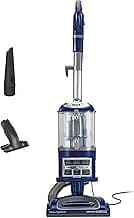

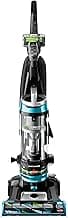
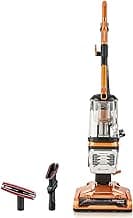
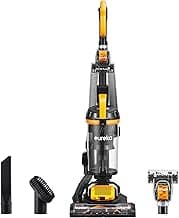
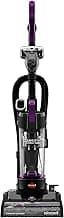
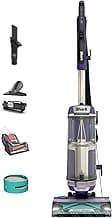
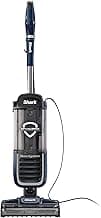
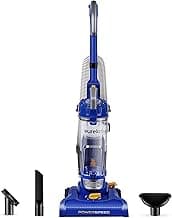
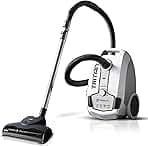
The Pet Owner's Cleaning Reality: What Actually Happens
Pet hair isn't just dirt—it's engineered biological material designed to stick to everything except pets themselves. Individual hairs carry static charge attracting them to fabrics. The tapered structure embeds into carpet fibers and upholstery weave. Natural oils coat each hair creating slight adhesion to surfaces. Your pet isn't just shedding—they're distributing thousands of tiny biological Velcro strips throughout your living space daily.
Seasonal shedding multiplies this exponentially. Spring and fall coat changes transform moderate daily shedding into apocalyptic fur storms lasting weeks. Your Golden Retriever who normally drops acceptable amounts suddenly releases entire winter undercoat—handfuls of fluff with every brush stroke, visible fur clouds floating whenever the dog moves, carpet looking freshly furred minutes after vacuuming. This isn't neglect or poor grooming—it's biology doing exactly what evolution designed for temperature regulation.
Multiple pets compound logarithmically rather than linearly. Two cats don't create twice the fur—they create four times the mess through interaction effects. They groom each other, spreading saliva proteins that make fur more allergenic. They play and wrestle, distributing hair throughout more vertical surfaces. They sleep in each other's spots, cross-contaminating areas with mixed shedding. The second pet transforms "manageable if I vacuum twice weekly" into "visible fur accumulation within hours of cleaning."
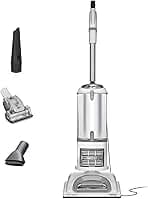
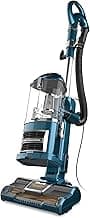
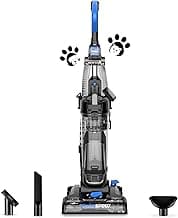
For gift-givers selecting vacuums for pet owners, understanding this isn't criticism of their housekeeping—it's acknowledging reality that pets create ongoing cleaning challenges no amount of diligence fully eliminates. The best upright pet hair vacuum doesn't solve pet shedding but makes managing it sustainable rather than Sisyphean. When considering thoughtful gifts for pet-loving friends or family, tools addressing their actual daily struggles demonstrate perceptive understanding beyond generic gifting.
Why Upright Design Specifically for Pet Hair
Upright vacuums concentrate power directly where pet hair accumulates most—carpet and area rugs. The motor sits inches above cleaning head, minimizing power loss through hose length that reduces stick and canister effectiveness. For homes with significant carpeted area and pets, this direct power application matters enormously. What stick vacuums require three passes to achieve, quality uprights accomplish in one—returning time to actually enjoying pets rather than perpetually cleaning after them.
Wider cleaning paths cover more area per pass—critical when fur visibly accumulates between cleaning sessions. A 12-15 inch cleaning head enables finishing rooms faster than 8-10 inch stick vacuum heads, making thorough frequent cleaning feasible within busy schedules. For pet owners already time-pressed between work, pet care, and life generally, efficiency gains transform cleaning from "eventually I'll get to it" into "done in 20 minutes before dinner."
Brush roll positioning and power in upright designs specifically address embedded pet hair. The rotating brush sits directly on carpet surface driven by dedicated motor or belt system providing aggressive agitation impossible with lighter stick designs. This mechanical action doesn't just lift surface hair—it extracts the embedded fur that foot traffic presses deep into pile over days and weeks. Without this agitation, carpets develop permanent dingy appearance no amount of suction-only cleaning improves.
Larger dust bin or bag capacity suits pet-owner cleaning volume. Pet hair isn't dense—it's fluffy and voluminous. A dustbin looking half-full after single room cleaning proves already full by volume despite seeming to have space. Uprights with generous capacity enable whole-home cleaning without multiple emptying interruptions that make already-tedious task even more frustrating. For homes with multiple pets or large dogs, capacity directly determines whether cleaning happens regularly or gets avoided because it feels overwhelming.
The Bagged Versus Bagless Debate for Pet Owners
The best bagged vacuum for pet hair contains mess during disposal—critical for allergy sufferers who need pet companionship despite respiratory sensitivity to pet dander. Bags seal completely when removed, trapping hair and allergen particles rather than releasing them into air during emptying. For someone managing both pet love and allergy challenges, this containment proves essential rather than nice-to-have feature.
Bags also maintain consistent suction better than bagless designs as they fill. Bagless vacuums lose effectiveness as cyclonic chambers accumulate debris and filters clog with hair. Bagged systems maintain performance until bag reaches capacity, then signal replacement need—no gradual degradation making users wonder if vacuum still works properly or needs cleaning somewhere. This consistency matters for pet owners who vacuum frequently enough to notice performance variations affecting cleaning effectiveness.
However, bagged systems create ongoing costs—$15-30 per multi-pack requiring regular repurchase and storage. For pet owners already managing pet food, supplies, veterinary expenses, adding vacuum bags to recurring costs feels like one more financial demand. Bagless systems eliminate this expense while creating different trade-offs—emptying dustbins releases fur clouds triggering allergies, requires more frequent filter cleaning, and proves generally messier process than sealed bag disposal.
For gift selection, understanding recipient's allergy situation and tolerance for ongoing expenses informs bagged-versus-bagless appropriateness. Someone with pet allergies strongly benefits from bagged containment despite recurring costs. Someone allergy-free who prefers avoiding subscription-style expenses might accept messier bagless emptying gladly to eliminate bag purchasing entirely. Neither approach universally superior—suitability depends entirely on recipient's specific circumstances and priorities.
Who Actually Needs Upright Pet-Specific Vacuums
Multi-pet households in carpeted homes: Two or more cats, dogs, or combinations thereof generating constant fur accumulation on carpeted surfaces. These owners face daily visible hair requiring frequent thorough cleaning impossible with inadequate equipment. Standard vacuums force multiple passes exhausting users and consuming time pets deserve. For friends or family with obvious multi-pet cleaning struggles, appropriate equipment transforms their daily experience from frustrating to manageable.
Allergy sufferers refusing to rehome pets: People managing respiratory sensitivity while maintaining pet relationships. They need equipment containing allergens rather than redistributing them during cleaning. Sealed bagged systems with HEPA filtration enable keeping beloved pets despite medical challenges that would otherwise force impossible choices between health and companionship. For someone you know struggling with this specific tension, proper filtration vacuum becomes health support tool rather than just cleaning equipment.
Large-breed dog owners in active households: Labs, Golden Retrievers, German Shepherds—breeds combining significant size with heavy shedding producing massive fur volume. Add active family life tracking outdoor debris alongside pet hair and cleaning demands become genuinely intense. These households need commercial-grade capacity and performance rather than consumer equipment quickly overwhelmed by cleaning volume their lives generate.
Pet fosters and rescue volunteers: Those temporarily housing animals awaiting adoption, managing rotating populations of pets with varying coat types and shedding levels. Equipment must handle unknown dog or cat arriving tomorrow potentially shedding more than current residents. For someone dedicated to animal welfare work, professional-quality cleaning equipment enables continuing their rescue work without home becoming uninhabitable from accumulated fur. Consider how other practical gifts support specific hobbies or commitments recipient prioritizes.
Brush Roll Technology: The Hair-Tangle Battle
Traditional bristle brush rolls become wrapped in hair within minutes—requiring constant manual removal before every cleaning session or accepting degraded performance as hair-wrapped brush stops contacting carpet properly. This maintenance burden makes already-tedious pet-owner cleaning even more frustrating. The "I guess I have to stop and unwrap the brush again" moment happening three times per cleaning session destroys motivation to maintain regular vacuuming schedule.
Tangle-free brush roll designs using rubber fins or specialized bristle patterns minimize hair wrapping dramatically. These don't eliminate tangling entirely—physics of long hair interacting with rotating mechanisms makes that impossible—but reduce it from "every five minutes" to "maybe weekly." This practical improvement transforms pet-owner cleaning from constant-interruption frustration to actual accomplishment-feeling sessions where room gets cleaned without equipment constantly demanding attention.
Removable brush rolls enable proper cleaning when hair accumulation eventually requires it—tool-free release mechanisms letting users extract brushes for hair removal in seconds rather than struggling with screws and tight-fitting housings. For pet owners cleaning regularly, easy brush maintenance determines whether equipment stays functional or degrades into "I should clean the brush but it's such a pain I'll do it later" neglect causing performance decline.
Some premium uprights include self-cleaning brush rolls automatically clearing hair into dust path rather than allowing accumulation. This automation proves particularly valuable for long-haired pet owners (Persian cats, Cocker Spaniels) whose pets drop hair designed seemingly specifically to tangle machinery. The technology costs more but prevents the brush-maintenance burden that makes pet owners dread using otherwise-excellent equipment.
Suction Power Reality: Marketing Versus Embedded Fur
Manufacturer specifications tout impressive-sounding suction numbers (200 AW! 25kPa!) rarely correlating with real-world pet hair performance. Embedded fur extraction depends more on airflow design, brush agitation effectiveness, and seal quality than raw motor power. A 12-amp motor with optimized air channels outperforms 15-amp motor with poor airflow engineering—but marketing naturally emphasizes the bigger number despite its limited relevance to actual cleaning capability.
The best upright vacuum for pets balances suction with brush action specifically—both working together to lift embedded hair from carpet pile. Suction alone (like handheld or stick vacuums rely on) picks up surface debris but leaves embedded fur untouched. Brush action without adequate suction agitates hair without removing it, sometimes making matters worse by redistributing fur. The combination engineered properly achieves what neither component alone can accomplish.
Sealed systems maintaining suction from motor through cleaning head separate quality uprights from designs losing power through air leaks at connection points. Pet hair creates additional challenge—long strands can block hoses or clog filters rapidly if design doesn't account for high-volume hair management. Quality pet-specific uprights engineer airflow paths handling hair without constant clogging requiring user intervention.
The Multi-Surface Pet Owner Challenge
Most homes with pets mix flooring types—carpet in bedrooms, tile or hardwood in kitchens and bathrooms, area rugs on hard floors in living spaces. Pet hair distributes across all surfaces requiring vacuum handling diverse cleaning challenges without constant setting adjustments or equipment changes. The upright best vacuum for pet hair across mixed surfaces requires true multi-surface capability rather than just marketing claims of versatility.
Automatic height adjustment maintains proper brush contact across carpet pile variations and hard floor transitions without manual intervention. Pet owners moving between rooms constantly shouldn't need stopping at every doorway adjusting vacuum height—cleaning momentum matters for finishing before motivation dies. Automatic systems handle transitions invisibly while maintaining optimal performance on each surface type.
Hard floor modes disengage brush rolls preventing hair scatter rather than collection—common problem when using carpet-optimized brush settings on tile or hardwood. Hair sits on hard surfaces rather than embedding in material, so brush agitation creates problems rather than solving them by blowing lightweight hair away from intake rather than toward it. Quality pet vacuums recognize this different physics and adjust operation appropriately per surface type.
Pet ownership isn't about maintaining spotless homes—it's about managing the mess well enough that you can focus on the relationship rather than resenting the animal for creating work.
Different Pets, Different Hair Challenges
Short-haired pets (Labradors, shorthair cats) drop individual hairs embedding deep into carpet rather than sitting on surface. These prove harder to extract than long hair because they work into pile structure where only aggressive brush agitation reaches. Counter-intuitively, short-hair pets often create more difficult cleaning challenges than long-haired breeds despite generating less visible fur accumulation.
Long-haired pets (Persian cats, Golden Retrievers) produce voluminous shedding overwhelming dust bins rapidly while also creating tangles in brush rolls and hose clogs. The fur often comes out in clumps rather than individual hairs—making it easier to spot but requiring larger capacity and better anti-tangle engineering. Vacuum selection should consider actual pets' coat types rather than assuming generic "pet vacuum" suits all situations equally.
Undercoat-heavy breeds (Huskies, German Shepherds, double-coated cats) experience seasonal "blowout" periods where shedding increases 5-10x normal rates. During these weeks, even excellent vacuums struggle keeping up with volume. For owners of these breeds specifically, commercial-grade capacity and power prove necessary rather than premium luxury—their cleaning challenges during blowout season genuinely require professional-level equipment just maintaining livable conditions.
Multiple different pets creating varied hair types throughout home requires vacuum handling all challenges rather than optimizing for single coat type. The household with both long-haired cat and short-haired dog needs equipment managing both fine embedded hairs and voluminous clumping fur simultaneously. This combination challenge makes vacuum selection more complex than single-pet households face.
When to Gift: Supporting Pet-Owner Struggles
After pet adoption: New pet owners discovering shedding reality weeks after adoption frequently feel overwhelmed by unexpected cleaning burden. Timing vacuum gift to this discovery period—perhaps 2-3 months post-adoption when novelty fades and ongoing maintenance reality sets in—provides practical support during adjustment period. This demonstrates understanding their joy includes challenges deserving proper tools rather than just verbal congratulations.
During shedding season hell: Spring and fall coat changes when pet owners lose battles against visible fur accumulation. Gifting during these crisis periods shows you notice their struggle and want to help rather than just sympathizing. The timing transforms practical tool into empathetic gesture—you see how hard this is, you're not judging them, you're providing resources making impossible task merely difficult.
When pet numbers increase: Someone adopts second dog or cat, perhaps not fully anticipating how exponentially cleaning challenges grow with pet quantity. Recognizing this transition deserves equipment upgrade shows you understand their expanding fur-management reality. For friends or family adding pets, gifting during this transition acknowledges their growing animal family while providing practical support their previous vacuum can't deliver.
Moving into larger home or different flooring: Relocating from apartment with tile floors to house with extensive carpeting creates new cleaning challenges previous equipment never faced. Vacuum that worked fine on hard floors proves inadequate on carpet with pets. Timing gift to moving transition shows attention to their changing circumstances rather than just generic housewarming gesture. Consider how multi-surface solutions address these transitional cleaning needs.
The Allergy-Pet Paradox
Many pet owners develop or discover pet allergies years into pet ownership—facing impossible choice between rehoming beloved animals or managing chronic respiratory symptoms. Quality HEPA filtration in uprights captures dander particles preventing airborne recirculation during vacuuming. This containment doesn't cure allergies but reduces environmental allergen load making cohabitation sustainable rather than medically untenable.
However, emptying bagless bins releases concentrated allergen clouds directly into allergic user's face—the worst possible exposure scenario. For allergy-suffering pet owners, bagged systems with HEPA filtration provide double containment: HEPA prevents exhaust allergens, sealed bags prevent disposal allergens. This combination enables continuing pet relationships that inadequate vacuums would force ending through intolerable symptom exacerbation.
Some pet owners take antihistamines daily enabling pet ownership despite allergies. For these individuals, vacuum selection directly impacts medication effectiveness—proper filtration and containment reduce baseline allergen exposure allowing medications to manage remaining triggers. Inadequate vacuums creating high allergen environments overwhelm medications, forcing dosage increases or additional interventions. This medical dimension makes proper vacuum selection health-support tool rather than just cleaning preference.
Maintenance Reality: The Unsexy Truth
Pet-owner vacuums require maintenance frequency far exceeding manufacturer assumptions. Filters clog faster, brush rolls tangle quicker, dust bins fill repeatedly per cleaning session rather than per week. This accelerated maintenance burden affects whether equipment stays functional or degrades into "I think something's wrong with my vacuum" performance decline that's actually just neglected maintenance user doesn't realize is necessary so frequently.
Washable filters save money but require discipline—remembering to wash, dry completely before reinstalling, and checking replacement schedules despite washing. For busy pet owners, this discipline proves difficult maintaining consistently. Disposable filters simplify at cost of ongoing expense—weighing convenience versus cost based on recipient's actual likelihood maintaining washable filters properly versus forgetting until performance suffers obviously.
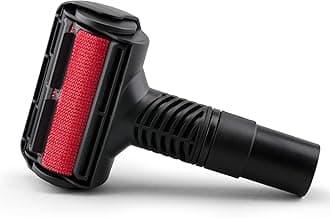
Brush roll cleaning frequency with pets requires weekly or even multiple-times-weekly attention rather than monthly maintenance manufacturer manuals suggest for typical use. Long pet hair wraps around bearings and axles creating drag that stresses motors and reduces effectiveness. For gift recipients, including brush-cleaning tools and establishing expectations about maintenance frequency prevents "my vacuum broke" conclusions about equipment simply needing regular hair removal.
The Professional-Grade Home Use Justification
Some pet-owner situations genuinely warrant commercial vacuum investment rather than premium residential models. Multiple large dogs, homes over 3,000 square feet with pets, or foster situations with rotating animal populations create cleaning demands exceeding residential equipment design parameters. Commercial uprights engineered for professional cleaners handle these extreme pet-owner situations where even best residential models struggle.
However, commercial equipment weighs more, costs significantly more, and lacks features residential users expect—like headlights, edge cleaning, quiet operation. The trade-off makes sense when cleaning volume justifies professional capacity but proves overkill for typical pet households. Understanding recipient's actual situation prevents both over-investing in unnecessary commercial equipment or under-investing in residential gear inadequate for their genuine demands.
For gift selection, honestly assessing whether recipient faces normal pet-owner cleaning or extreme situations determines appropriate equipment tier. Two cats in apartment needs quality residential pet vacuum; three shedding dogs in 4,000 square foot house might genuinely need commercial equipment despite additional cost and reduced convenience features. This honest assessment serves recipients better than defaulting to whatever marketing calls "best for pet hair."
Budget Tiers: What Quality Costs
Quality pet-specific uprights start around $200—below this price point, vacuums struggle with genuine pet hair volume and embedded fur extraction. Budget "pet vacuums" under $150 typically just add pet-themed marketing to inadequate consumer equipment rather than engineering actual pet-hair capability. For gift budgets constrained below $200, sometimes choosing quality stick vacuum or waiting until budget allows proper upright serves recipients better than buying inadequate upright just to buy upright style.
Mid-range pet uprights ($250-400) represent sweet spot for most pet owners—adequate power and capacity for typical multi-pet households without flagship pricing creating recipient discomfort. These deliver genuine pet-hair performance upgrades over standard residential vacuums while remaining gift-appropriate pricing for most relationships rather than excessive investment suggesting obligation or discomfort.
Premium pet uprights ($400-600) add features like self-cleaning brushes, superior filtration, enhanced durability, and extended warranties. For recipients facing extreme pet-owner challenges or those you know will maintain equipment properly justifying premium investment, this tier delivers maximum capability. However, these prices create potential gift-awkwardness for some relationships—calibrate pricing to relationship depth and recipient's comfort receiving expensive gifts rather than just maximizing performance specifications.
The Honesty About Pet-Owner Cleaning
No vacuum eliminates pet hair—they manage it to acceptable levels between cleanings. Pet owners accepting this reality rather than pursuing impossible cleanliness standards enjoy animals more while maintaining livable homes. The goal isn't house looking pet-free (impossible and honestly unnecessary) but rather preventing fur accumulation creating genuinely unsanitary or unpleasant conditions while minimizing cleaning time spent achieving this acceptable baseline.
Professional cleaning services prove worth considering for pet owners overwhelmed despite proper equipment. Monthly or bi-weekly professional deep cleaning alongside owner-performed maintenance cleaning creates sustainable pattern preventing burnout or resentment toward pets for cleaning burden they generate. For gift contexts, sometimes funding cleaning service alongside or instead of vacuum equipment proves more valuable support than equipment alone.
Pet ownership means accepting visible hair between cleanings—furniture shows fur, corners accumulate tumbleweeds, guests probably notice despite your best efforts. People visiting pet households should and generally do expect this. Perfect cleanliness proves impossible and attempting it creates stress preventing enjoying pets' companionship. Proper equipment makes "acceptable if not perfect" achievable with reasonable effort rather than requiring obsessive maintenance generating burnout and resentment.
Loving pets means choosing companionship over pristine homes—but that choice doesn't require surrendering to chaos when proper tools make management sustainable.
Gift Presentation: The Supportive Framing
Frame gifts around continuing to enjoy pets rather than fixing cleaning failures. "I know how much you love [pet names]—this should make managing the shedding easier so you have more time actually enjoying them" positions supportively. Avoid framing suggesting their home is unacceptably dirty or implying they're failing at cleaning—pet hair accumulation isn't moral failure, it's biological reality that better tools help manage rather than solve completely.
Acknowledge specific challenges you've observed if gifting to someone whose situation you know well. "I've noticed [specific dog] really sheds heavily—thought this might help with that daily fur battle" shows attention to their particular circumstances rather than generic pet-owner assumption. This specificity demonstrates thoughtfulness beyond just buying "pet vacuum" based on their having animals generally.
Include realistic expectations about what equipment can and cannot achieve. "This won't make the hair stop appearing, but should make removing it much less frustrating" prevents disappointment when recipient discovers pets still shed despite expensive new vacuum. Managing expectations preserves satisfaction with equipment performing exactly as designed even if results differ from hoped-for miracles.
When Upright Isn't The Answer
All-hardwood or tile homes with pets benefit more from specialized hard-floor equipment than uprights designed for carpet. Uprights work on hard floors but don't optimize for them—hard floor-specific vacuums or even robot vacuums prove more appropriate for pet owners without significant carpet. For recipients in these situations, directing them toward appropriate alternatives rather than forcing upright purchase serves their actual needs better despite "upright for pets" being common recommendation.
Elderly pet owners or those with physical limitations struggle with upright weight and pushing effort regardless of performance advantages. Lightweight stick vacuums, robot vacuums with strong suction, or cordless designs prove more appropriate despite potentially compromised pet-hair performance. Enabling continued independent pet care through equipment they can physically manage trumps theoretically superior performance from equipment too heavy or awkward for comfortable use. For aging pet owners specifically, reference accessibility-appropriate options.
Apartment dwellers with primarily hard floors and minimal carpet might find uprights excessive for their needs and storage limitations. Cordless stick vacuums with pet-hair attachments serve these situations adequately while storing conveniently in closet corners rather than requiring dedicated storage space uprights demand. Sometimes recognizing recipient's space constraints informs different recommendations despite general "upright for pets" wisdom.
The Emotional Support Through Practical Tools
Pet ownership involves constant low-grade stress about cleanliness—"is my house acceptably clean given that I have pets" anxiety affecting how comfortably owners invite guests, how they feel about their living space, whether they feel judged for visible fur accumulation they combat daily but never fully eliminate. Proper equipment reduces this anxiety not through achieving perfection but through making effort feel effective rather than futile.
For gift-givers, acknowledging this emotional dimension shows understanding beyond surface practicality. You're not just providing cleaning tool—you're reducing stress source affecting recipient's relationship with both their home and their pets. This emotional support through practical means demonstrates depth of understanding often more meaningful than purely functional assistance would communicate.
The best gifts address real challenges without creating shame around those challenges existing. Pet hair isn't personal failure—it's predictable consequence of choices recipients don't regret making. Supporting pet owners means accepting that animal companionship includes maintenance challenges while providing tools making those challenges manageable rather than overwhelming. This balanced support respects their choices while practically assisting their daily reality.
Long-Term Ownership: What Actually Matters
Durability under sustained use determines whether equipment serves pet owners for years or disappoints within months. Pet-owner vacuuming frequency far exceeds average residential use—daily or multiple-times-weekly operation rather than weekly cleaning typical households manage. This usage intensity means equipment rated for "average residential use" proves inadequate for even typical pet households, let alone extreme situations.
Parts availability and repair accessibility matter more for equipment seeing heavy use. Motors, belts, filters, brush rolls—all wear faster under pet-owner demands. Brands maintaining parts availability and offering reasonable repair costs enable long equipment lifespan. Disposable designs lacking serviceable parts force complete replacement when components inevitably wear—creating higher long-term costs despite potentially lower initial investment.
Warranty terms reflecting manufacturer confidence prove revealing. Short warranties (1 year or less) suggest manufacturers expect premature failures—not reassuring for equipment intended serving daily for years. Quality pet vacuums offer 3-5 year warranties demonstrating manufacturer confidence in durability under sustained demanding use pet ownership creates. This warranty length proves better predictor of real-world longevity than marketing claims about durability.
The Complete Picture: Equipment Plus Support
Vacuum alone doesn't solve pet-owner cleaning challenges—comprehensive approach including grooming, diet affecting shedding, strategic furnishing choices all contribute to manageability. For supportive gift-giving, acknowledging equipment represents one component of broader fur-management strategy rather than complete solution demonstrates realistic understanding. Suggesting complementary approaches alongside equipment gift shows thoroughness beyond single-purchase thinking.
Professional grooming or quality brushing tools reduce shedding volume entering home environment—attacking problem at source rather than just managing aftermath. Pairing vacuum gift with professional grooming session funding or quality deshedding tools creates systems approach to fur management more effective than either intervention alone. This comprehensive support demonstrates investment in their complete pet-owner experience rather than just addressing single symptom.
However, avoid overwhelming recipients with unsolicited advice about managing their pet situations. Equipment gift stands alone as practical support; additional suggestions should respond to expressed frustrations rather than presuming they need complete lifestyle revision. This distinction between helpful and presumptuous determines whether comprehensive support feels caring versus judgmental about how they currently manage their pets and home.
Gifts are for making an impression, not just for the sake of it.
GiftsPick - Meticulous, Kind, Objective.