

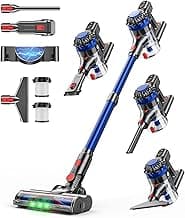
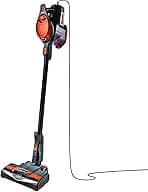
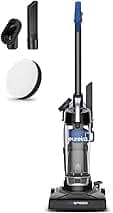
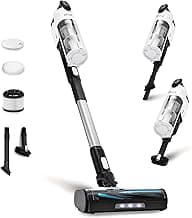
The Multi-Surface Reality Most Homes Actually Face
New construction and major renovations create opportunities for flooring consistency. But most people live in existing homes where previous owners made incremental changes over decades. The bathroom got tile in the '90s remodel. Bedrooms retained original carpet. Kitchen updated to ceramic tile in 2010. Living room features hardwood installed by whoever lived there in the '60s. Each room represents a different decision-making moment and budget reality.
Even intentionally-designed homes mix surfaces strategically. Tile in high-moisture areas makes sense—bathrooms, kitchens, mudrooms, laundries. Carpet in bedrooms provides warmth and sound dampening. Hardwood or luxury vinyl in living spaces offers aesthetic appeal with reasonable maintenance. This deliberate variety requires cleaning equipment handling all three surface types effectively rather than excelling at one while barely managing others.
Rental properties and apartments multiply this complexity. Tenants inherit whatever flooring landlords installed, often mixing cheap solutions across different areas. Living room carpet, kitchen linoleum, bathroom tile, bedroom carpet—all low-grade materials chosen for cost rather than coherence. Cleaning these spaces demands equipment tolerating quality variations without requiring constant setting adjustments.
For gift-givers selecting vacuums, understanding recipient's actual flooring mix matters enormously. Someone in apartment with 70% tile and 30% area rugs needs different equipment than someone in suburban house with 60% carpet and 40% tile/hardwood. The best vacuum for tile and hardwood floors optimizes differently than one balancing tile and carpet equally. Accurate recipient assessment prevents gifting excellent single-surface tools for multi-surface realities. When considering practical gifts, matching tool to actual environment demonstrates thoughtful selection over generic purchasing.
Why Surface-Specific Vacuums Fail Mixed-Floor Homes
Carpet vacuums feature aggressive rotating brushes designed to agitate pile and extract embedded debris. Take these onto tile and watch the brush scatter debris rather than collect it, scratch grout lines over time, and generate noise as bristles slap against hard surfaces. The engineering optimized for carpet actively sabotages hard floor performance.
Hard floor vacuums prioritize suction without mechanical agitation, often using soft rollers that sweep debris toward intake. Move these onto carpet and suction alone can't extract dirt embedded in pile. Surface debris lifts fine, but the ground-in particles requiring agitation remain untouched. After months of this inadequate cleaning, carpets develop the dingy appearance that prompts premature replacement despite structural soundness.
Owning separate vacuums for different surfaces solves the performance problem while creating storage and usage friction nightmares. Switching equipment mid-clean interrupts flow. Storing multiple full-size vacuums consumes space few homes can spare. Eventually, people default to whatever vacuum sits most accessible—meaning half the home gets cleaned properly while the other half receives inadequate attention. This leads to the "why does my carpet look worse than the tile" puzzle that stems directly from tool mismatches rather than cleaning frequency.
The Brush Roll Control Feature: Non-Negotiable Requirement
Manual brush roll shut-off represents the single most important feature for multi-surface homes. This allows deactivating rotating brushes when moving from carpet to hard floors—eliminating scatter, preventing surface damage, and reducing noise. Without this control, users face choosing between carpet performance or hard floor safety, never both simultaneously.
Electronic brush control beats mechanical switches through instantaneous response and complete disengagement. Toggle a switch and brushes stop rotating immediately, not after momentum winds down. This precision matters at transition zones—doorways where carpet meets tile, area rugs on hard floors, kitchen entries where materials change mid-stride. Clean transitions require instant mode changes impossible with mechanical linkages.
Automatic surface detection represents premium engineering—sensors identify floor type and engage or disengage brushes without user intervention. For recipients who clean while multitasking (talking on phone, supervising kids, thinking about dinner), automation prevents the "forgot to turn off brush" damage that accumulates invisibly over thousands of cleaning sessions. This intelligence suits busy households where cleaning happens alongside life rather than as isolated focused activity.
The best vacuum cleaner for tiled floors that also handles carpet includes robust brush control rather than hoping "universal" settings somehow optimize for both. Marketing claims about working everywhere mean excelling nowhere. Purpose-built multi-surface capability requires engineering recognizing that different surfaces demand fundamentally different cleaning approaches, then enabling switching between them effortlessly.
Suction Power Needs Across Different Surfaces
Tile cleaning relies almost entirely on suction—debris sits on surface rather than embedding in material. Modest suction (1500-2000Pa) removes visible dirt effectively. Excessive suction creates seal that prevents vacuum head movement—the "stuck to floor" problem making cleaning exhausting. For tile-dominant homes, balanced suction matters more than maximum power specifications.
Carpet demands significantly higher suction (2500-3500Pa) extracting particles pressed into pile by foot traffic. The fiber structure traps debris that sits loosely on hard surfaces. Without adequate suction, carpets appear clean immediately after vacuuming but reveal embedded dirt when furniture moves or sunlight hits at low angles. This hidden contamination drives the "I just vacuumed yesterday but it already looks dirty" frustration actually caused by insufficient extraction during cleaning.
Variable suction control allows matching power to surface requirements—maximum on carpet, reduced on tile. This conserves battery (for cordless models), reduces noise, prevents excessive seal on hard floors, and extends brush life through appropriate loading. Quality multi-surface vacuums automate this adjustment or make manual control intuitive rather than requiring menu diving before each surface transition.
Who Actually Needs Multi-Surface Capability
New homeowners discovering flooring variety: First home purchases often reveal flooring complexity invisible during brief walkthroughs. That "hardwood throughout" actually means living room and hallway only. Bedrooms feature carpet. Kitchen and bathrooms have tile. Cleaning this variety with apartment vacuum brought from previous rental reveals inadequacy immediately. Housewarming gifts should address actual discovered needs rather than assumed wants. For those exploring meaningful gifts around major life transitions, practical solutions to newly-discovered problems demonstrate attentive care.
Pet owners managing hair across surfaces: Pet hair behaves differently on various flooring. Tile shows every hair but releases it easily. Carpet traps hair deep in pile requiring aggressive extraction. Hardwood creates hair tumbleweeds accumulating in corners. Multi-surface homes with pets need equipment handling all three challenges rather than excelling at one while struggling with others. For recipients whose cleaning frustration centers specifically on pet hair management across mixed floors, proper tool selection transforms daily struggle into manageable routine.
Open-plan homes with zoned flooring: Modern layouts feature continuous spaces transitioning between surface types—tile entry flowing to hardwood living area opening to carpeted family room. Cleaning these spaces involves constant surface changes without natural stopping points for equipment switches. Seamless multi-surface capability enables cleaning entire zones in single sessions rather than either making multiple equipment changes or accepting inadequate cleaning of portions.
Families in active use homes: High-traffic households generate different debris types on different surfaces. Kitchen tile accumulates food particles and spills. Living room carpet collects ground-in dirt and crumbs. Bathroom tile faces hair and dust. Bedroom carpet deals with lint and dust mites. Equipment handling this diversity without performance compromises enables thorough whole-home cleaning rather than prioritizing certain areas because current vacuum works better there.
Wheel Design Impact on Multi-Surface Navigation
Hard wheels suit carpet by providing stability and preventing sinking into pile. Take these onto tile and they transmit every surface imperfection as jarring movement—grout lines, slight height variations, transition strips all create bumpy ride interfering with smooth cleaning strokes. The vacuum feels harder to push, more prone to veering off course, generally unpleasant to maneuver on hard floors.
Soft rubber wheels excel on hard floors through smooth rolling and gentle surface contact. Move these onto thick carpet and they sink into pile, increasing rolling resistance dramatically and exhausting users through sustained pushing effort. The vacuum that glides on hardwood feels like dragging through mud on carpet, creating frustration that leads to avoiding carpeted areas or abandoning equipment entirely.
Quality multi-surface vacuums use hybrid wheel designs—rubber coating over firm cores providing both cushioning and stability. This compromise delivers acceptable performance across all surfaces rather than excelling on one while failing on others. For mixed-floor homes, accepting slightly-suboptimal wheel performance on any single surface beats owning multiple vacuums or constantly struggling with mismatched equipment.
Swivel capability matters more in multi-surface homes than single-surface spaces. Navigating between surface transitions, around furniture on various floor types, and through rooms with different materials demands maneuverability impossible with fixed wheels. Ball-joint or swivel-neck designs enable this fluid navigation without lifting or forcing—critical for sustained cleaning across diverse surfaces.
The Filtration Factor: Dust Behavior Varies by Surface
Tile and hardwood generate fine dust that becomes airborne easily during vacuuming. This particulate matter either gets captured by filtration or exhausts back into living space—settling on furniture, floating in air, triggering allergies. Hard floor-heavy homes benefit significantly from quality filtration preventing dust recirculation during cleaning sessions.
Carpet traps dust within pile structure, releasing it during vacuuming agitation. The sheer volume of embedded particles means carpet-heavy homes generate more filtration burden than hard floor-dominant spaces. Multi-surface homes face both challenges—airborne dust from hard floors plus embedded particles from carpet—requiring filtration handling diverse particle sizes and concentrations effectively.
HEPA filtration becomes valuable but not essential in most multi-surface homes unless allergy or asthma concerns exist. Standard multi-stage filtration captures adequate dust for typical households. The best vacuum for hardwood and tile floors that also handles carpet prioritizes dust containment but doesn't necessarily require medical-grade filtration. Budget allocation toward brush control and multi-surface capability often serves recipients better than premium filtration with compromised surface adaptability. For complementary air quality solutions, explore how advanced filtration systems address respiratory health alongside surface cleaning.
Corded vs Cordless for Transition-Heavy Cleaning
Corded vacuums provide unlimited runtime—critical for large mixed-floor homes requiring 45+ minute cleaning sessions. Constant power means consistent suction regardless of battery state. However, cords become particularly problematic in multi-surface environments. Different floor types create varying friction—cords drag differently across carpet versus tile, creating unpredictable resistance requiring constant accommodation. Transition strips catch cords. Outlets positioned for carpet areas sit uselessly distant from tile sections needing cleaning.
Cordless designs eliminate these friction variables entirely. Cleaning flows smoothly across surface transitions without cord management interrupting rhythm. Battery limitations (30-60 minutes typical) usually prove adequate for apartments and smaller homes where mixed flooring exists. Larger homes might require mid-clean recharging or cleaning in segments across multiple days—acceptable trade-offs for many users who value cordless convenience over single-session completion.
Battery allocation in multi-surface cordless vacuums requires balancing runtime against weight. Carpet cleaning drains batteries faster than hard floor cleaning—motor works harder maintaining suction against pile resistance plus powering brush rotation. A cordless vacuum rated 60 minutes on hard floors might manage only 40 minutes on mixed surfaces with significant carpet. Understanding recipient's actual floor mix helps predict realistic runtime rather than accepting manufacturer specifications assuming optimal conditions.
Attachments That Matter for Complete Multi-Surface Cleaning
Crevice tools reach grout lines on tile floors—areas where standard vacuum heads can't access debris accumulation. Grout sits recessed below tile surface, creating channels that trap dirt invisible from standing height but clearly visible when kneeling. Periodic grout cleaning with crevice attachments prevents the progressive darkening that eventually requires professional cleaning or grout replacement.
Upholstery tools address furniture cleaning in mixed-floor homes. Carpeted floors often correlate with upholstered furniture while tiled spaces feature leather or vinyl seating. Homes with both benefit from vacuum attachments handling all furniture types—maintaining cleanliness across entire living spaces rather than requiring separate equipment for different furniture materials.
Dusting brushes suit baseboards transitioning between floor types. The junction where tile meets walls accumulates dust. Where carpet meets walls collects different debris. Soft-bristle attachments clean both without scratching painted trim or damaging carpet edges. Multi-surface homes feature more linear feet of baseboard simply through room quantity—more rooms mean more perimeter cleaning requiring appropriate tools.
The best vacuum cleaner for floor tiles handling carpet too includes useful attachment variety rather than assuming floor-only cleaning suffices. Complete home cleaning crosses surface types and elevations—requiring tool flexibility matching the environmental variety characterizing real living spaces.
Transition Zone Challenges: The Engineering Test
Doorway thresholds between different flooring types create height variations and material transitions. Vacuums must navigate these without catching, requiring lifting, or leaving strips of uncleaned floor. Low-profile designs with front-mounted wheels clear transitions smoothly. High-centered designs with rear-weighted balance catch on thresholds, interrupting cleaning flow and frustrating users into avoiding thorough transition zone coverage.
Area rugs on tile create four transition challenges per rug—edges where rug meets tile require cleaning both underneath rug edge and tile immediately adjacent. Standard vacuums either climb onto rugs without cleaning beneath edges or clean tile while leaving rug edges untouched. Quality multi-surface designs handle these micro-transitions seamlessly, maintaining cleaning contact through height changes rather than requiring manual attention to every rug perimeter.
Stairs featuring different materials on treads versus landings multiply navigation challenges. Carpet treads with tile landings, hardwood stairs with carpeted upstairs hallways—these combinations demand equipment readily adapting to rapid surface changes in vertical spaces where maneuvering already challenges even straightforward cleaning equipment. For multi-story mixed-floor homes, stair cleaning capability heavily influences whether vacuum serves complete house or just single-level areas.
Maintenance Across Different Debris Types
Hard floor cleaning generates fine dust and small particles—sand, food crumbs, hair, paper scraps. This debris processes through vacuum systems quickly, requiring relatively infrequent dust bin emptying. Filters face primarily dust accumulation, cleaning easily with simple rinses or taps.
Carpet cleaning produces fiber lint, embedded dirt, and larger particles compressed into pile by foot traffic. This debris mixes with carpet fibers shed naturally, creating denser waste requiring more frequent emptying and potentially clogging filters faster. The composition differs fundamentally from hard floor waste—requiring filtration handling both fine particles and fibrous materials without performance degradation.
Multi-surface vacuums managing both debris types need robust filtration and adequate dust bin capacity. Too-small bins require emptying multiple times during single cleaning sessions—interrupting flow and creating abandonment risk when users tire of constant emptying. Filters must handle diverse particle sizes and types without rapid clogging that degrades suction. Equipment maintenance complexity directly determines whether multi-surface capability remains functional or degrades into single-surface preference through avoidance of surfaces creating maintenance burden.
When Single-Surface Equipment Actually Makes Sense
Homes with 80%+ coverage of single surface type benefit more from surface-optimized equipment than multi-surface compromises. Someone in loft with tile throughout except small bedroom carpet should prioritize tile performance. Someone in carpeted house with only bathroom tile should optimize for carpet. The 80/20 rule applies—optimize for dominant surface, accept adequate performance on minority areas.
Two-vacuum households make sense for larger homes with clear surface divisions. Upstairs all-carpet with downstairs tile/hardwood justifies separate equipment stored on appropriate levels. The inconvenience of multiple vacuums disappears when equipment rarely needs moving between storage locations. For affluent recipients with equipment storage space, specialized tools outperform generalists—but this describes minority of typical households facing space constraints and budget limits.
Rental situations where flooring might change with next move favor multi-surface capability even in currently single-surface apartments. Renters averaging 2-3 years per location face unknown flooring in next residence. Multi-surface equipment provides future-proofing impossible with specialized designs. For young adults establishing first households or frequent movers managing career transitions, adaptable tools prove wiser investments than current-situation optimizations. Consider how other surface-specific solutions address particular flooring types when optimization makes sense.
Budget Allocation: Where Money Actually Matters
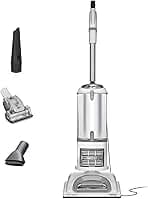
$150-250 budget bracket accesses quality multi-surface upright vacuums with manual brush control and adequate suction variation. These handle typical mixed-floor homes effectively without premium features unnecessary for straightforward residential use. For gift-giving around housewarmings or new home purchases, mid-range multi-surface capability delivers practical utility without excessive investment suggesting recipient couldn't afford adequate equipment themselves.
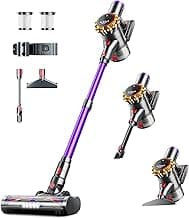
$300-450 range provides cordless multi-surface stick vacuums with automatic surface detection and extended runtime. These suit recipients valuing convenience and technology who clean frequently enough to justify cordless premium. Younger homeowners, tech-comfortable professionals, busy families—demographics appreciating automation and wireless operation despite cost premium over corded equivalents.
$500+ category delivers flagship multi-surface performance—high suction ranges, sophisticated sensors, premium build quality, extended warranties. These make sense for larger homes (2500+ square feet), complex floor mixes, or recipients who research extensively before purchasing and appreciate engineering excellence. However, this price tier often represents diminishing returns for typical households where $300 equipment delivers 90% of flagship performance at 60% of cost.
Reading Reviews for Multi-Surface Reality Checks
Filter reviews from users with similar floor mixes to recipient's actual home. "Great on tile" from someone with 90% tile means little for someone with 50/50 tile-carpet split. Look specifically for reviews mentioning transition performance, brush control effectiveness, and sustained use across diverse surfaces rather than initial impressions focused on single-surface testing.
Long-term reviews (6+ months ownership) reveal whether multi-surface capability remains functional or degrades into single-surface preference. Initial multi-surface enthusiasm sometimes fades when one surface performs significantly better, leading users to focus on that surface exclusively. Reviews mentioning "still using it everywhere" or "works equally well on all my floors" validate sustained multi-surface effectiveness rather than short-lived novelty.
Professional reviews often test in single-surface environments—pristine carpet test rooms or uniform tile lab spaces. These controlled conditions don't replicate home realities with dirty grout, worn carpet, furniture transitions, and the chaos characterizing actual daily cleaning. User reviews from real homes provide more relevant performance data for gift selection purposes than laboratory specifications measuring ideal-condition maximums.
The Gift Conversation: Positioning Multi-Surface Practicality
Frame gift around observed cleaning challenges rather than equipment deficiency. "I noticed you have both tile and carpet—these are specifically designed for that mix" positions as solution-focused rather than criticism-implied. Recipients may not have articulated frustration with current equipment, but highlighting how new design addresses their specific environment demonstrates observational care beyond generic gift selection.
Emphasize time savings from single-equipment cleaning. "You can clean your whole house without switching vacuums or constantly adjusting settings" appeals to busy recipients managing full lives alongside home maintenance. Efficiency gains resonate more broadly than technical specifications about brush roll speeds or suction measurements that interest only enthusiast users.
For skeptical recipients attached to current equipment despite its limitations, offer trial periods or emphasize return policies. "If it doesn't work better than what you have, you can absolutely return it" removes adoption pressure while providing escape path if equipment truly doesn't suit recipient needs despite thoughtful selection. Confidence in recommendation allows offering flexibility rather than insisting recipient embrace gift regardless of actual fit.
Installation and Success Setup
Assemble equipment before gifting when possible. Many vacuums ship requiring handle attachment, accessory installation, or initial charging. Presenting ready-to-use equipment prevents "I'll set it up later" delays that risk gift sitting unused for weeks while current inadequate vacuum continues simply through momentum. Immediate usability encourages immediate adoption establishing new cleaning patterns rather than eventual consideration.
Demonstrate surface transition technique during first use. "When you move from tile to carpet, just flip this switch" or "the vacuum detects surface changes automatically—see how it adjusts?" shows rather than tells. Physical demonstration with recipient operating equipment under guidance builds confidence through supervised success rather than hoping written instructions suffice.
Include quick-reference card covering critical operations: power on/off, brush engagement/disengagement, dust bin emptying, basic troubleshooting. Comprehensive manuals overwhelm; simplified guides focusing on frequent operations enable competent daily use without requiring technical expertise or manual consultation for routine tasks.
Long-Term Value: Equipment That Adapts to Changing Homes
Flooring changes over home ownership duration. Today's carpet becomes tomorrow's luxury vinyl. Current tile gets replaced with engineered hardwood. Multi-surface capability future-proofs against these renovations—equipment remains relevant through flooring updates rather than becoming obsolete when surfaces change. This adaptability makes multi-surface vacuums wise investments for homeowners in renovation-likely properties or those planning gradual updates.
Life stage transitions affect flooring preferences and maintenance capacity. Young families with toddlers often replace carpet with hard surfaces for easier cleanup. Empty nesters sometimes add carpet for warmth and sound dampening in quiet houses. Equipment serving across these transitions provides sustained value rather than requiring replacement when living situations evolve. For milestone gifts marking major life changes, tools adapting across life stages demonstrate long-term thinking beyond immediate circumstances.
Rental property management by owners cleaning between tenants benefits enormously from multi-surface versatility. Investment properties rarely feature uniform flooring—combinations installed at different price points across different eras create maximum variety. Single equipment handling all variations simplifies property maintenance logistics while ensuring consistent cleaning standards regardless of which property requires attention. This practical consideration suits recipients managing multiple properties or those considering rental investments as retirement income strategy.
The Honest Limitation Discussion
Multi-surface vacuums sacrifice single-surface perfection for cross-surface competence. They'll never deep-clean carpet as effectively as dedicated carpet vacuums. They won't handle delicate hardwood as gently as hardwood-specific designs. This compromise proves acceptable when cleaning entire homes matters more than optimizing individual surface performance. Understanding and accepting this trade-off prevents disappointment when multi-surface equipment performs very well everywhere but brilliantly nowhere.
Extremely high-pile carpets or particularly delicate tile challenge multi-surface designs. Shag carpet benefits from specialized deep-cleaning equipment. Hand-painted or antique tile deserves specialty care. Homes featuring these extreme examples alongside standard surfaces might require multiple equipment approaches rather than single multi-surface solution. Honest assessment prevents gifting inadequate tools for specific situations despite general multi-surface appropriateness.
Performance degradation over time affects multi-surface designs uniquely. As brushes wear, carpet performance suffers while hard floor capability remains adequate. Users might not recognize gradual carpet cleaning decline while still seeing acceptable tile results. This creates maintenance blindness where equipment remains "good enough" despite needing service. For recipients unlikely to maintain equipment proactively, simpler surface-specific designs with more obvious performance degradation patterns might serve better through forcing timely maintenance or replacement.
The Core Truth About Real-World Cleaning
Perfect cleaning systems exist primarily in marketing materials and pristine display homes. Real houses feature compromised implementations—flooring installed across decades, repairs mixing materials, renovations creating patchwork surfaces reflecting available budgets rather than design ideals. Equipment serving these realities outperforms tools designed for idealized single-surface fantasies.
The best cleaning equipment matches how people actually live rather than how they theoretically should. Multi-surface capability acknowledges flooring variety as standard rather than exception. It respects that homes evolve, that budgets constrain, that previous owners made different choices, that renovation happens gradually rather than comprehensively. This realistic design philosophy serves recipients infinitely better than specialized tools forcing users to adapt lives to equipment rather than equipment adapting to lives.
Gifts are for making an impression, not just for the sake of it.
GiftsPick - Meticulous, Kind, Objective.