

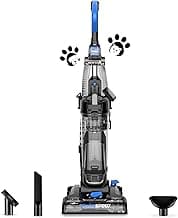
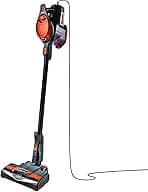
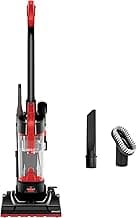
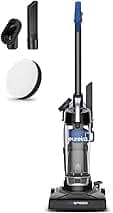
The Mixed-Surface Home Reality Nobody Discusses
Design magazines show homes with deliberate flooring consistency—that California modern aesthetic with polished concrete throughout, the traditional home where every room flows with oak hardwood, the contemporary space unified by large-format tile. Meanwhile, actual homeowners live in houses where grandma's bedroom still has the carpet she chose in 1987, the master bathroom got luxury vinyl during last year's leak repair, and three different previous owners made three different flooring decisions you inherited upon purchase.
Even new construction rarely features single-surface simplicity. Building codes require different flooring for moisture-prone areas. Budget constraints force prioritizing visible spaces over hidden ones. Practical needs—sound dampening in bedrooms, comfortable standing surfaces in kitchens, easy-clean bathrooms—drive surface variety regardless of aesthetic preferences. The result: most homes feature 3-5 different flooring types distributed across various rooms and transitions.
This matters enormously for vacuum selection because surface transitions create performance challenges generic "works everywhere" vacuums handle poorly. The brush roll perfect for carpet scatters debris on hard floors. The gentle suction ideal for tile leaves carpet dingy from inadequate extraction. Wheels designed for smooth hardwood gliding sink into thick carpet pile. The tool supposedly handling "all floors" actually compromises everywhere rather than excelling anywhere.
For gift-givers, understanding recipient's actual home flooring mix transforms selection from guessing to informed matching. Someone in apartment with 80% tile and 20% area rugs needs different equipment than someone in house with 60% carpet and 40% mixed hard floors. The best floor carpet vacuum doesn't exist universally—it varies based on actual flooring distribution in specific home you're trying to serve. When considering practical gifts for women or thoughtful presents for men managing households, this contextual understanding separates generic from genuinely helpful.
What Makes Multi-Surface Cleaning Actually Different
Surface physics dictate cleaning requirements fundamentally. Carpet traps debris within pile structure requiring mechanical agitation plus suction extracting embedded particles. Hard floors allow debris sitting on surface needing only suction for removal—agitation creates problems by scattering lightweight materials away from intake rather than toward it. These opposing requirements force vacuums choosing: optimize for embedding extraction or surface collection, rarely both simultaneously.
Transition zones where surfaces meet create micro-challenges multiplying across homes with mixed flooring. Carpet edges meeting tile floors collect debris in the interface—too low for carpet cleaning mode, too tight for hard floor mode. Threshold strips between rooms catch wheels and hang up equipment flow. Area rugs on hard floors create four transitions per rug requiring climbing onto then off fabric surfaces while maintaining cleaning contact throughout.
Debris types vary by surface creating different contamination profiles equipment must handle. Kitchen hard floors accumulate food particles and sticky spills requiring moist cleaning occasionally. Bedroom carpet traps dust mites and shed skin cells needing deep periodic extraction. Living area rugs on hardwood collect both surface dust from underlying wood and embedded dirt from foot traffic. Single-surface vacuums optimizing for one contamination type struggle with the others.
Human psychology around cleaning multi-surface homes creates abandonment risks when equipment proves frustrating. Starting enthusiastically then encountering transition difficulties where vacuum doesn't work well makes finishing feel like chore rather than accomplishment. Users gradually avoid thoroughly cleaning certain areas because equipment struggles there—accepting visible dirt accumulation rather than fighting inadequate tools repeatedly. Proper multi-surface equipment prevents this resignation cycle enabling consistent whole-home cleaning rather than selective maintenance.
Who Actually Needs True Multi-Surface Capability
Growing families in transitional homes: Young homeowners whose houses evolved with them—baby-proofing drove carpet installation in play areas, kitchen renovation brought tile, master bath update added luxury vinyl. Each life stage left flooring marks creating patchwork surfaces requiring equipment handling all without preferencing any. For friends celebrating home improvements or life milestones, vacuums matching their evolved home reality demonstrate attentive understanding beyond surface congratulations.
Rental property owners maintaining diverse portfolios: Landlords managing multiple units featuring whatever flooring previous tenants or budget-conscious renovations installed. Unit A has all carpet, Unit B mixed tile and vinyl, Unit C original hardwood with area rugs—maintaining all requires equipment versatile enough handling any surface combination encountered. For property investors in your circle, professional-grade multi-surface tools become business infrastructure rather than household convenience.
Open-concept home dwellers with zoned flooring: Modern layouts where kitchen tile flows into hardwood dining areas opening to carpeted family rooms without walls creating natural cleaning session breaks. Continuous spaces demand continuous cleaning without equipment change interruptions that break momentum and create "I'll finish later" abandonment. For someone in these flowing layouts, seamless multi-surface performance proves essential rather than nice-to-have feature.
Pet owners managing hair across mixed surfaces: Dogs and cats distribute fur democratically across all flooring types—carpet, hardwood, tile, rugs—requiring equipment extracting hair from fabrics while collecting it from hard surfaces without the scatter-and-spread failure common in single-surface designs. When considering complementary solutions, explore how pet-specific equipment addresses fur management across diverse environments.
The Brush Roll Control Essential
Rotating brush engagement/disengagement capability represents non-negotiable requirement for genuine multi-surface performance. Brushes agitate carpet pile extracting embedded debris but scatter lightweight particles on hard floors rather than collecting them. Without ability stopping brush rotation when transitioning to hard surfaces, users face choosing: inadequate carpet cleaning or problematic hard floor cleaning, never both properly.
Electronic brush control enables instant on/off toggling—critical at transition zones where carpet meets hard floor mid-stride. Mechanical systems using physical linkages lag behind user movement creating sections cleaned in wrong mode before adjustment catches up. This split-second responsiveness determines whether transitions happen seamlessly or require conscious attention every doorway and area rug edge throughout home.
Automatic surface detection represents premium engineering—sensors identifying floor type and adjusting brush engagement without user intervention. For busy households where cleaning happens alongside childcare, cooking, or phone conversations rather than focused dedicated activity, automation prevents the "forgot to turn off brush" damage accumulating invisibly over years of improper cleaning. This intelligence particularly suits gift recipients who clean while multitasking rather than giving vacuuming their full attention.
Some designs include removable brush rolls enabling complete extraction for maintenance or converting vacuum into hard-floor-only configuration. This versatility serves homes with dramatic surface imbalances—90% hardwood with minimal carpet, for instance—allowing optimizing for dominant surface while maintaining capability for minority coverage. The best floor and carpet vacuum provides this flexibility rather than forcing compromise approaches neither surface optimal.
Suction Variation: Why Power Management Matters
Hard floors require modest suction avoiding seal-to-surface that prevents vacuum head movement. Too much suction creates stuck vacuum heads forcing exhausting pushing effort transforming simple cleaning into workout. Proper hard floor cleaning uses just enough suction collecting visible debris without excessive adhesion complicating maneuverability.
Carpet demands substantially higher suction extracting particles pressed deep into pile by foot traffic. The same suction proving excessive on tile proves inadequate on medium-pile carpet where debris embeds below surface visibility. Without variable power control, vacuums compromise—using moderate suction managing both surfaces marginally rather than excelling at either specifically.
Automatic suction adjustment sensing resistance and modulating power accordingly enables optimal performance across surfaces without user management. Systems detecting high resistance (carpet) increase power while sensing low resistance (hard floor) reduce it preventing problems on both surface types. This intelligence removes cleaning technique from user responsibilities—equipment handles optimization allowing focus on actually covering area rather than constantly micromanaging settings.
For cordless models specifically, intelligent power management extends runtime by avoiding unnecessary maximum power when moderate suction suffices. Battery conservation through appropriate power allocation enables larger coverage per charge—critical difference between completing whole-home cleaning versus requiring mid-session recharge that breaks momentum and creates abandonment risk. Understanding recipient's home size relative to runtime considerations prevents gifting equipment inadequate for their actual square footage needs.
Wheel Design Compromises and Solutions
Hard wheels providing stability on carpet create jarring rides on hard floors—every grout line, slight elevation change, and transition strip transmits through wheels as bumpy resistance interfering with smooth cleaning strokes. The vacuum feels harder to push, prone to veering off course, generally unpleasant to maneuver on non-carpeted surfaces where wheel rigidity provides no benefit.
Soft rubber wheels excelling on hard floors through cushioned rolling sink into carpet pile increasing resistance dramatically. The vacuum that glides on hardwood feels like dragging through mud on carpet—exhausting users through sustained pushing effort that thick-pile resistance creates when wheels lack sufficient firmness supporting equipment weight above pile surface.
Premium multi-surface vacuums use hybrid wheel materials—rubber coatings over firm cores providing both cushioning and stability. This engineering compromise delivers acceptable performance across all surfaces rather than perfect performance on any. Additional wheels or wider wheel bases distribute weight reducing pressure-per-square-inch that drives sinking and rolling resistance on carpet. These design details separate thoughtful multi-surface engineering from marketing claims about versatility unsupported by actual component optimization.
The best vacuum doesn't make you adapt to its limitations—it adapts to your home's actual reality without requiring technical expertise or constant attention.
Height Adjustment: Manual Versus Automatic
Manual height adjustment requires user remembering to modify setting when transitioning between surface types and pile heights. Bedrooms with thick plush carpet, living rooms with tight Berber, kitchen tile, bathroom vinyl—each potentially requiring different height settings for optimal brush contact and suction effectiveness. Remembering and executing adjustments throughout cleaning session proves tedious burden users eventually abandon, accepting suboptimal performance rather than constantly managing equipment.
Automatic height adjustment using spring-loaded or motorized systems maintains proper brush contact across surface variations without user intervention. Equipment automatically rises and lowers maintaining consistent cleaning effectiveness regardless of pile height or hard floor presence. This automation removes entire category of cleaning technique responsibility—enabling focus on coverage rather than equipment management.
However, automatic systems add weight, complexity, and potential failure points. They also cost more than manual equivalents with similar core cleaning capability. For gift selection, balancing convenience automation against budget constraints and reliability concerns requires understanding recipient's likely maintenance attention and tolerance for equipment management. Someone meticulous about proper equipment use might accept manual adjustment gladly avoiding automation complexity and expense. Someone cleaning while managing toddlers needs automation preventing forgotten adjustments causing gradual performance degradation.
When Flooring Distribution Matters More Than Balance
Homes with extreme surface imbalances—80%+ single surface type—benefit more from surface-optimized equipment accepting adequate performance on minority surfaces. Someone in loft with tile throughout except small bedroom carpet should prioritize tile performance. Someone in carpeted house with only bathroom and kitchen hard floors should optimize for carpet capability. The best vacuum for carpet and floors varies dramatically based on actual distribution rather than theoretical "50/50 mix" marketing materials assume.
This honest assessment requires gift-givers knowing recipient's actual home composition rather than guessing based on home age or regional norms. Tour their home if possible, ask specifically about flooring mix, or inquire about cleaning challenges they face—these conversations reveal whether they need true balanced multi-surface capability or just adequate secondary surface handling alongside optimized primary surface performance.
For homes approaching 90% single surface, sometimes owning two specialized vacuums proves more effective than single compromised multi-surface design. Primary vacuum optimizes for dominant surface used for regular cleaning; secondary inexpensive option handles minority surface occasional maintenance. This approach requires storage space and purchase budget for two units but delivers superior cleaning outcomes versus forcing single tool poorly serving both surface types.
The Area Rug Complication
Area rugs on hard floors create mixed-surface challenge within single rooms—hard floor surrounding rugs requiring gentle suction, rugs themselves needing carpet-style agitation and extraction. The best floor and rug vacuum handles these transitions smoothly climbing onto rugs without catching edges, cleaning rug thoroughly with appropriate brush engagement, then transitioning back to hard floor without scattering debris or leaving uncleaned strips at rug perimeters.
Low-profile designs with front-mounted wheels clear rug edges smoothly rather than catching and requiring lifting over transitions. Back-heavy weight distribution creates seesaw effect where front climbs onto rugs naturally rather than equipment center-of-gravity preventing smooth transitions. These design details rarely appear in specifications but dramatically affect real-world usability in homes where rugs on hard floors create dozens of micro-transitions per cleaning session.
Fringe and tassels on area rugs create tangles in brush rolls requiring constant user attention or accepting damaged rug edges from vacuum abuse. Quality designs include brush guards or roller designs minimizing fringe capture. For gift recipients with numerous decorative rugs featuring fringe, this specific consideration prevents gifting equipment that works generally but damages their specific home furnishings through design oversight.
The Corded-Cordless Decision for Mixed Surfaces
Corded vacuums provide unlimited runtime—critical for larger homes with extensive mixed surfaces requiring 45+ minutes completing whole-home cleaning. However, cords create particular frustration in multi-surface environments. Different flooring creates varying friction—cords drag differently across carpet versus tile creating unpredictable resistance requiring constant accommodation. Transition strips catch cords. Outlets positioned for carpeted room centers sit uselessly distant from hard floor areas needing cleaning.
Cordless designs eliminate these friction variables enabling smooth flow across all surfaces without cord management interrupting rhythm. Battery limitations (30-60 minutes typical) usually suffice for apartments and smaller homes featuring mixed flooring. Larger houses might require mid-clean recharging or cleaning in segments across multiple days—acceptable trade-offs for users valuing cordless convenience over single-session completion capability. For complementary cordless solutions, consider how surface-specific designs address particular flooring challenges.
Mixed-surface cleaning affects battery life differently than single-surface use. Carpet cleaning drains batteries faster through higher motor load maintaining suction against pile resistance plus powering brush rotation. A cordless vacuum rated 60 minutes on hard floors might manage only 40 minutes on mixed surfaces with significant carpet percentage. Understanding recipient's actual floor mix helps predict realistic runtime rather than accepting manufacturer specifications assuming best-case scenarios rarely matching real household conditions.
Filtration Considerations for Mixed Surfaces
Dust behavior varies by surface affecting filtration requirements. Hard floors generate fine dust becoming airborne easily during vacuuming—captured by filtration or exhausted back into living space settling on furniture. Carpet traps dust within pile releasing it during agitation in larger quantities than hard floor cleaning. Mixed-surface homes face both challenges requiring filtration handling diverse particle sizes and concentrations effectively.
HEPA filtration becomes valuable but not essential in most mixed-surface homes unless allergy or asthma concerns exist. Standard multi-stage filtration captures adequate dust for typical households. Budget allocation toward brush control and multi-surface capability often serves recipients better than premium filtration with compromised surface adaptability. For air quality concerns specifically, explore how advanced filtration systems address respiratory health alongside surface cleaning.
Sealed systems maintaining suction from motor through cleaning head without air leaks matter more than filter specifications for cleaning effectiveness. Multi-surface vacuums facing frequent surface transitions potentially develop leaks at connection points stressed by varied resistance. Quality designs engineer sealed airflow paths handling stress from diverse surface cleaning without degradation creating performance loss users attribute to equipment failure rather than maintenance needs.
When to Gift: Supporting Flooring Transitions
Post-renovation or new flooring installation: Someone who just installed tile kitchen or refinished hardwood living room deserves equipment properly maintaining their investment. Previous vacuum optimized for all-carpet home proves inadequate for new mixed-surface reality. Timing gift to renovation completion shows attention to their home improvements while providing practical tools protecting their investment from improper cleaning causing premature wear.
Moving into home with different flooring mix: Relocating from apartment with uniform surfaces to house featuring varied flooring creates equipment mismatch between what they own and what new home requires. Housewarming gifts acknowledging specific flooring reality demonstrate you've paid attention to their new home characteristics rather than giving generic congratulatory items. This timing and specificity transforms practical tool into thoughtful welcome gesture.
When current vacuum clearly struggles: Observing friend or family member making multiple passes over carpet then switching to different tool for hard floors reveals equipment inadequacy they might not prioritize addressing themselves. Gifting during this visible frustration period provides solution to articulated challenge rather than presuming needs they haven't expressed. Recognition of their struggle validates frustration while offering concrete assistance.
Growing families outgrowing current equipment: Toddlers expanding into more home areas, acquiring pets distributing mess everywhere, or generally increased household activity overwhelming previously-adequate vacuum. Life changes creating new cleaning demands deserve equipment upgrades enabling continued home maintenance without exponentially increased effort. For related family-focused gifts, consider practical infrastructure supporting household management during transition periods.
Budget Reality Across Performance Tiers
Quality multi-surface vacuums start around $150—below this, equipment compromises both carpet and hard floor performance rather than just one. Budget vacuums claiming "all floor" capability typically mean "mediocre everywhere" rather than genuinely adaptable performance. For gift budgets constrained under $150, sometimes choosing surface-specific equipment matching recipient's dominant flooring serves better than inadequate multi-surface attempts.
Mid-range multi-surface vacuums ($200-400) represent sweet spot for most mixed-flooring homes—adequate brush control, reasonable suction variation, acceptable build quality for residential use intensity. These deliver genuine performance improvements over single-surface-optimized equipment while remaining gift-appropriate pricing for most relationships rather than excessive investment creating recipient discomfort receiving expensive presents.
Premium multi-surface vacuums ($400-600) add automatic surface detection, sophisticated power management, superior materials and warranties. For recipients facing complex flooring mixes in larger homes or those you know maintain equipment properly justifying premium investment, this tier delivers maximum capability. However, calibrate pricing to relationship depth and recipient comfort receiving expensive gifts rather than just maximizing performance specifications regardless of social appropriateness.
The Storage Question for Multi-Surface Equipment
Multi-surface capable vacuums tend toward full-size uprights rather than compact stick designs—requiring dedicated closet space many homes lack. Before gifting large equipment, consider recipient's actual storage availability rather than assuming everyone has utility closets accommodating bulky vacuum bodies. Apartment dwellers and smaller homes might benefit more from compact multi-surface stick vacuums accepting slight performance compromise for storage feasibility.
Attachment storage matters when multi-surface capability includes various tools addressing different surfaces specifically. Crevice tools for grout lines, upholstery attachments for furniture, specialized hard floor brushes—these expand utility but require organization preventing loss between uses. Integrated tool storage separates thoughtful designs from equipment leaving users managing loose accessories that gradually disappear into closet chaos.
For gift presentation, including storage solutions alongside equipment demonstrates complete-picture thinking. Vacuum stands, wall hooks, or closet organization systems enabling neat storage within recipient's actual space constraints shows you've considered ownership experience beyond just purchase moment. This completion transforms equipment delivery into system installation rather than just handing someone another thing requiring storage figuring-out themselves.
Maintenance Across Different Surfaces
Multi-surface cleaning generates varied debris types requiring different maintenance attention. Fine dust from hard floors accumulates in filters quickly. Carpet lint and fibers wrap around brush rolls frequently. Mixed debris creates maintenance complexity exceeding single-surface equipment demands—users must attend to multiple component types rather than single focused maintenance routine.
Quality designs minimize maintenance burden through accessible components and clear indicators about when attention needed. Tool-free filter access, easy brush roll removal, visible full-bag indicators—these details determine whether recipients maintain equipment properly or let performance degrade through neglect they don't realize causes problems. For busy households, reduced maintenance friction enables sustaining equipment performance rather than gradual decline into "I think something's wrong" confused dissatisfaction.
Including initial maintenance supplies with gift—extra filters, brush cleaning tools, bags if applicable—demonstrates understanding of complete ownership cost. Expensive equipment gifted without consumable supplies leaves recipients immediately facing additional purchases before fully utilizing gift. This thoughtful completion shows you've considered total cost of ownership rather than just impressive initial purchase without addressing ongoing operational needs.
Real homes feature real complexity—equipment serving this reality outperforms theoretical perfection designed for homes that don't exist.
Reading Reviews for Multi-Surface Reality
Filter reviews from users with similar flooring distribution to recipient's home. "Great on carpet" from someone with 90% carpet means little for someone with 50/50 split. Look specifically for reviews mentioning transition performance, brush control effectiveness across surfaces, and sustained use over time rather than initial impressions focused on single-surface testing showing equipment's potential without revealing real-world adaptation capability.
Long-term reviews (6+ months) reveal whether multi-surface capability remains functional or degrades into surface-preference where equipment works noticeably better on one surface type leading users to focus cleaning there exclusively. Initial enthusiasm sometimes fades when ongoing use reveals one surface performs significantly better causing users to adapt cleaning patterns to equipment rather than equipment serving their home reality.
Professional reviews often test in controlled single-surface environments—pristine carpet rooms or uniform hard floor labs. These artificial conditions don't replicate home realities with dirty grout, worn carpet, furniture transitions, and chaos characterizing actual cleaning. User reviews from real homes provide more relevant performance data for gift selection than laboratory specifications measuring ideal-condition maximums divorced from typical use contexts.
When Separate Tools Serve Better Than Combinations
Homes with clear surface division by floor level—upstairs all carpet, downstairs all hard floor—might benefit from floor-specific equipment on each level rather than single multi-surface tool traveling stairs repeatedly. This approach requires higher budget and more storage but delivers optimized performance where compromise proves unnecessary. For affluent recipients in multi-level homes, this strategic specialization outperforms generalist approaches despite requiring multiple equipment purchases.
Extremely large homes (3,000+ square feet) with mixed surfaces might justify both corded multi-surface upright for thorough scheduled cleaning plus cordless stick for quick daily maintenance. This layered approach addresses different cleaning types appropriately rather than forcing single tool serving all scenarios adequately but none excellently. Understanding recipient's complete cleaning patterns—not just flooring types—informs whether single-solution or multi-tool approaches match their actual behavior.
For homes where surface distribution strongly favors one type (80%+), optimal strategy often involves excellent specialized equipment for dominant surface plus adequate basic tool for minority coverage. Someone with primarily hardwood and minimal bedroom carpet benefits more from exceptional hard floor vacuum plus cheap carpet cleaner for occasional use than mediocre multi-surface compromise serving neither optimally. Consider how surface-optimized solutions address specific majority flooring when specialization proves appropriate.
The Honest Multi-Surface Limitation Discussion
Multi-surface vacuums sacrifice single-surface perfection for cross-surface competence. They'll never deep-clean carpet as effectively as dedicated carpet-optimized uprights. They won't handle delicate hardwood as gently as hardwood-specific designs. This compromise proves acceptable when cleaning entire homes matters more than optimizing individual surface performance—but understanding and accepting trade-off prevents disappointment when equipment performs very well everywhere without excelling brilliantly anywhere.
Extremely challenging surfaces—very high pile carpet, delicate antique flooring, specialized surfaces like cork or bamboo—sometimes exceed multi-surface design parameters. Equipment handling typical carpet and common hard floors adequately might struggle with extreme cases at either end requiring specialized approaches. Honest assessment prevents gifting inadequate tools for specific situations despite general appropriateness for typical mixed-surface homes.
Performance expectations require managing alongside gift presentation. "This handles both carpet and hard floors well" differs from "this is perfect for everything." Setting realistic expectations prevents disappointment when equipment performs exactly as designed but differently than recipient imagined based on marketing hyperbole or their own hopeful assumptions about universal excellence being possible.
The Environmental Dimension
Single versatile vacuum replacing two specialized tools reduces manufacturing resource consumption and eventual disposal waste. This environmental benefit matters to sustainability-conscious recipients who appreciate consolidated equipment serving multiple needs rather than accumulating single-purpose tools. Framing multi-surface capability around environmental responsibility alongside practical convenience resonates with values-driven users.
However, this environmental benefit assumes multi-surface equipment actually gets used rather than sitting in closets because it doesn't excel at anything. Equipment used frequently despite minor performance compromises proves more environmentally sound than theoretically-optimal specialized tools avoided because retrieving proper equipment feels burdensome. Real-world usage patterns matter more than theoretical efficiency when calculating environmental impact.
Repairability and part availability affect long-term sustainability more than initial eco-marketing claims. Multi-surface vacuums from manufacturers supporting repairs and selling replacement parts enable decade-plus lifespans. Disposable designs from brands providing no service options force complete replacement when components fail—negating any initial environmental advantage through rapid obsolescence. Choosing repairable equipment demonstrates environmental commitment beyond just marketing-approved "green" features.
Complete Home System Thinking
Multi-surface vacuum handles regular maintenance but doesn't eliminate need for specialized deep-cleaning tools or services. Periodic professional carpet cleaning extracts embedded soil vacuums can't reach. Specialized hardwood floor care maintains finish quality beyond what daily vacuuming provides. The vacuum represents one component in complete home maintenance approach rather than single solution replacing all other floor care entirely.
For gift contexts, acknowledging equipment represents practical tool within broader maintenance ecosystem demonstrates realistic expectations. Pairing vacuum with complementary floor care products—carpet spot cleaner, hardwood floor polish, microfiber mops—creates comprehensive system showing thorough understanding of complete floor maintenance requirements beyond just vacuuming.
Suggesting professional services for periodic deep cleaning alongside gift recognizes vacuum limitation while supporting recipient's complete home care needs. This honest framing positions gift as valuable regular-maintenance tool rather than implying it solves every floor care challenge they'll ever face. Realistic positioning preserves satisfaction when equipment performs exactly as designed without creating disappointment from unmet expectations.
The Long View: Equipment Serving Changing Homes
Flooring changes over home ownership—today's carpet becomes tomorrow's luxury vinyl, current tile gets replaced with hardwood. Multi-surface capability future-proofs equipment investment against these renovations remaining relevant through flooring updates rather than becoming obsolete when surfaces change. For homeowners in properties likely seeing renovation, this adaptability makes multi-surface vacuums wise investments serving across multiple improvement projects.
Life stages affect flooring preferences driving changes over time. Young families often replace carpet with hard surfaces for easier cleanup. Empty nesters sometimes add carpet for warmth and sound dampening. Equipment serving across these transitions provides sustained value rather than requiring replacement when living situations evolve. For milestone gifts marking major life transitions, tools adapting across stages demonstrate long-term thinking beyond immediate circumstances.
This future-proofing consideration especially matters for gift recipients in rental situations where next home features unknown flooring. Renters benefit enormously from multi-surface capability eliminating guesswork about whether current equipment will serve next apartment or house they move into. This flexibility transforms practical gift into portable investment accompanying them through housing transitions rather than equipment tied to specific temporary living situation.
Gifts are for making an impression, not just for the sake of it.
GiftsPick - Meticulous, Kind, Objective.