







The Behavioral Dynamics of Group Gifting
From a sociological perspective, gift exchanges are designed to strengthen communal bonds through the "Theory of Reciprocity." This theory suggests that the act of giving creates a social debt that the recipient feels compelled to repay, thereby maintaining a continuous loop of interaction. However, in a group setting, this dynamic shifts from one-to-one to one-to-many, requiring a more structured approach to ensure fairness and prevent the "gift-giving paradox," where the effort exerted by the giver does not align with the utility perceived by the receiver.
The success of a gift exchange is not measured by the price tags involved, but by the degree of psychological safety and shared humor established among the participants.
To choose the optimal format, one must evaluate the relationship density of the group. For example, gifts for my best friend should ideally be personal and sentimental, whereas a corporate exchange requires a higher degree of neutrality and broad utility. Selecting the wrong format can lead to "gift anxiety," a state where participants fear their contribution will be judged as either too extravagant or too parsimonious.
Comparative Analysis of Gift Exchange Formats
Different exchange mechanics produce different psychological outcomes. The following table compares three primary models based on their impact on group dynamics and individual satisfaction.
| Exchange Model | Core Mechanic | Primary Psychological Driver | Ideal Scenario |
|---|---|---|---|
| Secret Santa | Anonymous one-to-one matching | Focused Altruism | Close-knit offices or large families |
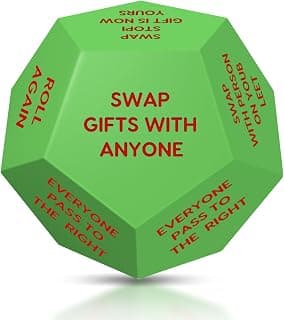
| White Elephant | Stealing and trading items | Competitive Entertainment | Casual parties where humor is prioritized |
| Yankee Swap | Sequential selection and theft | Social Strategy | Groups with high transparency and trust |
In a Secret Santa format, the challenge lies in the research. One must often ask how to come up with good gift ideas when the assigned recipient is someone they may not interact with daily. This encourages proactive social inquiry, which can inadvertently improve workplace culture by breaking down silos.
Strategic Categorization of Gifts
Once a format is selected, the participants must decide on a theme. Themes act as a heuristic, or mental shortcut, that helps individuals narrow down their choices and ensures a level of parity across all gifts. For instance, a "Self-Care" theme might include items like best blue blocker glasses, which provide tangible health benefits for those working long hours in front of screens. This is a practical application of gifting that prioritizes the recipient's well-being over transient novelty.
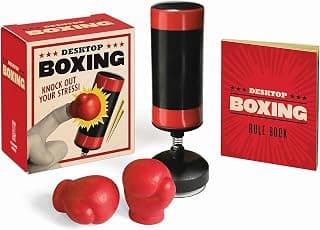
Conversely, some exchanges thrive on the "Novelty Bias." This is where best gag gift ideas become relevant. While these items may have low long-term utility, their immediate emotional value lies in the shared laughter they provoke. However, behavioral experts warn that gag gifts should be used cautiously in professional environments to avoid breaching HR boundaries. When the goal is to provide a comprehensive experience, best gift basket ideas offer a safe and highly perceived value option, as they provide a variety of sensory experiences in a single package.
Professional Settings and Workplace Etiquette
In the office, the goal of a gift exchange is professional rapport. It is crucial to set a strict budget cap to prevent a "wealth signaling" competition. When considering best gift ideas for coworkers, the focus should be on items that enhance the workspace or facilitate a better work-life balance. Neutrality is the diplomat’s greatest tool in this context: avoid highly personal items like perfume or religious iconography, and instead opt for high-quality consumables or ergonomic accessories.
The Principle of Emotional Value over Material Value
A recurring theme in online communities, such as those found on Reddit’s "Thoughtful Gifting" threads, is the rejection of "clutter culture." Users frequently argue that a gift that solves a minor daily problem carries more weight than an expensive but useless trinket. This is the distinction between material price and emotional resonance. A gift exchange that results in a participant receiving something they actually need creates a lasting positive association with the giver and the event.
| Factor | High Material Value | High Emotional Value |
|---|---|---|
| Longevity | May depreciate quickly | Often creates a permanent memory |
| Social Impact | Can cause envy or discomfort | Fosters gratitude and connection |
| Risk Level | High risk of "mismatching" | Low risk if the recipient is well-understood |
The balance of these values shapes the long-term relationship. If an exchange consistently results in participants receiving low-quality items, the tradition may become a source of resentment rather than joy. This is why the best gift exchange ideas often incorporate a "Wishlist" or "Preference Card" to guide participants toward items that will be genuinely appreciated.
Frequently Asked Questions (FAQ)
What is the most popular gift to give on Christmas?
What is the most popular gift to give on Christmas? Gift cards and high-quality consumables like chocolate or coffee remain the most frequently given items due to their near-universal appeal. These items minimize the risk of the "wrong gift" while allowing the recipient the agency to choose their own final product, effectively bypassing the complexities of individual taste.
Is it better to give a practical gift or a fun gift in an exchange?
The answer depends entirely on the group's established culture, but a "utilitarian-fun" hybrid is generally the most successful. Practical items that have a slight luxury or novelty twist provide the satisfaction of a "want" and the longevity of a "need." For example, high-end stationery or specialized tech accessories offer more sustained value than a one-time-use joke item.
How should a budget be determined for a group gift exchange?
A budget should be determined by identifying the lowest common denominator of discretionary income within the group. Setting a price point that is accessible to all members ensures that no participant feels a financial burden, which is essential for maintaining the positive, inclusive spirit of the event. Typically, a range between twenty and fifty dollars is sufficient for most adult gift exchanges.
Operationalizing the Best Gift Exchange Ideas
To successfully launch a gift exchange, the organizer must act as a neutral moderator. Clear communication regarding dates, budgets, and themes is non-negotiable. Furthermore, using digital tools to draw names can eliminate the risk of someone being left out or drawing their own name. By focusing on the structural integrity of the event, the focus shifts from the stress of the process to the enjoyment of the interaction. Ultimately, the best gift exchange ideas are those that prioritize the human element: the laughter, the surprise, and the shared recognition of each participant’s place within the group.
True gifting is a form of communication where the medium is the object and the message is the acknowledgment of the other person’s value.
As you plan your next event, remember that the most successful exchanges are those that allow for a degree of personalization within a secure, structured environment. Whether you are seeking a way to brighten the holiday season or a method to integrate new team members, the strategic application of gift exchange mechanics can transform a simple social gathering into a cornerstone of community identity.








