


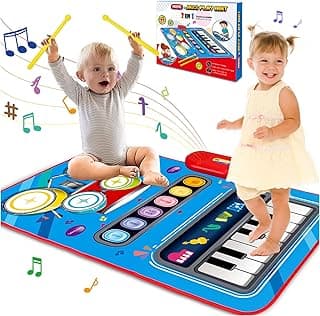

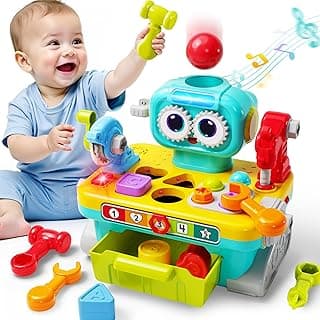
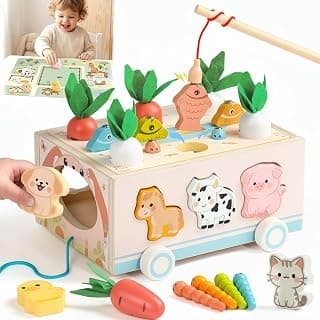
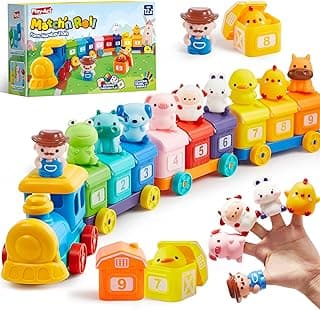
Understanding the Developmental Stage of a One-Year-Old
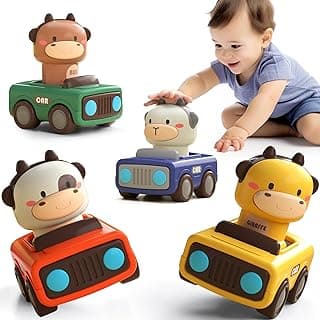
At twelve months, most boys are beginning to master gross motor skills, such as pulling themselves up to stand or taking their first unassisted steps. Cognitive development is equally rapid: the concept of object permanence is firmly established, and the child begins to experiment with "schema" play, which includes actions like dropping, throwing, and containment. Therefore, the best gift for 1 year old boy is often one that permits repeated physical manipulation without the risk of failure or injury.
Sensory Integration and Motor Skill Refinement
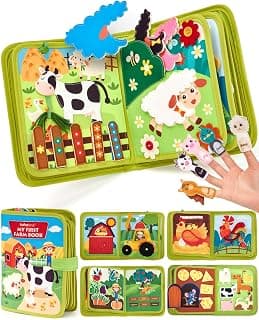
Toys that provide varied tactile experiences are essential. This is the age where fine motor skills, such as the pincer grasp, are being honed. Items that require a child to fit shapes into holes or stack blocks provide the necessary resistance to develop muscle memory and spatial awareness. The goal is to provide a "just right" challenge: difficult enough to engage the child, but simple enough to avoid the frustration that leads to disengagement.
| Developmental Focus | Toy Category | Primary Benefit |
|---|---|---|
| Gross Motor Skills | Push-and-Pull Toys | Encourages walking and balance through physical support. |
| Fine Motor Skills | Stacking and Sorting | Develops hand-eye coordination and spatial reasoning. |
| Cognitive Growth | Interactive Cause-Effect | Teaches logic through immediate feedback (sounds/movement). |
| Sensory Comfort | Textured Soft Items | Provides emotional security and tactile stimulation. |
Criteria for Selecting High-Quality Toddler Gifts
A logical approach to gifting involves assessing material integrity and safety standards. At this age, children continue to explore objects with their mouths, making non-toxic finishes and the absence of small parts (choking hazards) non-negotiable. While one might look for best one year birthday gifts based on current trends, the most effective strategy is to prioritize "open-ended" play. These are items that do not have a single "correct" way to be used, allowing the child's imagination to lead the interaction.
Gifting at twelve months is less about the object and more about the interaction it facilitates between the child and their environment.
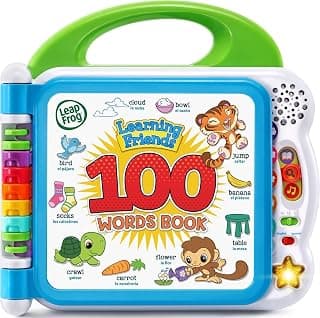
Many experts recommend avoiding overly "loud" electronic toys that perform the play for the child. When a toy does everything, the child becomes a passive observer. In contrast, simple wooden blocks or best toy train sets require the child to be the engine of the play, which is significantly more beneficial for neurodevelopment. This focus on utility is similar to the practical considerations one might apply when researching best-gift-ideas-for-housewarming: the goal is long-term value and daily usability.
Comparing Material Longevity: Wood versus Plastic
The choice of material impacts not only the safety of the child but also the environmental footprint and the "hand-me-down" potential of the gift. The following table compares the two primary materials used in toddler toys.
| Variable | Wooden Toys | Plastic Toys |
|---|---|---|
| Durability | High: Resistant to impact and heavy use. | Variable: Prone to cracking or battery failure. |
| Sensory Quality | Organic: Natural weight and temperature. | Synthetic: Often lightweight and consistent. |
| Safety | Generally safe if using non-toxic paint. | Must be BPA and Phthalate-free. |
| Educational Value | Higher: Encourages active, imaginative play. | Lower: Often encourages passive entertainment. |
Emotional Value versus Material Value in Toddler Gifting
The distinction between the emotional and material value of a gift is often misunderstood. In parenting communities, such as those on Reddit, there is a strong emphasis on "Buy It For Life" (BIFL) principles. A gift with high material value might be expensive, but if it is discarded after three months of use, its actual value is low. Conversely, the best gift for 1 year old boy often possesses high emotional value because it becomes a "transition object" or a cherished part of a daily routine.
The emotional impact of a gift is shaped by the shared experiences it creates. For instance, best soft toys often serve as comfort objects that help a child regulate their emotions during sleep or travel. These items provide a sense of security that far outweighs their retail cost. When analyzing how to come up with good gift ideas, one should ask: Does this gift foster a connection between the giver and the recipient? Will it be remembered as a tool for bonding or simply as another piece of plastic in a toy box?
The true value of a gift is measured by the duration of its engagement and the depth of the memories it creates, rather than the price on the tag.
The Philosophy of Purposeful Gifting
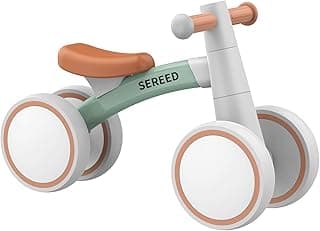
As a professional diplomat in the world of gifting, it is important to acknowledge that the "greatest" gift is subjective. However, evidence consistently points toward items that grow with the child. A convertible balance bike or a high-quality set of building blocks can remain relevant for years. This is a concept often explored when discussing What is the greatest gift to give?: the answer is almost always "opportunity": the opportunity to learn, to move, and to feel secure.
When considering the best gift for 1 year old boy, avoid the temptation of hyperbolic marketing. Instead, focus on the structural integrity of the item and its alignment with pediatric development standards. A well-chosen gift acts as a silent educator, guiding the toddler through the complex process of understanding the physical world.
Frequently Asked Questions about Gifting for Toddlers
Is it better to buy many small gifts or one large, expensive gift for a first birthday?
One large, high-quality gift is generally superior to multiple small items. Infants at this age can easily become overstimulated by an abundance of choices, which can lead to shorter attention spans: a single, well-constructed item allows for deeper engagement and mastery of the specific skills that the toy is designed to develop.
Are electronic toys necessary for modern cognitive development?
No, electronic toys are not a requirement for cognitive growth and can sometimes hinder it if they replace active play. Research in child psychology suggests that "passive" toys like blocks and dolls require the child to be "active" in their thinking, whereas "active" toys with lights and sounds often make the child a "passive" observer, potentially slowing the development of imaginative play.
What is the most important safety feature to look for in a gift for a one-year-old?
The most important safety feature is the size of the components, which must be large enough to prevent ingestion or choking. Specifically, any object or part of an object should be larger than the child's airway: standard testing involves a "small parts cylinder" (often about 1.25 inches in diameter), and any item that fits entirely inside that cylinder is considered a hazard for children under three.
How can I ensure a gift remains useful as the child grows?
Choose "modular" or "open-ended" toys that can be used in different ways as the child's skills evolve. For example, a set of wooden blocks is used for simple grasping at 12 months, for stacking at 18 months, and for complex architectural play by age three, ensuring the gift remains a functional part of the child's life for several years.
In conclusion, the best gift for 1 year old boy is an investment in his future capabilities. By selecting items that prioritize durability, developmental alignment, and emotional connection, the giver provides more than just a toy: they provide a foundational tool for the child's journey into a wider, more complex world.








