




Understanding the Developmental Psychology of a Nine Year Old
According to Piaget’s stages of cognitive development, a nine-year-old is firmly rooted in the concrete operational stage. This means they are increasingly capable of using logic and organized thinking to solve physical problems. They are no longer satisfied by toys that perform a single, repetitive function. Instead, they seek systems that allow for experimentation and mastery. When parents or relatives consider how to come up with good gift ideas, they must prioritize objects that facilitate this need for competence.
Socially, the peer group becomes a central pillar of their identity. Gifts that can be used in a group setting - such as strategy-based kits or shared digital experiences - carry more weight because they assist in social bonding. This is also an age where specific interests begin to solidify into long-term hobbies. Recognizing these burgeoning passions is essential for maintaining a positive relationship between the giver and the recipient.
Gifting at age nine is less about the object itself and more about acknowledging the child’s growing maturity and individual identity.
Analyzing Material Value versus Emotional Value
The distinction between material cost and emotional resonance is a frequent topic of discussion in communities such as Reddit. Many parents observe that high-cost electronics often lose their novelty within weeks, whereas gifts that build a specific skill or facilitate a shared memory maintain their value for years. For example, a high-quality musical instrument like the best youth guitar provides an ongoing challenge that builds self-esteem through discipline and performance.
The emotional value of a gift is derived from the "Underlying Message." A gift that reflects a deep understanding of the boy's personality communicates that he is seen and respected as an individual. Conversely, generic items may satisfy a temporary desire but fail to strengthen the relational bond. When evaluating the best christmas gifts for boys, the focus should be on the longevity of the experience provided by the item.
| Gifting Strategy | Material Impact | Emotional/Relational Impact |
|---|---|---|
| Trend-Based Toys | High immediate gratification, but rapid depreciation in interest. | Signals awareness of current pop culture but offers little deep connection. |
| Skill-Building Tools | Moderate initial cost; requires time investment from the recipient. | Builds long-term self-worth and creates opportunities for mentorship. |
| Experiential Gifts | Low physical footprint; focus on memory creation. | Strengthens the bond through shared time and emotional resonance. |
Technological Engagement: Drones and Digital Logic
For many nine-year-old boys, technology is a primary language. However, there is a logical difference between passive consumption (watching videos) and active engagement (coding or piloting). A device such as the best small drone offers more than just flight; it requires the development of spatial awareness, fine motor skills, and an understanding of physics. These are critical "soft skills" that contribute to a child's overall intellectual growth.
Furthermore, digital systems like best lego games provide a structured environment where a child can practice problem-solving. These games often require players to manage resources, navigate complex environments, and collaborate with others, mirroring real-world challenges in a safe, controlled setting. This type of play is highly beneficial for the development of executive functions.
Logic and spatial reasoning are best developed through interactive play that provides immediate feedback to the user.
Durability and Sustainability in Gifting
A frequent critique found in "repair" and "buy it for life" communities is the short lifespan of modern children's products. When selecting the best gift for 9 year old boy, one must consider the quality of materials. A gift that breaks within days of use creates a sense of frustration and teaches the recipient that objects are disposable. Investing in reputable brands and higher-grade materials ensures that the gift remains functional, potentially even being passed down to younger siblings.
| Category | Recommended Material/Feature | Logic for Selection |
|---|---|---|
| Outdoor Gear | Weather-resistant plastics or aluminum. | Must withstand physical impact and environmental exposure. |
| Science Kits | Reusable laboratory-grade components. | Allows for multiple experiments rather than a single-use experience. |
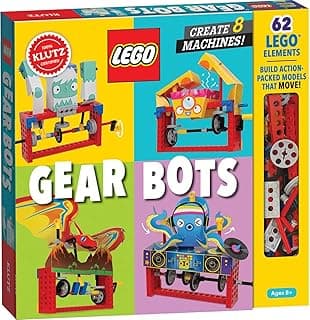
| Building Sets | High-friction interlocking blocks. | Ensures structural integrity and cross-compatibility with existing sets. |
Defining the Underlying Message
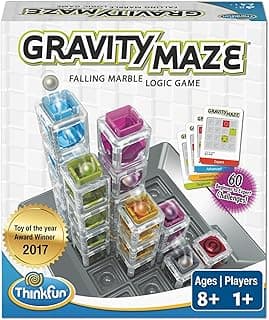
Every gift carries an implicit communication. If a child receives a complex puzzle, the message is: "I believe you are smart enough to solve this." If they receive sports equipment, the message is: "I support your physical health and teamwork." This psychological subtext is often what the child remembers long after the gift has been used. This is why many consider the act of giving to be what is the greatest gift to give: the validation of the other person's potential and interests.
For a nine-year-old, receiving a gift that caters to their specific, perhaps even "niche" interest, acts as a powerful social lubricant. It gives them something to discuss with friends and helps them establish their role within their social circle. As they transition toward the independence of the teenage years, having a solid foundation of hobbies and skills is invaluable. Providing best gift ideas for teens in advance by starting these hobbies early is a strategic approach to parenting and gifting.
Frequently Asked Questions (FAQ)
Is it better to give one expensive gift or multiple smaller ones to a 9 year old?
One high-quality gift is generally superior to multiple smaller items because it encourages deeper focus and more significant emotional investment. Smaller, disparate gifts often lead to overstimulation and a lack of appreciation for each individual item, whereas a singular, substantial gift allows the child to master a specific skill or enjoy a more immersive experience. This approach also emphasizes quality over quantity, a valuable life lesson in consumer behavior.
Should I prioritize educational gifts over purely fun ones?
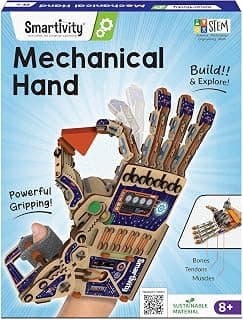
No, the ideal gift should integrate both elements into a seamless experience. The most effective educational tools for nine-year-olds are those where the "learning" is a byproduct of the "fun." For example, building a robot is an entertaining activity that inherently teaches mechanics and coding. Forcing a purely academic gift that lacks an element of play often results in the item being ignored, which ultimately serves no educational purpose.
Is cash an appropriate gift for a nine-year-old boy?
Cash is appropriate only if it is accompanied by a lesson in financial literacy or directed toward a specific savings goal the child has established. While cash provides the ultimate autonomy, it lacks the sentimental connection of a physical gift chosen with thought. If the child is saving for a large item, contributing to that fund can be meaningful, but for most occasions, a tangible item that reflects their personality is more effective at building the relationship between the giver and the recipient.
Final Considerations for Givers
The process of selecting the best gift for 9 year old boy is a balance of psychological insight, logical evaluation of utility, and an appreciation for the child's evolving social landscape. By focusing on items that offer longevity, skill acquisition, and a positive underlying message, givers can ensure their contribution is both valued and impactful. In the end, the most successful gift is one that respects where the boy is today while providing the tools for who he will become tomorrow.








