

The Psychology of Gifting: Why the Best Gift for a Friend's Wedding Matters
Behavioral science suggests that the act of gifting is a primary mechanism for maintaining social cohesion. When choosing a gift, the giver is essentially communicating their perception of the recipient's identity and the value they place on the relationship. A common dilemma arises when considering whether to adhere strictly to the couple's registry or to venture into the territory of best unique wedding gifts.
Registries are designed to solve the problem of "deadweight loss" in gifting, a term used by economists to describe the difference between the price paid for a gift and the value the recipient places on it. However, following a registry can sometimes feel impersonal. Psychological studies indicate that recipients often appreciate the effort of a "surprising" gift more than a requested one, provided the gift aligns with their actual lifestyle. This is particularly relevant when deciding What do I get a couple that has everything?, as the value shifts from material necessity to emotional resonance.
| Gifting Strategy | Advantages | Disadvantages |
|---|---|---|
| Registry Adherence | Guaranteed utility; follows the couple's explicit preferences; minimizes risk of duplication. | Lack of personal touch; purely transactional; does not stand out as a memento of the relationship. |
| Off-Registry Personalized Gift | High emotional impact; demonstrates deep knowledge of the couple; potential for long-term sentimental value. | Higher risk of providing a non-useful item; requires significant research into the couple's current inventory. |
| Cash Contributions | Maximum flexibility for the couple; simplifies the process for the guest; zero deadweight loss. | May feel cold or uncreative; often lacks a tangible memory associated with the giver. |
Analyzing Emotional Value Versus Material Value
The distinction between emotional value and material value is critical in the selection of the best gift for a friend's wedding. Material value is determined by the market price and the durability of the item. In contrast, emotional value is derived from the gift's ability to act as a "relational anchor," reminding the couple of a specific moment or a shared value. Reddit communities focused on minimalism and frugal living often argue that a high-priced item that gathers dust is far less valuable than a lower-cost item that is used daily.
The value of a gift is not found in its price tag, but in its ability to symbolize a shared history between two individuals and their transition into a new life phase.
For instance, a high-quality best leather carry on bag possesses high material value due to the longevity of full-grain leather. However, its emotional value is realized when the couple uses it for their honeymoon, associating the object with their first major excursion as a married pair. When these two values are aligned, the gift becomes an enduring part of the couple's narrative. This logic also applies when looking for the best anniversary gifts for couples later in the relationship, as the foundation of thoughtful gifting is established at the wedding.
Strategic Categories for Wedding Gifts
To identify the best gift for a friend's wedding, one should categorize potential items based on their primary function in the couple's new life. Professional gifting consultants often suggest looking at three main pillars: Utility, Experience, and Heritage.
Utility-Based Gifts: Enhancing the Domestic Environment
Utility-based gifts focus on the practical transition of moving into or upgrading a shared home. These are often the items found on a registry, but a thoughtful guest can identify gaps in a couple's planning. Many couples forget to include high-quality maintenance tools or specialized kitchenware. If the couple is moving into a new residence, selecting from the best gift ideas for housewarming can provide a practical advantage that the couple will appreciate during their first months of cohabitation.
Experience-Based Gifts: Creating Lasting Memories
Many modern couples prioritize experiences over tangible goods. This shift is supported by research indicating that experiential purchases lead to longer-lasting happiness than material ones. Contributions to a "honeymoon fund" or tickets to a high-end culinary course are excellent choices for friends who have limited space or an established household. In these cases, it is helpful to consider What's a good housewarming gift amount? as a baseline for your contribution, adjusting for the depth of your friendship.
Heritage and Sentimental Gifts
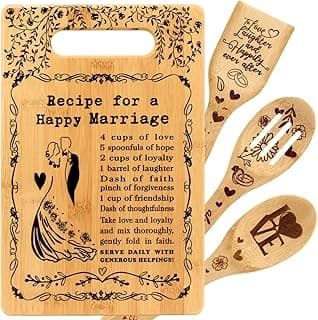
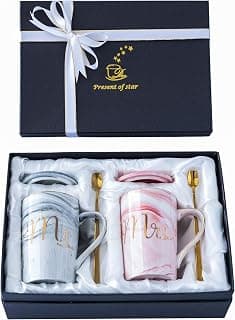
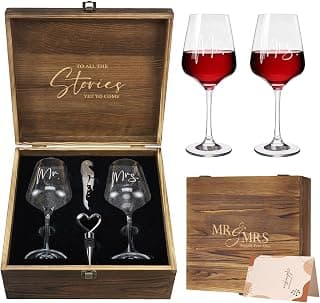
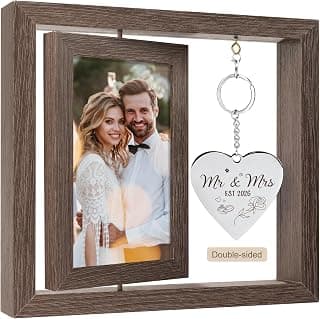
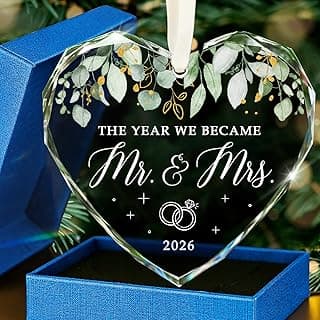
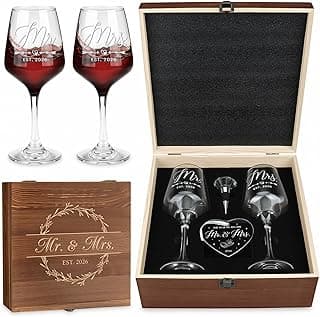
These gifts are designed to be kept for decades. They often involve high-quality materials like silver, solid wood, or hand-blown glass. The goal is to provide an item that could potentially become an heirloom. A custom-engraved piece of art or a high-end clock can serve this purpose, acting as a permanent fixture in the couple's home that commemorates their wedding date.
Frequently Asked Questions (FAQ)
Is it acceptable to give cash as a wedding gift?
Yes, cash is widely considered an acceptable and highly practical wedding gift in most modern cultures. From a logical standpoint, cash eliminates the risk of purchasing an unwanted item and allows the couple to allocate funds toward their highest priorities, such as a down payment on a home or honeymoon expenses. While some may feel it lacks a personal touch, a handwritten note detailing your well-wishes can effectively bridge the emotional gap.
Should I still buy a gift if I am not attending the wedding?
Yes, social etiquette generally dictates that if you receive an invitation to a wedding, you should send a gift regardless of your attendance status. The invitation signifies that the couple considers you an important part of their social circle. Sending a gift, even a modest one, acknowledges the milestone and maintains the strength of the relationship. If the couple is very close to you, you might even consider sending one of the best unique wedding gifts to show that you are there in spirit.
How much should I spend on a friend's wedding gift?
You should spend an amount that is commensurate with your personal financial situation and the closeness of your relationship with the friend. There is no "standard" fee, but historical data suggests that guests typically spend between $100 and $500. A useful rule of thumb is to consider the "cost-per-plate" as a minimum baseline, though this is a social guideline rather than a strict requirement. The focus should always remain on the sincerity of the gesture rather than the monetary value alone.
True gifting involves an understanding of the recipient's future needs, ensuring the item provides value long after the celebration has concluded.
Conclusion
The search for the best gift for a friend's wedding should be guided by a combination of logical assessment and emotional intelligence. By evaluating the couple's living situation, their preference for experiences versus materials, and the history of your friendship, you can select a gift that serves as a meaningful contribution to their new life. Whether you choose a high-utility household item or a sentimental memento, the ultimate goal is to reinforce the social and emotional bonds that make the occasion significant.