









The Logical Framework for Teacher Appreciation
To determine the best gift for a teacher, it is necessary to categorize potential items based on their impact on the educator's environment. The following analysis explores the variables of durability, utility, and social appropriateness. In many cases, parents find that a collective effort results in a more significant impact, often mirroring the logic used when deciding what gifts do employees really want in corporate settings: utility and freedom of choice.
| Gift Category | Pros | Cons | Impact Level |
|---|---|---|---|
| Consumables (Coffee, Gourmet Snacks) | Low clutter, immediate gratification, high utility. | May conflict with dietary restrictions or personal taste. | Short-term / Moderate |
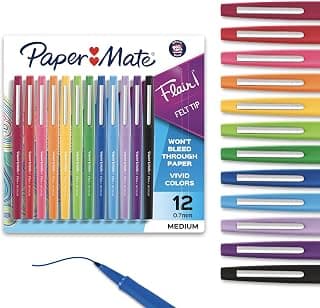
| Classroom Supplies (High-end Pens, Storage) | Directly supports work, reduces personal expenditure. | Can feel "too much like work" if not high quality. | Medium-term / High |
| Experience/Gift Cards | Maximum flexibility, allows for personal leisure. | Can be perceived as less "thoughtful" without a note. | Variable / Very High |
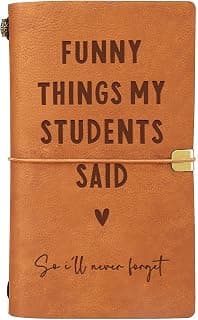
| Handmade Items/Letters | High emotional resonance, zero financial pressure. | Requires physical storage space; can accumulate clutter. | Long-term / Significant |
As the data suggests, there is a clear trade-off between the physical presence of a gift and its functional flexibility. While a physical item can be a lasting memento, the best gift certificates for teachers provide the recipient with the autonomy to address their specific needs, whether those are professional or personal.
Gifting is not a transaction of goods but a communication of value. In the classroom, the most effective gifts are those that acknowledge the teacher as an individual with needs outside of their instructional role.
Evaluating Classroom Utility and Professional Tools
A significant portion of a teacher's personal income is often reinvested into classroom resources. Therefore, providing professional tools can be a highly logical choice. For example, a teacher who spends hours grading may find that the best pen for notes is a simple yet profound upgrade to their daily routine. This follows the principle that high-frequency items offer the greatest return on investment for the giver.
Furthermore, the physical toll of teaching cannot be overlooked. Educators often suffer from digital eye strain and orthopedic fatigue. Logical recommendations might include tools that mitigate these issues, such as the best blue light blocking glasses brands for those managing digital curricula, or even ergonomic assessments. If the goal is to improve their workspace, suggesting the best office chair for good posture as a group gift from the entire class provides a level of comfort that a single student cannot typically provide.
The Balance of Emotional vs. Material Value
In various online communities, such as those found on Reddit, teachers frequently express that the material cost of a gift is secondary to the sentiment behind it. This highlights a critical distinction in the gifting process: the difference between a "social gift" and a "professional tribute."
The "Material Burden" Paradox
There is a psychological phenomenon where physical gifts can become a burden. Teachers often receive dozens of "World's Best Teacher" mugs or decorative trinkets. While well-intentioned, these items create a storage problem. To avoid this, the best gift for a teacher often involves a high material value in a small physical footprint, such as a high-quality best leather tote for carrying supplies, or a purely emotional gift like a handwritten letter of appreciation.
Emotional Reciprocity
The emotional value of a gift is maximized when it demonstrates that the giver has observed and understood the recipient's challenges. A letter detailing a specific instance where the teacher made a difference in a student's life holds more "relationship capital" than a generic store-bought item. This approach aligns with the philosophy of what is the greatest gift to give: the gift of being truly seen and appreciated.
The best gifts for teachers are those that leave a mark on their heart without taking up too much room on their desk.
Logistical Considerations for Group Gifting
When a classroom community organizes a collective gift, it avoids the problem of "gift fatigue" and allows for a higher-tier item. This is often seen as what is a nice client gift in other professional sectors: something substantial, respectful, and high-quality. Collective gifting also reduces the pressure on individual families who may have different financial capacities, ensuring that the gesture remains a positive experience for all parties involved.
Practical Implementation Steps:
1. Observation: Note if the teacher has expressed a need for a specific classroom tool or a personal interest (e.g., a love for a particular coffee shop).
2. Consultation: Speak with other parents or school administrators to ensure the gift adheres to school district policies regarding gift limits.
3. Personalization: Always include a note. The psychological impact of a gift is doubled when accompanied by specific, positive feedback.
4. Timing: While end-of-year and holiday gifts are standard, a mid-term surprise can sometimes have a higher emotional impact because it is unexpected.
Frequently Asked Questions (FAQ)
Is it appropriate to give cash to a teacher?
No, giving direct cash is generally considered inappropriate in a professional educational setting as it can be perceived as a tip or, in extreme cases, a bribe. Instead, use gift cards to specific retailers or a general-purpose visa card, which provides the same financial utility while maintaining the social decorum of a gift. This ensures the gesture is seen as a professional courtesy rather than a financial transaction.
Should I buy a gift for every teacher my child has?
Yes, if your budget allows, providing a small token of appreciation to all teachers, including specialists like art or music teachers, is a fair and logical approach. If resources are limited, a heartfelt, handwritten note for each teacher is actually preferred over a physical gift for one and nothing for the others. The goal is to acknowledge the entire educational support system surrounding the student.
How much should I spend on a teacher gift?
The standard range is typically between 20 and 50 dollars for an individual gift, though this varies significantly by region and school culture. There is no requirement to spend a large amount: the logical value lies in the thoughtfulness of the selection. If the class is contributing to a group fund, a 5 to 10 dollar contribution per student can often result in a very high-quality gift that the teacher will truly value.
What if the school has a no-gift policy?
Respect the policy absolutely, as these rules are often in place to maintain equity and professional ethics. In these instances, the best gift for a teacher is a letter of commendation sent to the school principal and the school board. This professional recognition can have long-term positive effects on the teacher's career trajectory and is a powerful way to express gratitude without violating institutional rules.
In conclusion, the best gift for a teacher is one that balances practical utility with genuine emotional resonance. By focusing on high-quality tools, flexible gift certificates, or sincere letters of appreciation, givers can strengthen the professional bond between home and school while providing educators with the recognition they deserve.








