




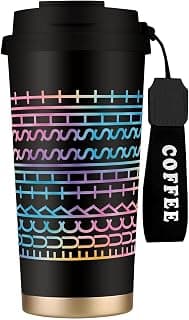



The Psychology of the White Elephant Exchange
At its core, a successful White Elephant gift functions as a social catalyst. Behavioral science suggests that the "stealing" mechanic in these games triggers a psychological response known as the endowment effect, where individuals value an object more highly simply because they have gained possession of it. When a gift is "stolen" multiple times, it creates a feedback loop of perceived value, regardless of the item's actual market price. Therefore, the most effective items are those that trigger immediate desire or high curiosity.
Professional gifting consultants often categorize successful items into three distinct archetypes: the "High Utility" item, the "Absurdist" item, and the "Nostalgia" item. Each plays a different role in the group dynamic. High utility items provide a "safe" anchor for the game, while absurdist items provide the entertainment value that defines the event. To understand how to come up with good gift ideas, one must first analyze the demographic of the group and the specific social environment, whether it is a corporate setting or a close knit circle of friends.
The success of a white elephant gift is measured not by its price tag, but by the number of times it is stolen during the game.
Evaluating Gift Archetypes: Utility vs. Humor
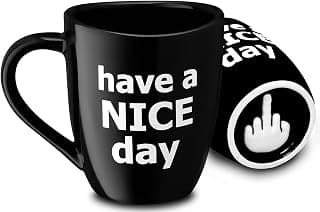
One common mistake participants make is leaning too heavily into "gag" gifts that lack any functional value. While a joke might land in the moment, items that are purely disposable often lead to a sense of "gifting fatigue" among participants. A more sophisticated approach involves finding the "sweet spot" where humor and functionality overlap. For instance, when looking for the best gift ideas for coworkers, a high quality, strangely branded office accessory often performs better than a standard mug.
| Gift Category | Pros | Cons |
|---|---|---|
| Functional Utility | Highly coveted; unlikely to be discarded; maintains long-term value. | Can be perceived as "boring"; less social interaction/humor. |
| Pure Absurdity | High immediate entertainment; creates memorable moments. | Often ends up as "clutter"; low perceived material value. |
| Hybrid (Humor + Use) | Strong social engagement; item remains useful after the event. | Difficult to source; requires more creative effort. |
Insights from Online Communities and Reddit
Reddit communities dedicated to practical living and minimalism often criticize the wastefulness of holiday swaps. A recurring theme in these discussions is the "regift cycle," where low quality items move from one house to another for years without ever being used. To avoid this, many users suggest focusing on consumable goods or high quality tools that the average person wouldn't buy for themselves but would appreciate owning. For example, some participants have found that a best vacuum sealer machine or a high end kitchen gadget can become the most "stolen" item in a room of adults.
The emotional value of a gift in this context is tied to the "story" of the night. If an item causes a lighthearted "feud" between two friends, its value exceeds its retail price. This is why best gag gift ideas that have a functional twist are so effective. They provide the laugh but also the utility. In corporate environments, the best gift ideas for housewarming can often be adapted, such as high quality candles or luxury throw blankets, which offer a sense of "pampering" that appeals to a broad audience.
Gifting is a form of communication; in a group setting, your gift signals your understanding of the collective humor and values.
Emotional Value vs. Material Value
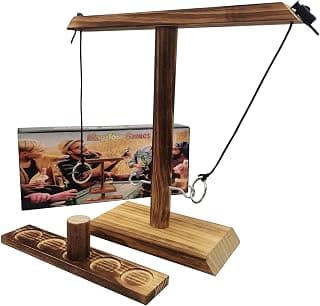
The tension between material cost and emotional impact is never more apparent than in a price capped exchange. When the budget is limited to twenty or thirty dollars, the material value is essentially neutralized. Every participant has spent the same amount. Therefore, the "winner" of the exchange is the person who provides the highest emotional or social value. This is often achieved through "experiential" gifts. If you are wondering, What is a good experiential gift?, consider items that facilitate an activity, such as a set of best board games for adults or a niche DIY kit.
These gifts create a long term relationship between the giver and the recipient because they offer a shared experience even after the party ends. A set of best cleaning cloths might seem mundane, but if presented as the "Ultimate Car Detailer's Kit," it appeals to the practical side of participants while providing a specific utility that many actually need.
Selection Framework: The Direct Answer Approach
When selecting your item, ask yourself: Does this item provoke a reaction within three seconds of being unwrapped? If the answer is no, it may not be the best gift for a white elephant. The visual impact is crucial for the "theatrical" aspect of the game. However, the secondary question is: Will the person still be happy they have this in three months? Balancing these two answers ensures your gift is a success.
Frequently Asked Questions
Is it better to buy a "nice" gift or a "funny" gift for White Elephant?
The most successful strategy is to buy a "nice" gift that is presented in a "funny" way or has a quirky conceptual hook. While a purely funny gift generates an immediate laugh, it is often forgotten once the game ends. A high quality item with universal appeal ensures that the recipient feels they have actually "won" something of value, which fosters better long term social rapport. Items like high quality tech accessories or niche home tools often bridge this gap effectively.
Should I spend more than the suggested price limit?
No, you should strictly adhere to the agreed upon price limit to maintain social equity within the group. Exceeding the budget can create a sense of obligation or awkwardness for other participants who followed the rules. Instead of spending more money, spend more time sourcing an item that has a high "perceived value." High perceived value is achieved through unique packaging, niche utility, or trending items that appear more expensive than their actual retail price.
What are the most commonly "stolen" items in a White Elephant exchange?
Statistically, alcohol, high quality blankets, and small electronics are the most frequently stolen items in mixed groups. This is because they have high universal utility and a clear material value. If you want to contribute to the competitive nature of the game, choosing an item in these categories is a reliable tactic. However, if you want to provide the "best" gift from a creative standpoint, look for items that solve a common problem in a unique or humorous way.
In conclusion, navigating a White Elephant exchange is less about the item itself and more about understanding the social dynamics of the group. By prioritizing a blend of social signaling, functional utility, and psychological engagement, you can ensure that your contribution is the highlight of the event.








