



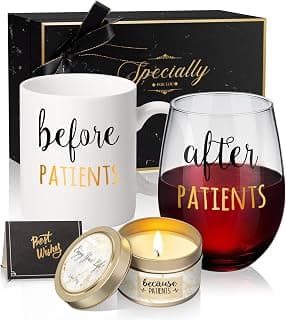
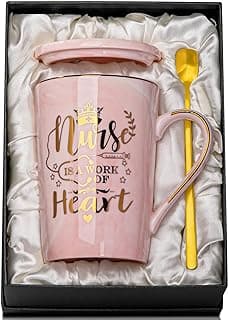
The Psychology of Gifting in Healthcare Environments
The relationship between a healthcare provider and their support network is often strengthened through tactical appreciation. Psychologically, nurses experience high rates of decision fatigue and physical burnout. Therefore, the most impactful gifts are those that either reduce friction in their daily routine or facilitate a state of deep recovery. When analyzing the best gift ideas for a woman or a man in the nursing profession, the focus should shift from aesthetic appeal to functional utility. A functional gift serves as a constant reminder that the giver understands the physical toll of the job.
Nursing is a profession where the body and mind are perpetually in service of others. A gift that returns energy to the nurse is logically superior to one that merely occupies space.
Logic dictates that we categorize these needs into three distinct pillars: physiological support, cognitive efficiency, and psychological restoration. By addressing one of these areas, the giver ensures the item will be used rather than stored away. This approach is particularly relevant when considering the best gift ideas for coworkers in a clinical setting, where practical tools are often more valued than decorative trinkets.
Physiological Support: Combatting Physical Exhaustion
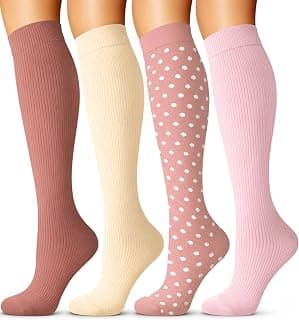
The primary physical challenge for a nurse is the sheer volume of time spent on their feet. Occupational health data indicates that nurses can walk several miles during a single shift. Consequently, the best gift for nurses often involves items that mitigate lower-limb fatigue or support overall body alignment. High-grade compression garments, ergonomic footwear accessories, and recovery tools are high-utility options. For those looking for a significant investment in a nurse’s long-term health, looking at the best massage chairs can be a transformative choice, providing a mechanical solution to muscle tightness that develops over years of service.
| Gift Category | Functional Benefit | Psychological Impact |
|---|---|---|
| Recovery Tools | Reduces muscle inflammation and lactic acid buildup. | Signals that the giver prioritizes the recipient's health. |
| Hydration Systems | Ensures consistent cognitive performance via hydration. | Reduces the physical stress of dehydration during shifts. |
| Smart Tracking | Monitors sleep quality and cardiovascular strain. | Encourages self-care and data-driven rest. |
Cognitive Efficiency and Workplace Utility
Nurses must process a vast amount of data in short periods. Anything that streamlines their workflow or protects their cognitive resources is highly valued. For instance, the transition to electronic health records has increased the time spent looking at monitors. In this context, providing the best blue blocker glasses is a logical choice to reduce digital eye strain and improve sleep quality after a night shift. Furthermore, time management is critical in nursing. A reliable best activity tracker for women or men allows for precise tracking of medication intervals while also monitoring the nurse's own exertion levels.
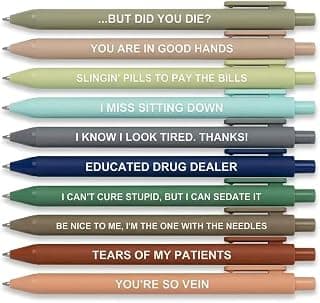
When discussing what is a nice client gift in the context of a nurse-patient relationship, one must be careful to avoid items that are overly personal or violate institutional policies. Small, high-quality utility items, such as premium pens or heavy-duty clipboards, often strike the correct balance between professional respect and personal gratitude.
Emotional Value versus Material Value
The "Thoughtful Gifting" communities on platforms like Reddit often emphasize that for nurses, the emotional resonance of a gift often outweighs its price tag. A nurse frequently feels like a cog in a massive healthcare machine. A gift that recognizes their individuality or offers an escape from the clinical environment has immense emotional value. This is where the concept of the experiential gift becomes relevant. Many people ask, what is a good experiential gift for someone with a demanding schedule? The answer usually involves time-saving services, such as meal delivery kits or professional cleaning services, which return the gift of time to the recipient.
Feedback from nursing forums suggests that the most hated gifts are those that require extra work to maintain, such as high-maintenance plants or complex gadgets that require a steep learning curve.
The long-term impact on the relationship is governed by the "Utility-Reciprocity" loop. When a nurse uses a gift daily, such as a high-quality insulated tumbler or a comfortable pair of shears, they are reminded of the giver's support in a positive, stress-reducing context. This builds a deeper bond than a luxury item that is used once and then forgotten.
Frequently Asked Questions (FAQ)
Is it appropriate to give a nurse a gift card?
Yes, gift cards are highly appropriate because they offer the recipient the autonomy to choose what they need most at a given time. Nurses often have very specific preferences for their gear, such as the exact brand of stethoscope or the specific type of scrub fabric they find comfortable. A gift card to a specialized medical supply store or a general retailer allows them to fulfill these technical requirements without the giver needing to guess complex specifications.
What is the best gift for nurses who work night shifts?
The best gift for night shift nurses is anything that facilitates high-quality sleep during daylight hours. This includes items like premium blackout curtains, high-fidelity white noise machines, or specialized eyewear. Since their circadian rhythms are perpetually challenged, tools that help regulate sleep hygiene are considered the gold standard for this specific demographic. Reducing light pollution and noise at home directly translates to better performance and safety at the hospital.
Should I avoid giving food or treats to nursing staff?
It is generally better to avoid perishable or sugary treats unless you are certain of the staff's dietary restrictions and the hospital’s hygiene policies. While the "pizza party" is a common trope, many nurses prefer gifts that promote long-term wellness rather than short-term glucose spikes. If food is provided, it should be in the form of healthy, pre-packaged, and easily consumable snacks that can be eaten quickly during a short break. High-quality coffee or tea remains a safer and more logical alternative for the majority of healthcare professionals.
Conclusion: The Logic of Appreciation
Ultimately, the best gift for nurses is one that acknowledges the reality of their daily existence. By focusing on physical recovery, cognitive support, and the return of personal time, the giver moves beyond superficiality into a realm of genuine support. Whether it is a sophisticated piece of technology to monitor their health or a simple tool to reduce eye strain, the focus must remain on the recipient’s well-being. In a profession dedicated to the care of others, being the one who cares for the nurse is the highest form of gifting.








