











The Psychological Framework of Parental Gifting
Behavioral science suggests that as parents age, their value systems often shift from "possession acquisition" to "legacy and utility." This transition means that gifts which clutter a home or require complex maintenance are often perceived as a burden rather than a benefit. Instead, the most impactful choices are those that either reduce daily friction or enhance the quality of time spent together. For instance, when considering best gift ideas for a woman who is a mother, the psychological impact of a gift that validates her individual interests, rather than just her domestic role, is significantly higher.
Furthermore, the concept of "reciprocal altruism" plays a major role. Parents have spent decades providing for their children. When the roles reverse, a gift that is too extravagant can sometimes trigger a "debtor" response, leading to discomfort. The goal is to find a balance where the gift feels like a natural extension of the child's care and gratitude. This is why many families find success in what to gift to parents on an anniversary by focusing on items that celebrate their enduring partnership.
Gifting to parents is not about repayment for the past, but about acknowledging their presence and their evolving needs in the present.
Analyzing Gift Variables: Structure and Utility
To determine the most appropriate choice, we must compare different gift categories across several key metrics: emotional resonance, practical utility, and the requirement for "mental bandwidth" (the effort required to use or maintain the gift).
| Gift Category | Emotional Resonance | Practical Utility | Maintenance Level |
|---|---|---|---|
| High-Utility Durable Goods | Moderate | Very High | Low |
| Experiential Gifts | High | Low (Utility) / High (Joy) | None |
| Sentimental/Custom Items | Very High | Low | Low |
| Smart Technology | Moderate | High | High (Setup required) |
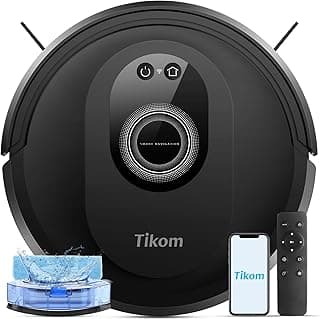
High-utility durable goods, such as the best home vacuum, serve as excellent choices for parents who value efficiency. While such a gift may seem unromantic, reducing the physical labor required to maintain a household is a profound gesture of care. In professional circles, this is known as "friction reduction gifting."
Addressing the Challenges of "The Parents Who Have Everything"
A frequent query directed at gifting consultants involves what to buy older parents that have everything. In these scenarios, the focus should shift from "what they need" to "what they would never buy for themselves due to perceived indulgence." This might include professional-grade kitchen appliances, high-end bedding, or sophisticated home monitoring systems. For parents still engaged in professional or creative work, a best monitor for working from home can provide a significant ergonomic upgrade that they might overlook themselves.
Reddit's "Buy It For Life" (BIFL) communities often emphasize that for older generations, quality is a form of respect. A cheaply made item that breaks within a year is often seen as a lack of thoughtfulness. Investing in a single, high-quality item is always superior to a basket of low-quality novelties. This logic applies whether you are searching for a best gift to mother on mothers day or a retirement gift for a father.
The Principle of Emotional Value over Material Value
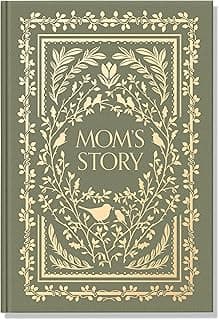
While material gifts occupy physical space, emotional value occupies psychological space. The distinction is critical for maintaining long-term healthy relationships. A material gift is a transaction; an emotional gift is an investment in the relationship's narrative. When parents receive a gift that reflects a deep understanding of their personal history or current hobbies, it reinforces their sense of being seen and understood by their adult children.
For example, a gift that facilitates a family gathering, such as best backyard pools for families, provides a venue for multi-generational interaction. The material cost of the pool is secondary to the emotional value of the memories created within it. This balance is essential: the gift should be a tool for connection, not just a standalone object. Professionals suggest that the what is the greatest gift a parent can give a child is often their time and values; conversely, the greatest gift a child can give a parent is the validation of those values through thoughtful recognition.
The most enduring gifts are those that lower the barriers to family connection or solve a recurring problem in the recipient's daily life.
Life Stage Considerations: From New Parents to Seniors
The best gift ideas for parents must be calibrated to their specific life stage. Young parents often suffer from sleep deprivation and a lack of personal time, making time-saving gadgets or childcare services highly valuable. Middle-aged parents may be focusing on home improvement or health, where high-quality wellness equipment or home upgrades are appreciated.
For senior parents, safety and comfort become the primary drivers. A best digital clock for bedroom with high visibility and easy-to-read interfaces is a practical choice that assists with daily orientation without being patronizing. The goal is to provide assistance that maintains the recipient's dignity and independence.
Frequently Asked Questions (FAQ)
Is it appropriate to give money as a gift to my parents?
No, providing cash to parents is generally discouraged in professional gifting etiquette as it can inadvertently shift the power dynamic and cause feelings of inadequacy or discomfort. Unless there is an explicit financial crisis, it is better to provide a gift card to a specific high-end service or to pay for a recurring utility or subscription on their behalf, which feels like a supportive gesture rather than a handout.
What is the most common mistake when buying gifts for parents?
The most common mistake is projecting one's own tastes or tech-savviness onto the parents. A highly complex smart home system might be exciting for a 30-year-old but frustrating for a 70-year-old. Always evaluate the "onboarding cost" of a gift: if the parent has to spend hours reading a manual or calling tech support, the gift has failed to provide value. The best gift ideas for parents are those that are intuitive and immediately functional.
How do I handle parents who insist they want nothing?
You should interpret "nothing" as a request for "nothing material that creates work." In these instances, focus on consumables (high-quality foods, wines, or luxury skincare) or experiences (theatre tickets, restaurant vouchers). These gifts provide the pleasure of the experience without the long-term commitment of physical storage. Another effective strategy is the "upgrade" gift: replacing an old, worn-out item they use every day with a superior version of the exact same thing.
In summary, successful gifting for parents requires a move away from the "more is better" philosophy. By focusing on quality, psychological comfort, and legacy, children can select gifts that act as meaningful chapters in their ongoing family story. Whether it is a high-utility appliance or a curated experience, the underlying message should always be one of recognition, respect, and enduring care.