










The Psychology of Professional Appreciation in Education
Teachers operate in an environment characterized by high cognitive demand and constant social interaction. Psychologically, the most effective gifts are those that acknowledge this labor without adding to the recipient's logistical burden. Research into workplace appreciation suggests that employees, including educators, derive more satisfaction from gifts that provide either professional empowerment or physical relief. This is why many experienced educators advocate for items that streamline their daily routines or offer a moment of respite. When analyzing how to come up with good gift ideas, one must consider the environment in which the teacher spends the majority of their time: the classroom and the home office.
The most impactful professional gifts do not necessarily command the highest price point, but rather demonstrate an acute awareness of the recipient's daily challenges and professional aspirations.
From a behavioral standpoint, a gift often functions as a form of social validation. For a teacher, knowing that their pedagogical efforts have been recognized by a parent or student can reinforce their commitment to the profession. However, the materiality of the gift can sometimes overshadow the sentiment. To avoid this, it is necessary to compare the different categories of gifts based on their long-term impact on the recipient's life and work environment.
| Gift Category | Impact on Recipient | Logistical Consideration | Professional Appropriateness |
|---|---|---|---|
| Aesthetic Trinkets | Low: Often leads to clutter. | Negative: Requires storage. | Moderate: Can feel generic. |
| Professional Tools | High: Enhances work efficiency. | Positive: Replaces inferior items. | High: Acknowledges the craft. |
| Consumables | Moderate: Provides immediate utility. | Neutral: Does not create long-term clutter. | High: Safe and universally appreciated. |
| Discretionary Funds | Very High: Provides empowerment. | Positive: Zero physical footprint. | Very High: Statistically the most requested. |
Functional Excellence: Tools That Support the Educator
When selecting the best gift to give a teacher, prioritizing functional excellence is a logically sound strategy. Teachers spend hours grading, planning, and managing digital interfaces. Consequently, ergonomic and high-quality utility items offer significant value. For instance, a teacher who spends extensive time under fluorescent lights or in front of computer screens may find that best blue blocker glasses significantly reduce digital eye strain and improve overall comfort during long grading sessions.
Similarly, the physical logistics of moving materials between home and school cannot be overlooked. A durable and organized best leather tote provides a professional solution for transporting laptops, textbooks, and student papers. Unlike fabric bags that may deteriorate under heavy weight, leather offers structural integrity and a professional aesthetic that aligns with the educator's role. Furthermore, the tactile experience of using high-quality writing instruments, such as the best black pens, can transform the repetitive task of grading into a more pleasant and precise activity.
Gifting utility is an act of empathy: it shows you recognize the physical and mental stamina required to manage a classroom effectively.
Emotional Value versus Material Value
A recurring theme in online educator communities, such as those found on Reddit, is the "materiality paradox." Teachers often report receiving numerous "World's Best Teacher" mugs or scented candles, which, while well-intentioned, eventually become a source of stress due to limited storage space. In these discussions, the consensus is clear: the emotional value of a gift is not tied to its price, but to its authenticity and the lack of burden it places on the recipient.
The emotional value is highest when a gift includes a handwritten note. This letter serves as a permanent record of the teacher's impact, which is often cited as the primary reason individuals enter the profession. When considering what is the greatest gift to give, a combination of a heartfelt letter and a practical item like best gift certificates for teachers strikes the perfect balance. The certificate provides the teacher with the autonomy to purchase exactly what they need, whether it is classroom supplies or a personal indulgence, while the note provides the psychological affirmation they deserve.
The Burden of the Trinket
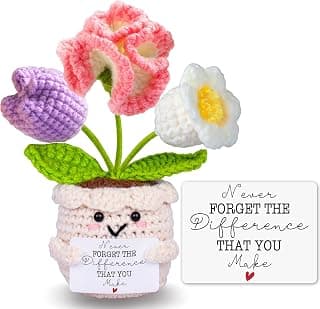
Logistically, teachers have limited space in their classrooms and homes. A physical object that serves no functional purpose and lacks deep personal connection becomes a "logistical debt." If the recipient feels obligated to keep an item they do not want, the gift creates negative emotional weight. This is why consumables (high-quality coffee, gourmet snacks) or digital gifts are often rated higher in teacher satisfaction surveys than permanent knick-knacks.
Direct Answer Framework: Teacher Gifting FAQ
Is a gift card considered an impersonal gift for a teacher?
No. While some perceive gift cards as lacking effort, they are statistically the most requested items by educators because they provide the recipient with the power of choice. In a profession where personal budgets are often stretched to cover classroom needs, a gift card is a practical and highly appreciated form of support that respects the teacher's individual preferences.
Should I avoid giving gifts with the school logo?
Yes. Teachers are already surrounded by school branding on a daily basis. Gifting an item that is synonymous with their workplace often fails to provide the necessary mental separation between their professional identity and their personal life. It is more effective to choose high-quality items that reflect their professional status without being redundant to the supplies already provided by the institution.
Is there a specific monetary limit for teacher gifts?
Yes, though it varies by jurisdiction. Many school districts have strict ethical guidelines and legal limits (often ranging from 20 to 50 dollars) to prevent the appearance of bribery or favoritism. It is essential to verify local policies before purchasing an expensive item. In many cases, a group gift from the entire class is the most professional way to provide a high-value item while adhering to ethical standards.
Conclusion: The Strategy of Thoughtful Appreciation
Ultimately, the best gift to give a teacher is one that honors their professional contribution without infringing on their personal space or professional ethics. By focusing on high-quality utility items, respectful consumables, or empowered discretionary spending, the giver ensures that the gesture is received with genuine gratitude. When the material gift is accompanied by a sincere expression of appreciation for the teacher's impact on a student's life, the relationship between the home and the school is strengthened, creating a positive feedback loop that benefits the entire educational ecosystem.








