



Psychological Foundations of Gifting for Toddlers
Psychologically, a one-year-old is developing a sense of autonomy. They are beginning to understand cause and effect, such as realizing that pushing a button produces a sound or that dropping an object results in it hitting the floor. This stage is crucial for building confidence. When searching for best one year birthday gifts, one should look for items that offer "high affordance," a term used in perceptual psychology to describe objects that clearly communicate how they can be used.
| Developmental Category | Specific Skills Targeted | Ideal Gift Examples |
|---|---|---|
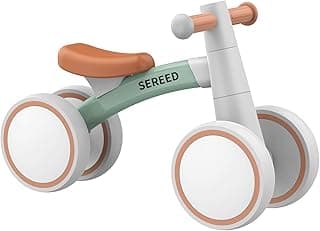
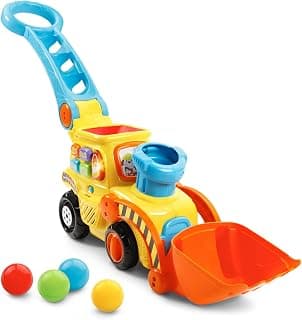
| Gross Motor | Walking, balance, coordination | Push-walkers, ride-on toys |
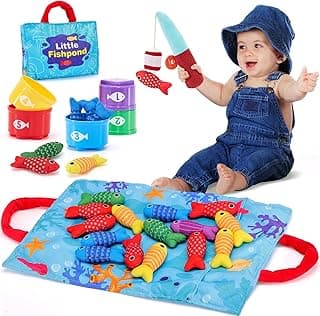
| Fine Motor | Pincer grasp, hand-eye coordination | Stacking cups, large building blocks |
| Cognitive/Sensory | Object permanence, cause and effect | Activity cubes, sensory bins |
| Social/Emotional | Empathy, imaginative play | Dolls, plush animals, mirrors |
Logical analysis suggests that toys with flashing lights and loud, repetitive sounds are often less effective than simple, open-ended toys. Over-stimulation can lead to decreased attention spans. In contrast, toys that require the child to be the "engine" of play, such as a wooden cart or a set of blocks, foster deeper concentration and creative problem-solving skills.
The value of a toy is inversely proportional to what the toy can do. If the toy does everything (lights, sounds, movement), the child does nothing. If the toy does nothing, the child must do everything.
Evaluating Material Value vs. Emotional Value
A common debate within online parenting communities, specifically on platforms like Reddit, is the conflict between the retail cost of a gift and its actual impact. Many parents note that at a first birthday party, the child is often more interested in the wrapping paper or the box than the expensive electronic gadget inside. This observation aligns with behavioral science: a one-year-old does not possess the cognitive framework to understand brand prestige or monetary value.
The emotional value of a gift for a one-year-old is largely held by the parents and the "future self" of the child. A high-quality heirloom item, such as a sturdy wooden rocking horse or a personalized storybook, serves as a bridge between generations. When considering What is the greatest gift for all?, the answer often lies in the memories created and the developmental milestones supported, rather than the price tag. Material value depreciates quickly, but a gift that facilitates a bonding moment between a parent and child provides a high return on emotional investment.
| Feature | Material-Focused Gifts | Emotional/Developmental Gifts |
|---|---|---|
| Primary Goal | Immediate "wow" factor, trendiness | Long-term engagement, skill building |
| Lifespan | Usually short (3 to 6 months) | Multi-year utility or heirloom status |
| Social Impact | Individual, passive entertainment | Encourages parent-child interaction |
| Relationship Value | Demonstrates purchasing power | Demonstrates understanding of the child |
Selection Criteria for the Best Gifts for 1 Year Old
To identify the most appropriate items, a Gifting Consultant uses a structured framework. First, assess the safety standards (ASTM or EN71 compliance). Second, evaluate the "longevity of play." A gift like best soft toys might offer comfort for years, whereas a specific themed toy might be outgrown in weeks. Third, consider the environment. If the parents live in a small apartment, a large plastic playhouse might be a burden rather than a blessing.
For those looking toward the future, such as considering best gift ideas for teens, it is interesting to note that early childhood play patterns often predict later interests. A child who enjoys building blocks at age one may develop the spatial awareness necessary for engineering or architecture later in life. Even something as simple as best childrens guitar (specifically designed for toddlers) can ignite an early interest in rhythm and auditory patterns.
Gifting is a social contract. When you give to a child, you are actually communicating your respect for the parents' journey and your commitment to the child's growth.
Direct Answer Framework: Frequently Asked Questions
Is it necessary to spend a lot of money on a first birthday gift?
No, the monetary value is irrelevant to a one-year-old's developmental needs or enjoyment. Research in child psychology indicates that toddlers are more engaged by the sensory properties of an object (texture, weight, sound) than its retail price. A modest, well-chosen sensory toy often provides more educational value than an expensive electronic device that lacks interactive depth.
What is the safest material for toddler gifts?
Natural materials, specifically solid wood with non-toxic, water-based finishes and food-grade silicone, are the safest options for one-year-olds. At this age, oral exploration is still a primary way children learn, meaning they will likely put the gift in their mouths. Avoiding cheap plastics that may contain BPA, phthalates, or lead is a logical safety requirement for any responsible gift-giver.
Should I follow the four gift rule for a one year old?
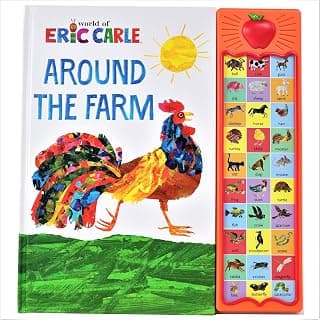
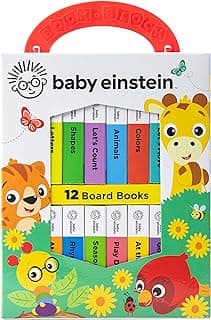
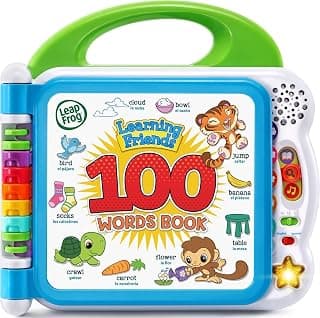
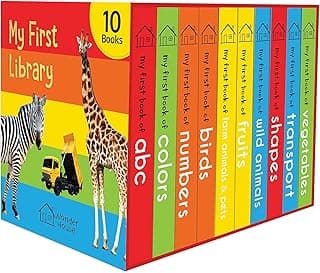
Yes, adopting a structured approach like the what is the four gift rule for birthdays? (something they want, something they need, something to wear, and something to read) is highly beneficial. This framework prevents over-consumption and ensures a balanced contribution to the child's life. It helps parents manage clutter while ensuring the child receives diverse stimuli, from literacy to practical necessities.
Final Synthesis for the Discriminating Giver
Choosing the best gifts for 1 year old recipients requires a move away from impulse buying toward a more analytical, psychological approach. By focusing on the sensorimotor needs of the toddler and the emotional priorities of the family, the gift becomes a meaningful tool for connection. Whether it is a set of blocks to build their first tower or a beautifully illustrated book to end their day, the impact of a thoughtful gift resonates far beyond the initial celebration.
Ultimately, the objective is to select an item that respects the child's current abilities while gently challenging them to reach the next stage of development. In the world of gifting, intelligence and empathy are the most valuable assets a consultant can offer.








