



Understanding Cognitive and Physical Utility in Toddler Gifts
At this age, the distinction between "active toys" and "passive toys" is critical. Passive toys, which perform actions at the push of a button, often limit a child’s engagement to a reactive state. In contrast, active toys require the child to be the primary mover, fostering problem-solving skills and spatial reasoning. For example, best toy train sets are highly effective because they require manual assembly, hand-eye coordination, and the creation of a narrative, which supports cognitive expansion.
| Toy Category | Developmental Focus | Impact on Neural Pathways |
|---|---|---|
| Manipulative/Stacking | Fine Motor and Logic | Strengthens hand-eye coordination and cause-and-effect reasoning. |
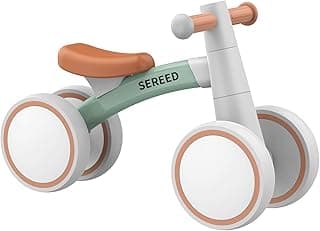
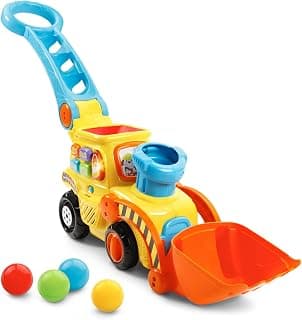
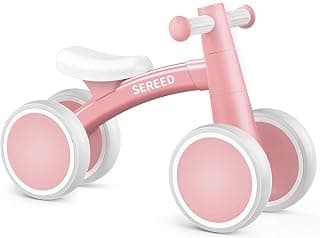
| Gross Motor/Push-Pull | Physical Balance | Supports muscle development and spatial awareness during locomotion. |
| Symbolic/Imitative | Social-Emotional | Encourages empathy and the understanding of daily routines through role-play. |
When selecting the best gifts for 18 month old toddlers, one must also consider the "Zone of Proximal Development." This refers to the gap between what a child can do alone and what they can do with guidance. A gift that is slightly challenging but achievable with a parent’s help creates an opportunity for bonding and "scaffolding," where the adult provides the necessary support for the child to reach a new skill level.
The Principle of Emotional Value over Material Value
In the modern gifting landscape, there is a common tendency to prioritize high-tech or expensive items. However, insights from parenting and practical living communities, such as those on Reddit, emphasize that the emotional durability of a gift often outweighs its price tag. The best gifts for 18 month old children are those that foster long-term interaction rather than short-term novelty. A simple set of best soft toys can provide years of comfort and emotional regulation, acting as "transitional objects" that help children manage separation anxiety.
The true value of a gift for a toddler is measured by the hours of shared exploration it facilitates, not the complexity of its design. A gift that encourages a parent to sit on the floor and engage with their child creates lasting neural connections related to security and love.
The relationship between the giver and the recipient is shaped by these shared experiences. When a gift requires joint participation, it reinforces the child's sense of belonging. What is the greatest gift to give? Logically, it is the gift of undivided attention. By choosing items that require adult interaction, the giver is essentially gifting a shared memory, which has a far more profound impact on the child's development than a solitary electronic device.
Analyzing Material Selection and Safety Standards
Safety and material integrity are non-negotiable variables when selecting items for this age group. Toddlers still explore objects orally, making non-toxic, BPA-free, and lead-free materials a priority. Durability is also a key factor; 18-month-olds are often forceful in their play, testing the limits of physical objects through dropping, throwing, and banging. High-quality materials such as solid wood or heavy-duty food-grade silicone are preferred over brittle plastics.
| Material Type | Pros | Cons |
|---|---|---|
| Natural Wood | Highly durable, tactilely stimulating, and eco-friendly. | Can be heavy; requires non-toxic finishes. |
| Food-Grade Silicone | Soft, flexible, easy to clean, and safe for teething. | Can attract lint/dust; less structural for building. |
| Recycled Plastic | Lightweight, colorful, and often dishwasher safe. | Lower weight makes it less stable for stacking. |
Furthermore, the aesthetic of the gift should not be ignored. Neutral tones and natural finishes are often less overstimulating than bright, flashing lights and loud sounds. Overstimulation can lead to fatigue and irritability in toddlers, whereas simpler designs allow the child’s imagination to take center stage. For instance, best dino toys that are realistically shaped but silent allow the child to provide the sound effects and the story, which is a core component of healthy psychological development.
Social Dynamics and the Role of Imitative Play
Around eighteen months, toddlers begin to observe and mimic the actions of the adults in their lives. This is a crucial step in socialization. Gifts that mirror adult tools, such as miniature kitchen sets, cleaning kits, or garden tools, are excellent for this stage. These toys allow the child to participate in the "real world" in a safe and manageable way. This type of play builds confidence and a sense of competence.
The decision to buy a gift for a toddler often involves navigating the desires of the parents as well. When considering best-gift-ideas-for-teens, the focus is on individuality; however, for toddlers, the gift must integrate into the household's environment. Practicality, such as ease of storage and cleaning, will determine how often the toy is actually utilized. A gift that is a burden to the parents is less likely to be a benefit to the child.
Toddlers do not distinguish between 'play' and 'work.' To them, sweeping with a small broom or 'cooking' with blocks is a serious endeavor to understand how the world functions.
What is the greatest gift a parent can give a child? While developmental toys are important, the greatest gift remains the environment of safety and encouragement that these toys help create. By providing the right tools at the right time, you are supporting the child's journey toward independence.
Frequently Asked Questions
Is it better to buy many small gifts or one large gift for an 18-month-old?
One large, high-quality gift is generally superior to multiple small items because toddlers have limited attention spans and can become easily overwhelmed by too many choices. Focusing on a single, well-chosen item that offers multiple ways to play promotes deeper engagement and mastery. From a behavioral perspective, providing fewer toys at once encourages a child to explore every facet of an object, which builds persistence and focus.
Should I avoid all electronic toys for a toddler?
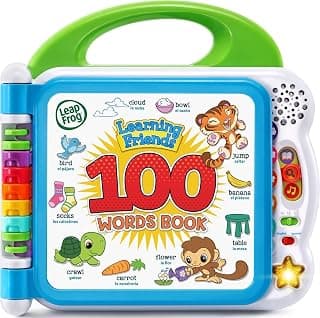
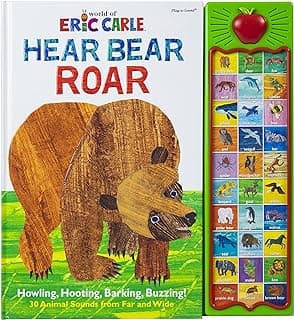
No, you do not need to avoid all electronic toys, but they should be used sparingly as supplements to, rather than replacements for, physical play. The primary concern with electronic toys is that they often take the "work" out of play, leading to passive consumption rather than active creation. When choosing an electronic gift, look for those that require the child to input information or make a choice to trigger a response, rather than those that simply play pre-recorded content continuously.
How do I know if a gift is too advanced for an 18-month-old?
A gift is likely too advanced if it requires complex fine motor skills that the child has not yet mastered, such as small buttons, intricate latches, or instructions that require abstract logic. If a child becomes frustrated and abandons the toy within minutes, it may be beyond their current developmental threshold. However, a toy that is slightly challenging can be beneficial if an adult is present to help, as this encourages social interaction and learning. Always check the manufacturer's age recommendations, but use your knowledge of the specific child's current milestones as the ultimate guide.








