



Understanding the Developmental Milestones of a Two Year Old
To identify the most effective gift, one must first understand the recipient's developmental stage. By age two, most boys are refining their ability to walk, run, and climb. This physical energy must be channeled into activities that promote balance and coordination. Simultaneously, their cognitive landscape is shifting toward symbolic play, where an object can represent something else entirely. This is quite different from the gift requirements of older age groups, such as the best gift ideas for teens, where social identity and technology play a much larger role.
Psychologically, the two year old is navigating the conflict between a desire for independence and a need for security. Therefore, gifts that allow for "mastery" – such as building a tower or successfully navigating a tricycle – provide a significant boost to their emerging self-esteem. Logical reasoning suggests that the most impactful gifts are those that offer a "low floor" for entry but a "high ceiling" for creative complexity.
| Milestone Category | Specific Skill Development | Recommended Gift Logic |
|---|---|---|
| Physical / Motor | Gross motor (running, kicking) and fine motor (stacking, turning) | Balance bikes, large balls, or manipulative blocks. |
| Cognitive / Creative | Problem-solving and symbolic thought processes | Puzzles, sorting games, and imaginative playsets. |
| Social / Emotional | Empathy development and cooperative play imitation | Dolls, plush items, or shared activity equipment. |
The Psychology of Sensory and Constructive Play
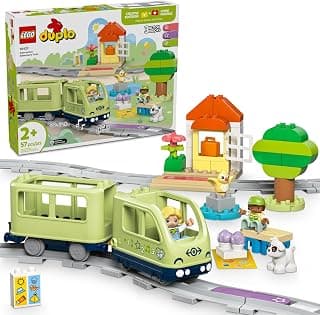
Research in behavioral science indicates that boys at this age are particularly drawn to cause-and-effect relationships. This is why mechanical and constructive toys remain a staple in developmental psychology. For instance, best toy train sets are not merely hobbyist items: they are tools for understanding spatial geometry and physics. The act of connecting tracks requires precision, while the movement of the train provides immediate visual feedback on the child's success.
Furthermore, many toddlers develop "extremely intense interests," often centered around vehicles or animals. Science suggests that these obsessions help children categorize the world. Providing high-quality, durable versions of their interests, such as the best dino toys, allows them to engage in deep, focused play that strengthens neural pathways associated with memory and classification.
Analyzing Emotional Value vs. Material Value
In the modern gifting landscape, there is a recurring debate within communities like Reddit regarding the quantity of gifts versus their long-term utility. Many parents in "minimalist living" or "practical parenting" forums argue that a single high-quality item that grows with the child is far superior to a dozen "flashy" plastic toys that are discarded within weeks. This brings us to a core GiftPick principle: the emotional value of a gift is derived from the experiences it facilitates, not its price tag.
When you consider how to come up with good gift ideas, the focus should remain on the "shared experience." A gift that encourages a father and son to build together or a mother and son to read together creates a lasting psychological anchor. This bond is the true "material" of the gift, while the object itself is merely the catalyst.
| Value Type | Characteristics | Long-term Impact on Relationship |
|---|---|---|
| Material Value | Focuses on brand, price, and immediate visual "wow" factor. | High initial excitement but rapid decline in interest and utility. |
| Emotional Value | Focuses on the interaction, comfort, and shared memories. | Strengthens the attachment bond and provides comfort during transitions. |
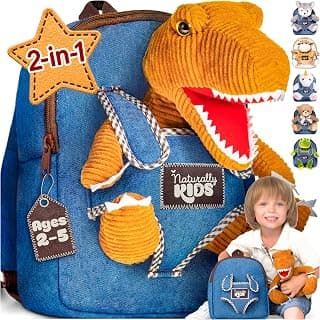
For example, providing best soft toys might seem simple, but for a two year old, a specific plush can become a "transitional object." This object helps the child navigate anxiety and sleep transitions, carrying immense emotional weight that far exceeds its production cost. This is often what is the greatest gift a parent can give a child: the tools for emotional self-regulation and security.
Durability and Safety: The Technical Requirements
From a logistical standpoint, the best gifts for 2 year old boys must be resilient. Toddlers at this age do not yet possess a fully developed sense of impulse control or "care" for objects. They test the physical limits of their toys through throwing, banging, and occasionally chewing. Therefore, materials such as sustainably sourced wood, BPA-free plastics, and heavy-duty textiles are non-negotiable. A gift that breaks easily is not just a waste of resources: it can be a safety hazard and a source of frustration for the child.
The best toys are 90 percent child and 10 percent toy. If the toy does everything, the child does nothing.
Frequently Asked Questions (FAQ)
Is it better to buy one large gift or several smaller gifts for a two year old?
One large, high-quality gift is generally superior because it prevents sensory overload and encourages deeper engagement. Toddlers can become overwhelmed by too many stimuli, leading to a shorter attention span and less meaningful play. By selecting one primary item, you allow the child to master that specific tool or game, which builds confidence. This philosophy aligns with what is the greatest gift to give, which is the gift of focused, uninterrupted attention and mastery.
What materials are safest for toddler toys?
Natural materials like solid wood, organic cotton, and food-grade silicone are the safest choices for this age group. These materials are usually free from harmful chemicals like phthalates or lead, which are sometimes found in lower-end plastic imports. Additionally, natural materials offer a variety of "sensory weights" and temperatures that plastic cannot replicate, aiding in the child's sensory development.
How can I tell if a toy is developmentally appropriate?
Look for toys that encourage "open-ended" play, meaning they can be used in multiple ways. A toy that only does one thing (like a battery-operated robot that just walks) will quickly lose its appeal. In contrast, blocks or sand tools allow the child to be the director of the play. If a child has to think and move to make the toy "work," it is likely developmentally appropriate.
Should I avoid toys with batteries for a 2 year old boy?
Limiting battery-operated toys is recommended to encourage the child to provide their own sound effects and movement. When a toy makes all the noise and light for the child, it reduces the need for the child to use their imagination. While a few electronic toys are acceptable, the core of a toddler's collection should be "passive" toys that require "active" children.








