The Cognitive Impact of Choosing the Best Gifts for 4 Year Old Boy
When evaluating potential gifts, one must consider the cognitive load and the potential for open ended play. Children at age four are developing a more sophisticated understanding of cause and effect. They are no longer satisfied with simple sensory toys, such as those often categorized as best one year birthday gifts. Instead, they require objects that allow them to manipulate their environment and test hypotheses about the physical world. For instance, building systems and mechanical sets provide the necessary complexity to engage their problem solving faculties.
Gifting is not merely a transaction of objects but a strategic contribution to a child's developmental environment.
The transition from parallel play to cooperative play is a hallmark of this age group. Therefore, gifts that facilitate shared goals or turn-taking are highly beneficial. Educational researchers suggest that toys requiring a degree of assembly or logical sequencing, such as the best lego games, offer a structural framework for this social evolution. These items encourage the child to communicate intentions and negotiate roles with peers or caregivers, which is essential for emotional intelligence.
| Gift Category | Primary Developmental Focus | Relationship Utility |
|---|---|---|
| Construction Sets | Fine Motor and Spatial Reasoning | High (Cooperative Building) |
| Active Outdoor Gear | Gross Motor and Proprioception | Medium (Parental Supervision) |
| Roleplay Props | Social Empathy and Language | High (Imaginative Scenarios) |
| Logical Puzzles | Cognitive Persistence | Low to Medium (Solitary Focus) |
Physical Development and Motor Skill Integration
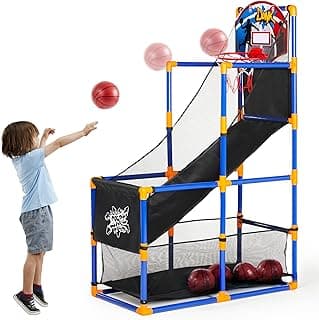
At age four, gross motor skills are becoming more refined. The child is gaining better control over their balance and coordination. Consequently, the best gifts for 4 year old boy often include equipment that encourages movement. Bicycles, climbing structures, or even seasonal items like a best inflatable kiddie pool provide necessary physical challenges. These activities are not just for expending energy; they are critical for developing a child's vestibular system and overall body awareness.
Furthermore, fine motor skills are maturing as the child prepares for formal schooling. Tools that require precision, such as drawing implements or sets that mimic adult activities, serve a dual purpose. They build the hand-eye coordination required for writing while fostering a sense of autonomy. When parents ask how to come up with good gift ideas, the answer often lies in observing which adult tasks the child is currently attempting to replicate. This alignment between the child's natural interests and the gift's function ensures long term engagement.
Analysis of Emotional Value versus Material Value
The distinction between emotional and material value is particularly stark in childhood gifting. A highly expensive, electronically complex toy may offer immediate novelty but often lacks the depth required for long term emotional attachment. In contrast, items that foster a sense of security or facilitate meaningful interactions with parents carry significantly higher emotional weight. This is why the best soft toys often remain favorites for years; they serve as transitional objects that provide comfort during periods of growth and change.
Reddit communities focused on minimalist parenting and practical living often emphasize the importance of quality over quantity. A single, well constructed item, such as one of the best toy train sets, provides more value than a dozen flimsy plastic figures. The longevity of a gift impacts the child's understanding of stewardship and care. When a gift remains functional for years, it becomes a staple of the child's history, strengthening the bond between the giver and the recipient. The underlying message should always be one of investment in the child's potential rather than a mere momentary distraction.
True value in gifting is measured by the frequency of use and the complexity of the narratives a child creates with the object.
The Importance of Roleplay and Imaginative Narrative
By age four, the capacity for narrative construction is flourishing. Children begin to act out complex scenarios, often reflecting their understanding of social structures. Gifting items that support this roleplay is vital. Whether it is a set of tools, a medical kit, or costumes, these items allow the child to experiment with different personas and empathize with others. This psychological experimentation is a core component of developing social competence.
It is worth noting that the what is the best birthday gift you have ever received for many adults is often remembered as something that sparked a lifelong hobby or passion. For a four year old boy, a gift that encourages exploration can be the catalyst for future interests. The goal is to provide a tool for discovery, not a prescribed method of play. This respect for the child's agency is a hallmark of a professional gifting strategy.
Frequently Asked Questions (FAQ)
Is it better to choose educational toys over purely fun toys?
Yes. However, at age four, the distinction between education and fun is largely artificial, as play is the primary mechanism through which children learn. A well designed toy naturally integrates educational concepts such as physics, social negotiation, or spatial awareness into an engaging experience. The focus should be on toys that provide a high level of engagement while subtly challenging the child's current skill level.
Should I consider the child's future interests when buying a gift?
No. While it is tempting to project future hobbies onto a child, it is more effective to support their current developmental needs. A four year old boy's interests are fluid and subject to change as they encounter new experiences. Providing a diverse range of tools for play allows them to explore various domains without the pressure of a specific trajectory. Determining what is the greatest gift to give usually involves prioritizing the child's current joy and growth over long term expectations.
Are electronic toys recommended for this age group?
No, not as a primary gift. Excessive reliance on electronic toys with limited, pre programmed responses can stifle a child's natural creativity and reduce the opportunity for active problem solving. While some digital tools have educational merit, physical toys that require manual manipulation and imaginative input generally provide superior developmental benefits for a four year old. The goal is to encourage the child to be the protagonist of their play, rather than a passive observer of a screen.
How much should be spent on a birthday gift for a four year old?
The financial cost is irrelevant compared to the developmental appropriateness of the item. A modest gift that aligns with the child's current motor skill level or social interests is far superior to an expensive item that is too complex or lacks durability. Focus on the quality of materials and the potential for varied use rather than the price tag. Often, the most valued gifts are those that allow for shared experiences between the child and their family members.