







Cognitive Development and Logic-Based Gifts
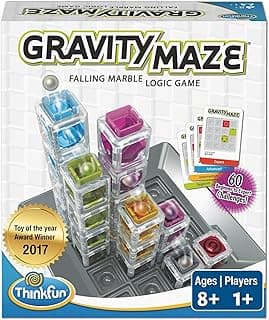
Nine-year-olds possess an increasing capacity for focus and a desire to understand the mechanics of the world around them. Consequently, the best gifts for 9 year olds are often those that challenge their problem-solving skills and reward persistence. STEM (Science, Technology, Engineering, and Math) kits are particularly effective here, as they allow the recipient to transition from a passive consumer to an active creator. When a child engages with complex assembly or logical sequencing, they are practicing executive functions such as planning and inhibition.
For children who show an interest in digital logic, engaging with best lego games can serve as a bridge between physical construction and virtual problem-solving. This dual-medium approach reinforces spatial reasoning. If the child is showing an inclination toward the arts, providing a best drawing-pad for pc can facilitate the development of technical digital skills that are highly relevant in the modern educational landscape. Unlike simple toys, these tools provide a platform for measurable skill acquisition.
| Gift Category | Developmental Focus | Long-term Benefit |
|---|---|---|
| Construction & Robotics | Spatial reasoning and logical sequencing. | Enhanced structural engineering and coding foundations. |
| Strategy Board Games | Executive function and delayed gratification. | Improved social negotiation and critical thinking. |
| Skill-Based Instruments | Fine motor control and discipline. | Neuroplasticity and emotional regulation. |
Creative Agency and Self-Expression in Late Childhood
As children approach a decade of life, their sense of "self" becomes more distinct. They begin to identify with specific hobbies or talents. Facilitating this self-expression is vital for building self-esteem. When a parent or guardian asks, What is the greatest gift a parent can give a child?, the answer often lies in the validation of their emerging interests. Providing high-quality tools, such as a best 3 4 acoustic guitar, signals to the child that their efforts are taken seriously. A smaller-scale instrument ensures that physical limitations do not hinder the psychological reward of making progress.
Gifting at age nine should focus on the 'Zone of Proximal Development.' The item should be challenging enough to require effort but accessible enough to prevent discouragement, fostering a growth mindset through achieved mastery.
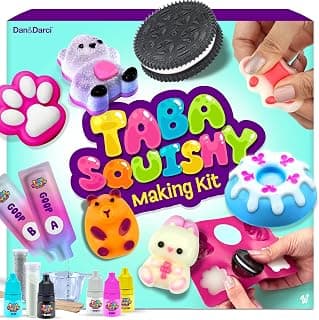
This age is also a prime time for developing more sophisticated artistic techniques. Instead of generic craft kits, consider professional-grade materials that allow for real experimentation. This approach respects the child's intelligence and encourages them to pursue excellence rather than just completion. This period is also when peer relationships become central, and shared creative projects can strengthen those bonds.
Social Dynamics and Cooperative Engagement
The social world of a nine-year-old is increasingly complex. They are learning to navigate team dynamics, rules, and the concept of fair play. Board games and group activities are excellent vehicles for these lessons. While many parents look for best board games for 7 year olds for younger siblings, nine-year-olds require games with deeper layers of strategy and negotiation. These interactions teach them how to handle both victory and defeat with grace, a core component of emotional intelligence.
Furthermore, as they begin to form deeper friendships, they may seek out gifts for my best friend for birthdays or holidays. Encouraging this habit of giving fosters empathy and social cohesion. It moves the child away from egocentrism and toward an appreciation of the preferences and needs of others. These early experiences in peer-to-peer gifting are essential for developing healthy social rituals that will continue into their teenage years.
Analysis: Emotional Value versus Material Value
In the current consumer landscape, it is easy to conflate the price of a gift with its impact. However, the emotional value of a gift often stems from its "utility for connection" rather than its "luxury status." A high-material-value gift that sits on a shelf unused has far less impact than an item that facilitates shared experiences between the giver and the recipient. For a nine-year-old, a gift that invites a parent or friend to participate in their world carries immense psychological weight.
Reddit communities dedicated to minimalist parenting and frugal living often highlight that "the memory of the mastery" outlasts the novelty of the plastic. When a gift requires the giver to spend time teaching the child how to use it, the gift becomes a symbol of the relationship itself. This balance is crucial; if the material value is too high without emotional grounding, it can lead to a sense of entitlement. Conversely, a well-chosen gift that aligns with the child's identity fosters a sense of being "seen" and understood by the adults in their life.
Establishing the Right Framework for Choice
Deciding on the best gifts for 9 year olds involves a systematic assessment of the child's current trajectory. Many guardians find themselves wondering How to come up with good gift ideas? when faced with the overwhelming variety of modern products. The most effective strategy is to observe the child's "unstructured time." What do they gravitate toward when no activities are planned? Is it building, drawing, movement, or storytelling? Aligning the gift with these natural inclinations ensures long-term engagement.
As children mature, their needs will change rapidly. What serves them at age nine will set the foundation for the best gift ideas for teens in the future. By prioritizing quality and developmental alignment now, you are teaching the child to value instruments of growth over temporary distractions. This professional approach to gifting elevates the act from a simple transaction to a meaningful contribution to the child's development.
Frequently Asked Questions
Is it appropriate to give a 9-year-old a gift that is intended for older children?
Yes, provided the child has demonstrated the prerequisite cognitive or motor skills and there are no safety hazards involved. Gifting slightly above the current age range can provide a "stretch goal" that encourages the child to develop new competencies. However, this requires the giver to be available for initial guidance to prevent frustration.
How much should I spend on a birthday gift for a nine-year-old?
The monetary amount is secondary to the functional and emotional relevance of the item. Research into child psychology suggests that the significance of the gift is determined by how well it fits the child's interests and the context of the occasion, rather than the price tag. Focus on a budget that allows for a durable, high-quality version of a useful tool rather than a low-quality version of an expensive category.
Should I prioritize digital or physical gifts for this age group?
A balanced approach is most beneficial for holistic development. While digital tools like drawing pads or educational software are essential for modern literacy, physical toys and outdoor equipment are vital for motor skills and sensory integration. Aim for a ratio that encourages both sedentary focused work and active, kinesthetic play to ensure the child's physical and mental health are equally supported.