











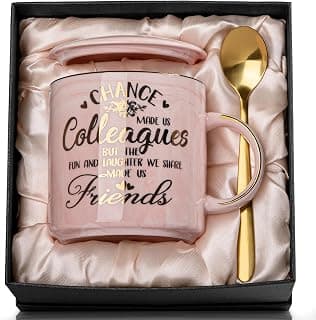




The Psychology of Workplace Gifting and Reciprocity
Workplace relationships are often governed by the Principle of Social Exchange, where individuals seek to maintain a balance of "favors" and "credits." When one seeks the best gifts for colleagues, they are effectively navigating this delicate balance. According to behavioral science, a well-chosen gift can increase job satisfaction and foster a more collaborative environment. However, the logic must remain grounded in utility and professional relevance. For instance, providing a tool that enhances daily productivity is often viewed more favorably than a decorative item with no functional purpose. This is particularly true when considering best gift ideas for coworkers who prioritize efficiency in their daily routines.
When selecting a gift, one must consider the duration of the working relationship. A new colleague may appreciate a gift that aids in their integration, whereas a long-term peer might value a gift that acknowledges a specific milestone or shared history. The following table provides a comparison of different gift categories based on their professional impact and psychological resonance.
| Category | Primary Objective | Psychological Impact |
|---|---|---|
| Functional/Utility | Enhance productivity or comfort | Reinforces respect for the recipient time and labor. |
| Experience-Based | Create a shared memory or relaxation | Reduces workplace stress and builds social bonds. |
| Professional Growth | Support career development | Signals an investment in the recipient future success. |
| Aesthetic/Workspace | Personalize the environment | Validates the recipient sense of belonging in the space. |
Strategic Gift Selection for Different Professional Roles
Hierarchy plays a significant role in determining the appropriateness of a gift. Gifting "up" to a manager requires a different strategy than gifting "across" to a peer or "down" to a subordinate. When evaluating what is a good executive gift, the focus should be on high-quality, understated items that reflect the recipient responsibility and status without appearing as an attempt to curry favor. In these instances, the gift should be a collective effort from the team to maintain professional boundaries and avoid the perception of individual bias.
The best workplace gifts are those that solve a subtle problem the recipient has mentioned, showing you were listening without invading their personal space.
For peers, the best gifts for colleagues are often those that address the common stressors of the office. High-quality peripherals, such as those listed among the best monitors for work, can significantly improve the quality of a colleague professional life. Similarly, for those who spend significant time in front of screens, the best blue blocker computer glasses represent a thoughtful consideration for their physical well-tasting and health. These items are grounded in logic: they are useful, professional, and demonstrate a clear understanding of the recipient daily challenges.
Analyzing Emotional Value versus Material Value
A critical perspective often discussed in professional communities on Reddit is the tension between the material cost of a gift and its emotional resonance. Material value is the market price of the item, while emotional value is the perceived effort, thoughtfulness, and recognition the gift represents. In a professional setting, excessive material value can actually be detrimental, as it may create a "debt" that the recipient feels unable to repay, leading to psychological tension. Conversely, a gift with high emotional value but appropriate material cost fosters a sense of being "seen" and "valued" as an individual, which is essential for long-term retention and morale.
For example, a high-quality leather item from a list of the best leather business bags has high material value, but its emotional value is derived from the acknowledgement of the recipient professional ambitions. If the recipient is a mentor or a departing senior colleague, this gift symbolizes a bridge between their current contributions and their future endeavors. The relationship is strengthened because the gift is both a functional tool and a symbolic gesture of respect.
Etiquette and Timing: When to Provide the Best Gifts for Colleagues
Timing is as important as the gift itself. Common occasions include holidays, work anniversaries, the completion of a major project, or departure from the company. However, the "just because" gift is generally discouraged in a professional setting as it can lead to confusion regarding the giver intentions. A structured approach ensures that the gift is received as intended: a professional token of appreciation. For female colleagues, choosing from best gift ideas for a woman in the workplace should focus on sophisticated items like high-quality stationery or professional accessories such as a best small wallet for women, which is practical yet elegant.
| Occasion | Recommended Gift Type | Avoid |
|---|---|---|
| Promotion | Commemorative or growth-oriented | Personal hygiene products |
| Holiday/Season | Consumables or office utility | Extremely expensive jewelry |
| Departure/Retirement | Sentimental or legacy-focused | Standard office supplies |
Furthermore, one must consider the logistical aspects of the office. A colleague who commutes via public transport may find a bulky gift inconvenient. In such cases, a high-quality, compact item like a best alarm clock radio for their home office or a digital gift card for a professional course would be more appropriate. Always consider the "user experience" of receiving the gift.
Gifting is the non-verbal communication of the professional world; it says what emails cannot convey about respect and partnership.
Addressing the Challenges of Remote Gifting
With the rise of hybrid and remote work, the best gifts for colleagues have shifted toward items that improve the home-office experience. Since you cannot physically hand the gift to the recipient, the packaging and the delivery experience become part of the gift value. A handwritten note sent via mail alongside a digital gift or a shipped item adds a layer of human connection that is often missing in digital-first environments. When choosing what is a nice client gift or a gift for a remote teammate, reliability and brand reputation are paramount to ensure the item arrives in perfect condition, reflecting well on your professional standards.
Frequently Asked Questions (FAQ)
Is it appropriate to give a cash gift to a colleague?
No, giving a cash gift to a colleague is generally considered unprofessional and can be perceived as transactional or even insulting. While a gift card to a specific store or service is an acceptable middle ground, physical cash lacks the thoughtfulness required for a professional relationship and may violate company policies regarding monetary exchanges between employees.
What should I do if my gift is more expensive than the one I received?
You should accept the situation gracefully without mentioning the price difference or making the other person feel inadequate. Gifting is not a competition of market value; the focus should remain on the sentiment and the professional bond. In the future, you may choose to align your gifting budget with the established "norm" of your specific office culture to avoid creating further imbalances.
Are group gifts better than individual gifts?
Yes, group gifts are often the superior choice in a professional setting, especially when gifting to a manager or for a major life event. Group gifts eliminate the pressure of individual reciprocity, allow for the purchase of a higher-quality item that the recipient actually wants, and demonstrate a unified team spirit. This is a highly effective strategy when determining what is a good corporate swag gift for a department or team celebration.
Conclusion: The Lasting Impact of Professional Gifting
Ultimately, the best gifts for colleagues are those that demonstrate a logical alignment between the item, the recipient needs, and the professional context. By prioritizing functional value and emotional resonance over mere material cost, the giver can strengthen professional alliances and foster a culture of appreciation. Whether it is a small token for a peer or a significant gesture for a retiring mentor, the goal is to leave a lasting impression of professionalism and genuine respect. In the world of business, these small investments in social capital often yield the greatest long-term returns in the form of loyalty, cooperation, and a more harmonious work environment.








