

Psychological and Behavioral Analysis of Canine Gifting
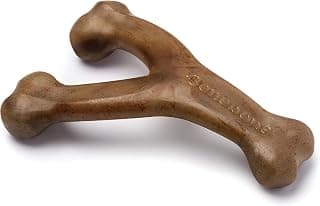
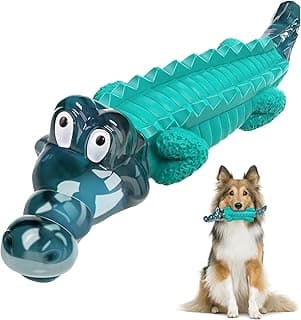
Canine behaviorists often categorize a dog's needs into hierarchies. At the base are physiological needs, followed by safety, and then social belonging. The best gifts for dogs are those that integrate these levels. For instance, a durable chew toy is not merely an object; it is an outlet for the instinctual urge to masticate, which has been shown to reduce cortisol levels in dogs. This physiological relief translates into a more stable temperament and a stronger social bond with the owner.
The value of a canine gift is measured by the duration of engagement and the reduction of stress-related behaviors, rather than the initial excitement shown at the moment of receipt.
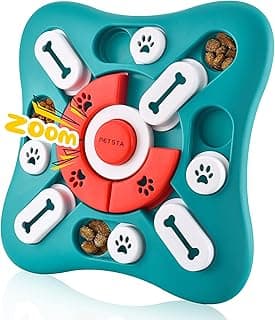
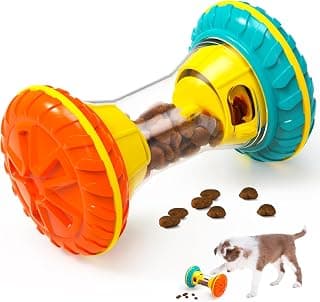
When considering gifts for a canine companion, it is essential to distinguish between interactive play and solo enrichment. Interactive gifts require the participation of the owner, which strengthens the social hierarchy and communication. Solo enrichment gifts, such as puzzle feeders, encourage independent problem-solving and cognitive health. Both are necessary for a well-rounded behavioral profile. This logical approach ensures that the gift serves a purpose beyond mere novelty.
| Gift Category | Primary Behavioral Benefit | Ideal Relationship Context |
|---|---|---|
| Interactive Tug/Fetch Toys | Reinforces social hierarchy and cooperative play. | Strengthening the active bond during exercise. |
| Cognitive Puzzle Feeders | Reduces boredom-induced anxiety and destructive behavior. | Providing mental stimulation during owner absence. |
| Ergonomic Bedding | Supports joint health and promotes restorative sleep. | Enhancing long-term physical well-being. |
| Safety Gear (Harnesses/Vests) | Provides physical security and owner control. | Ensuring safety during shared adventures. |
The Logic of Safety and Durability in Gifting
A primary consideration in the selection process is the safety profile of the material. Many gifts intended for gifts for my best friend in the canine world are constructed from subpar materials that pose choking hazards or contain toxic dyes. A diplomatic approach to gifting prioritizes the longevity and integrity of the item. For active dogs who enjoy water-based activities, specialized equipment such as best dog life jackets is a logical choice that provides peace of mind for the owner and safety for the pet.
Durability is often seen as a material concern, but it has emotional implications as well. A dog that becomes attached to a specific comfort item may experience distress if that item is destroyed and discarded frequently. Therefore, investing in high-quality, "buy it for life" materials is a more sustainable and emotionally intelligent strategy. For dogs living in harsh climates, protective gear such as best booties for dogs in snow serves a vital function in preventing thermal injury and chemical burns from de-icing agents.
Hygiene and Home Maintenance as a Gift to the Bond
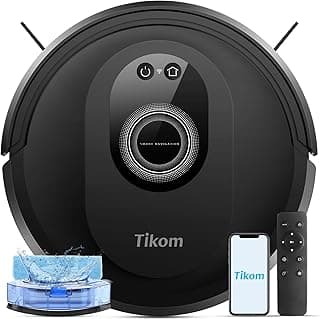
The integration of a dog into the home environment often introduces challenges related to cleanliness and allergens. While it may seem like a gift for the owner, maintaining a hygienic environment is actually a gift to the dog's respiratory health and skin condition. Utilizing the best animal hair vacuum ensures that the shared living space remains free of dander and debris that can cause irritations. A clean home reduces the friction between pet ownership and domestic standards, leading to a more harmonious co-existence.
Emotional Value vs. Material Value
In various online communities, such as those found on Reddit, there is a recurring discussion regarding the utility of gifts for pets. The consensus among experienced owners is that the material value of a gift is secondary to the quality of life it provides. A high-priced designer collar may provide zero emotional value to the dog, whereas a simple rubber ball that facilitates hours of shared play represents significant emotional wealth.
The emotional value of a gift lies in the experiences it enables. When we ask what is the greatest gift to give a dog, the answer is consistently "time and shared activity." A gift should be seen as a facilitator for these moments. If a new lead or harness encourages the owner to take longer, more frequent walks, the true gift is the walk itself, not the equipment used. This perspective shifts the focus from consumerism to relationship-building.
True canine gifting is an investment in the shared history of the pack, where the object serves as a bridge to deeper mutual understanding.
| Perspective | Material Value Focus | Emotional Value Focus |
|---|---|---|
| Selection Criteria | Brand name, price, and visual trendiness. | Utility, durability, and behavioral need. |
| Outcome | Short-term satisfaction for the human giver. | Long-term enrichment and health for the dog. |
| Relationship Impact | Minimal; the object is static. | High; the object facilitates interaction. |
Frequently Asked Questions
Is a more expensive dog toy always safer than a budget-friendly option?
No, price point is not a definitive indicator of safety or quality in the pet industry. Safety is determined by the specific material composition, such as the absence of BPA and phthalates, and the structural design that prevents the breaking off of small, swallowable parts. It is imperative to inspect the construction of any item regardless of its cost.
Do dogs understand that an object is a gift?
No, dogs do not have a conceptual understanding of "gifting" in the human sense of holiday traditions or birthdays. However, they possess an acute ability to associate new objects with the positive emotions and attention they receive from their owners during the introduction of the item. The "gift" to the dog is the novelty and the social interaction that accompanies it.
How often should I replace my dog's enrichment toys?
Toys should be replaced immediately upon signs of structural failure, such as cracks, frayed edges, or exposed stuffing. From a behavioral standpoint, rotating toys every week is more effective than permanent replacement; by hiding some toys and reintroducing them later, you maintain the "novelty effect" and keep the dog cognitively engaged without excessive consumption.
What is the most logical gift for an aging dog?
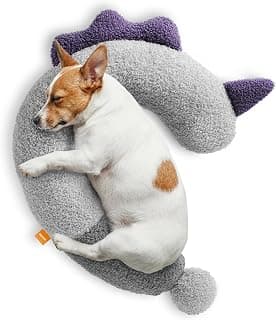
Orthopedic support is the most logical gift for a senior canine. As dogs age, they frequently suffer from joint degeneration and reduced mobility. Items that provide thermal comfort or pressure-point relief are scientifically proven to improve the quality of life for geriatric pets by facilitating deeper, more restorative sleep cycles.
Conclusion
Selecting the best gifts for dogs is a task that combines veterinary science, behavioral psychology, and practical domestic management. By focusing on items that address the dog's true nature, we move away from the pitfalls of anthropomorphism and toward a more respectful, pack-oriented relationship. Whether it is a tool for safety, an instrument for mental stimulation, or a device to maintain a healthy home, the most effective gifts are those that enhance the well-being of the animal and the strength of the bond they share with their human companions. Through logical selection and an emphasis on emotional value, gifting becomes a profound way to communicate appreciation for the unique role dogs play in our lives.