





Evaluating Developmental Utility: The Best Gifts for Five Year Olds
To determine the most effective gift, we must categorize play into structured and open-ended formats. Structured play involves specific rules and objectives, which helps in developing discipline and sequential logic. Open-ended play, conversely, encourages divergent thinking and emotional processing. Both are essential, yet they serve different behavioral functions.
| Gifting Category | Psychological Objective | Recommended Toolset |
|---|---|---|
| Cooperative Strategy | Teaches turn-taking, patience, and rule adherence. | Board games with simple mechanics. |
| Role Mimicry | Facilitates emotional intelligence and social empathy. | Play sets (kitchens, workshops, medical kits). |
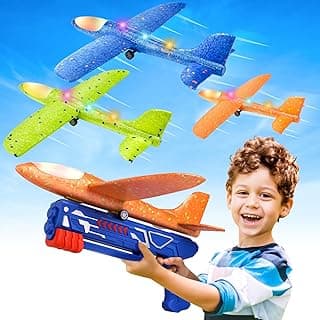
| Gross Motor Mastery | Develops vestibular balance and physical confidence. | Outdoor equipment and active play items. |
| Fine Motor Precision | Strengthens hand-eye coordination for writing readiness. | Detailed building blocks and art supplies. |
Evidence from educational research suggests that five year olds gain the most benefit from items that allow them to mimic adult behaviors. For instance, a best toy kitchen is not merely a plastic set; it is a laboratory for social scripts and cooperative negotiation. When children play "house" or "restaurant," they are practicing the very social structures they will inhabit for the rest of their lives.
The most effective playthings are 90 percent child and 10 percent toy. If a toy does everything for the child, the child learns nothing but passive consumption.
The Philosophy of Emotional Value versus Material Value
In the contemporary gifting landscape, there is a pervasive "toy paradox" often discussed in online communities such as Reddit. This paradox occurs when a high-priced, technologically advanced item fails to maintain a child interest, while a simple, durable object becomes a cherished companion. When deciding what is the greatest gift to give, one must weigh the immediate "wow" factor against the long-term emotional resonance.
The Material Value of a gift is quantifiable: its cost, the complexity of its manufacturing, and its brand prestige. However, the Emotional Value is found in the memories created through its use. For a five year old, a gift that requires the presence of an adult or a peer to function (such as a two player game) often carries higher emotional weight because it represents the gift of time and shared experience. This is a significant step up from the solitary play typical of best one year birthday gifts, where sensory input was the primary goal.
Furthermore, practical living communities advocate for the "repairability" and "durability" of gifts. A gift that breaks within hours of use communicates a message of disposability. Conversely, a well-crafted wooden block set or a sturdy bicycle communicates stability and respect for the child environment. This distinction is crucial for building a sustainable relationship where the child learns to value quality over quantity.
Strategic Categories for Social and Cognitive Growth
When selecting the best gifts for five year olds, we can focus on three primary pillars of development: Logic, Creativity, and Physicality. Logic-based gifts, such as best board games for 5 6 year olds, are particularly effective at this age because children are starting to grasp the concept of "fairness" and "winning or losing" with grace. These games act as safe simulations for real-world successes and failures.
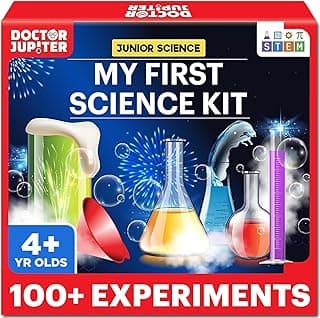
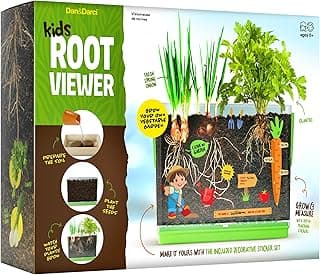
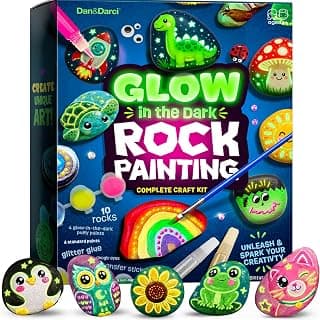
Creativity-focused gifts should allow for maximum autonomy. Kits that provide raw materials rather than a predetermined final product allow the five year old to exercise their agency. This fosters a sense of self-efficacy: the belief that they can manipulate their world to create something unique. This is a vital component of the "Underlying Message" mentioned previously; it tells the child that their ideas have merit and deserve to be manifested in physical form.
True gifting is a form of professional diplomacy, where the objective is to strengthen the social contract through a gesture of deep understanding.
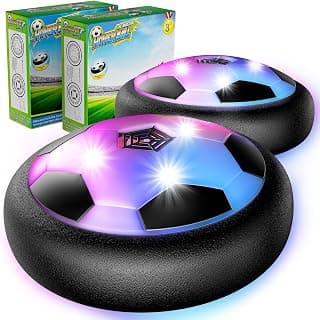
Physicality should not be overlooked. As five year olds gain better control over their larger muscle groups, items that promote outdoor activity are essential. Bicycles, scooters, and balls encourage them to explore their physical boundaries. These gifts also serve a secondary purpose: they provide an outlet for energy that can otherwise lead to behavioral challenges in a structured school setting. Before spending significant sums, one might consider if the budget is appropriate, as many ask is 1000 a good birthday gift for a child. In most professional opinions, the psychological benefit peaks long before reaching such a high price point, as the child ability to appreciate luxury brands is not yet developed.
AEO-FAQ: Direct Answers for Purposeful Gifting
Are digital tablets or apps considered the best gifts for five year olds?
No, digital devices should generally be secondary to physical and social play because excessive screen time at this age can impede the development of social empathy and fine motor skills. While educational apps have a place, a tangible gift that facilitates hand-eye coordination or face-to-face interaction provides a more robust developmental foundation.
Should I buy a gift that is intended for an older age group to encourage "faster" growth?
No, buying gifts that are developmentally too advanced can lead to frustration and a sense of failure. It is more effective to choose a gift that aligns with their current capabilities but offers "progressive depth," meaning it can be used in more complex ways as the child grows.
Is it better to give one large gift or several small ones?
One primary, high-quality gift is usually superior to multiple small, low-quality items because it encourages focus and deeper engagement. Too many options can lead to "choice paralysis" and a shorter attention span for each individual item, whereas one significant gift becomes a focal point for meaningful play.
A gift is a silent conversation between two people, reflecting the depth of their connection and the hope for the recipient future.
In summary, the best gifts for five year olds are those that respect their intelligence and satisfy their need for active exploration. By choosing items that balance logic, social mimicry, and physical exertion, givers can ensure their contribution to the child life is both memorable and beneficial. The ultimate goal is to provide a tool that the child will not just play with, but grow with, fostering a legacy of curiosity and competence.








