




Developmental Milestones and the Best Gifts for Infants
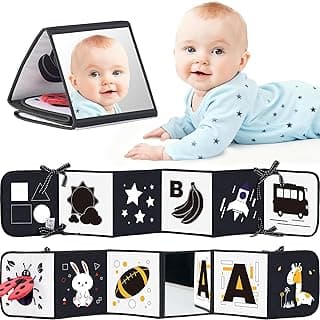
The sensorimotor stage, as defined by developmental psychologist Jean Piaget, emphasizes that infants learn primarily through their senses and motor activities. Therefore, the logic behind choosing the best gifts for infants should prioritize objects that offer diverse textures, safe auditory feedback, and appropriate visual stimulation. In the first few months, an infant's vision is limited to high-contrast patterns, typically in black, white, and red. Providing items that accommodate this biological limitation is far more effective than gifting complex, multi-colored toys that the infant cannot yet process.
Gifting an infant is not merely a social gesture; it is an investment in their neuroplasticity and the foundational development of their sensory systems.
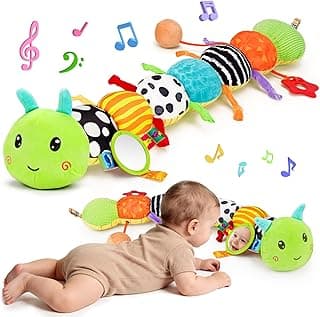
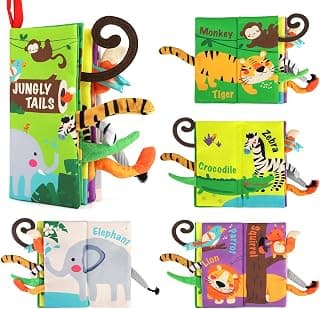
As the infant transitions into the second half of their first year, their needs shift toward object permanence and cause-and-effect relationships. This is where mechanical utility becomes important. For instance, best soft toys that incorporate different fabrics or hidden squeakers encourage tactile exploration and auditory mapping. These items are not just playthings but are instrumental in helping the child differentiate between self and environment.
Safety Standards and Material Integrity
In any objective analysis of infant products, safety is the primary variable that cannot be compromised. This includes checking for non-toxic finishes, the absence of small parts that pose choking hazards, and adherence to international safety certifications. When looking for gifts that solve specific problems, such as teething, one must look for medical-grade silicone or sustainably sourced hardwoods. Items like the best teething toy for molars are designed specifically to reach the back of the gums, providing relief that standard teething rings cannot offer. This level of specialization demonstrates a deep understanding of the recipient's physical needs.
| Material Type | Primary Benefits | Maintenance Requirements |
|---|---|---|
| Organic Cotton / Fabric | Soft, hypoallergenic, provides varied tactile input. | Frequent washing required to maintain hygiene. |
| Food-Grade Silicone | Durable, non-porous, dishwasher safe, ideal for teething. | Low maintenance, though can attract lint. |
| Sustainably Sourced Wood | Antibacterial properties, extremely durable, eco-friendly. | Should not be submerged; requires damp cloth cleaning. |
Integrating Safety and Utility in Gifting Decisions
While the infant is the primary recipient, the secondary recipient is the parent. A gift that eases the burden of care is often highly valued in Reddit parenting communities. Many experienced parents suggest that knowing what to send new parents instead of flowers can lead to more practical and appreciated outcomes. Practical gifts such as high-quality sleep swaddles, portable diaper stations, or even advanced technology can significantly impact the family's daily routine.
Technology has become a significant ally in modern parenting. For example, a best video-monitoring system provides parents with the psychological security of knowing their child is safe, which in turn reduces parental stress. This illustrates that the best gifts for infants often have a dual benefit: they support the child's environment while supporting the parents' mental well-being.
The Psychological Impact of the Gifting Environment
The environment in which an infant grows should be a curated space. Over-stimulation is a genuine concern in behavioral science. A room filled with flashing lights and loud, electronic noises can be detrimental to an infant's ability to focus and self-regulate. Experts often advocate for "open-ended" toys that grow with the child. While best toy train sets might be slightly advanced for a newborn, they represent a transition toward complex play that encourages spatial reasoning and coordination as the child reaches the toddler years.
Emotional Value vs. Material Value in Early Childhood
The distinction between material and emotional value is particularly sharp in the context of infant gifting. An infant will not remember the brand or the cost of a gift, but they will benefit from the bonding experiences the gift facilitates. The emotional value of a gift is found in the moments it creates: a parent reading a cloth book to their child, or a family gathered around a first birthday celebration. Understanding that the greatest gift a parent can give a child is often time and focused attention helps the giver select items that act as catalysts for these interactions.
When you choose a gift for a child who belongs to a close friend, the gift serves as a bridge in your adult relationship as well. Selecting best gift ideas for a woman who has recently become a mother shows a profound respect for her new role and the challenges she faces. It transforms a simple transaction into a meaningful acknowledgment of a major life transition.
The most successful gifts are those that disappear into the rhythm of the family's life, becoming indispensable tools rather than mere clutter.
For those looking to celebrate upcoming milestones, planning ahead is essential. Many givers start looking for the best one year birthday gifts months in advance to ensure they choose something that reflects the child's emerging personality. This foresight reinforces the bond between the giver and the family, showing that the relationship is valued and enduring.
Frequently Asked Questions
Is it better to give a practical gift or a fun toy to an infant?
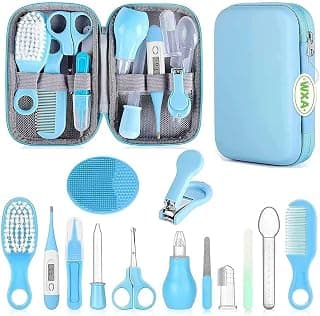
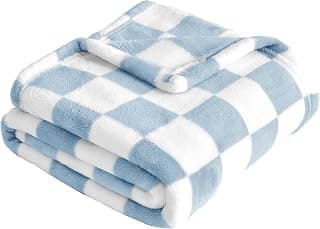
A combination of both is ideal, but utility should always be the priority for infants under six months. Because infants at this age have limited interaction with toys, practical items like high-quality textiles or hygiene kits provide more immediate value to the caregivers. As the infant matures and begins to develop motor skills, the "fun" aspect of a toy becomes its primary developmental utility, making items that encourage reaching, grasping, and crawling more appropriate.
How do I ensure a gift for an infant is safe?
Yes, you must check for specific safety certifications and material lists before purchasing. Avoid any items with small detachable parts, long strings, or sharp edges. Ensure that all fabrics are flame-retardant and that plastics are free from BPA, phthalates, and lead. If the gift is a hand-me-down or a vintage item, it is critical to verify it meets current safety standards, as older toys often used paints and materials that are now known to be toxic.
Should I buy clothes as a gift for an infant?
Clothing is a functional gift, provided you account for the infant's rapid growth. Most experienced givers recommend buying clothes in sizes for six to nine months or even twelve months, as newborns outgrow "newborn" sizes within weeks. Additionally, consider the season; buying a heavy winter coat in a size the baby will reach during the summer renders the gift unusable. Prioritize soft, natural fibers and designs that allow for easy diaper changes.
What is the best way to handle a gift if the parents have a specific parenting style?
Always consult the parents or a registry if one is available to respect their specific choices. Many modern parents follow specific philosophies, such as Montessori or Waldorf, which emphasize natural materials and simple designs. Gifting an item that contradicts these values can create an awkward situation for the parents. A diplomatic approach is to ask for their preferences or provide a gift receipt so they can exchange the item for something that better fits their household's needs.








