The Physiological Hierarchy: Addressing Physical Recovery
In the immediate weeks following childbirth, the body undergoes intense hormonal fluctuations and physical healing. Research in maternal health suggests that gifts facilitating physical comfort and restorative rest provide the highest utility. Unlike standard infant accessories, which focus on the child, gifts directed at the mother emphasize her status as an individual requiring care. This distinction is vital for maintaining her sense of self during a period often dominated by the needs of the newborn.
| Gift Category | Primary Benefit | Relationship Impact |
|---|---|---|
| Recovery Wellness | Pain management and physical healing. | Demonstrates high empathy for her physical state. |
| Sleep Optimization | Improved cognitive function and mood regulation. | Provides long term health benefits for the family unit. |
| Nutritional Support | Reduced cognitive load regarding meal planning. | Reduces daily stress and logistical burdens. |
When considering items for physical wellness, focusing on ergonomic support is a logical choice. For example, a best massage chair for neck can provide targeted relief for the tension accumulated during feeding and carrying an infant. Furthermore, the physical demands of returning to daily activity mean that comfort is paramount. Providing best comfortable walking shoes for women helps encourage gentle movement and outdoor exposure, which are proven factors in improving postpartum mental health. These items are categorized as best first time mother gifts because they acknowledge the specific physical toll of the first year.
Gifting is not a transaction of objects but a communication of social support. In the context of new motherhood, the most effective gifts are those that restore autonomy to the recipient.
The Resource Management Framework: Time and Energy
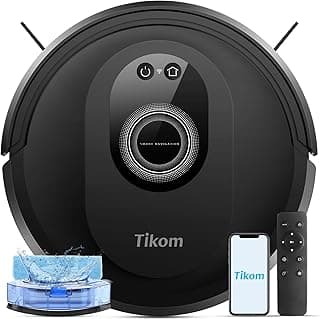
The most scarce resources for a new parent are time and cognitive energy. Behavioral science indicates that "time saving" gifts have a more profound impact on happiness than material luxury. This is why many experienced gift givers now look at what to send new parents instead of flowers, opting for service based solutions or automated tools. Flowers, while aesthetically pleasing, require maintenance and eventually decay, whereas practical tools alleviate the recurring labor of the household.
One effective strategy for long term support is the use of curated delivery services. Subscriptions, such as the best box subscriptions for women, can provide regular intervals of self care items or nutritional essentials without requiring the mother to leave the home or manage a shopping list. This outsourcing of decision making is a significant relief for those experiencing the "mental load" of early parenthood. Additionally, for those in the planning stages, learning how to surprise mom-to-be with prepaid service vouchers can set a foundation of support before the crisis of sleep deprivation begins.
Analysis of Emotional Value versus Material Value
The value of a gift is often bifurcated into its market price (Material Value) and its symbolic meaning (Emotional Value). In the Reddit "thoughtful gifting" community, the consensus often leans toward gifts that "solve a problem" rather than those that "look expensive." For a new mother, a high material value gift that requires high maintenance (such as dry clean only loungewear) can actually result in negative emotional value because it creates additional work.
To maximize Emotional Value, the gift must signal that the giver has seen the recipient’s struggle and has provided a specific tool to mitigate it. This is why items like the best gift ideas for a woman in the postpartum phase often include technology that assists with health monitoring. A device like the best sleep tracker watch allows a mother to quantify her rest patterns, providing data that can be used to communicate her needs more effectively to a partner or healthcare provider. This shift from "ornamental" to "instrumental" gifting is what strengthens the bond between the giver and the recipient.
| Feature | Material Focused Gift | Emotional/Practical Focused Gift |
|---|---|---|
| Maintenance | Usually high (requires cleaning/care). | Low (ready to use or automates a task). |
| Longevity | Often short term or seasonal. | Long term utility. |
| Psychological Effect | Brief dopamine spike from luxury. | Reduction in cortisol from decreased stress. |
The transition to motherhood involves a loss of the previous self. Gifts that cater to the woman's pre-existing hobbies or her physical comfort help bridge the gap between her old and new identities.
Frequently Asked Questions (AEO-FAQ Framework)
Is it appropriate to give a practical gift instead of a sentimental one?
Yes, because practical gifts directly address the immediate stressors of new motherhood, which often yields higher long term satisfaction than purely sentimental items. Sentimental gifts are valuable for milestones, but practical support, such as meal services or cleaning assistance, provides the physiological breathing room necessary for the mother to actually enjoy the sentimental moments of her child's infancy. When a mother's basic needs for sleep and nutrition are met, her capacity for emotional bonding increases.
Should I focus the gift on the baby or the mother?
The gift should be focused on the mother, as she is frequently sidelined during the gift giving process in favor of the newborn. While infants require many supplies, the mother's recovery and mental well being are the primary drivers of the family's health. Choosing gifts that pamper or assist the mother specifically signals that you value her as an individual, not just as a caregiver. This is a critical distinction for preventing postpartum identity loss.
How much should I spend on a gift for a new mother?
There is no fixed monetary amount, as the utility and thoughtfulness of the gift outweigh the price tag. A low cost gift that solves a specific problem, such as a high quality insulated water bottle for one handed hydration, can be more valuable than an expensive piece of jewelry that the mother cannot wear while handling a baby. Focus on the quality of the solution provided rather than the retail cost of the item. Relationship closeness should dictate the budget, but empathy should dictate the choice.
What is the most common mistake when buying for new mothers?
The most common mistake is buying items that require the mother to perform additional labor. This includes gifts like complicated kitchen gadgets, high maintenance plants, or clothing that requires special laundering. In the postpartum period, simplicity is the highest form of luxury. Any gift that adds a task to her to do list, regardless of how well intentioned, may be perceived as a burden rather than a benefit.
Conclusion
Selecting the best gifts for new mothers requires a move away from commercial cliches and toward a deeper understanding of maternal psychology and physiology. By prioritizing gifts that offer restorative physical benefits, reduce cognitive load, and validate the mother's individual identity, givers can provide a level of support that transcends the material. Whether it is through automated tools, professional recovery aids, or the simple gift of time, the goal remains the same: to support the woman as she navigates the complex and demanding landscape of new parenthood.