

The Psychology of Play and Development at Age One
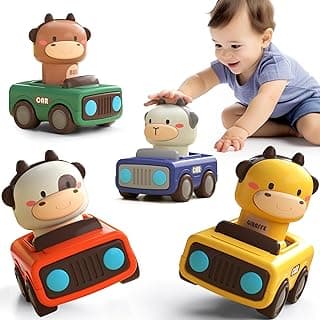
Behavioral science suggests that play is the primary mechanism through which a child understands the physical world. At this age, children are developing object permanence, beginning to understand cause and effect, and refining their gross motor skills. When searching for the best one year birthday gifts, one must look for objects that encourage open-ended interaction rather than passive entertainment. Toys that emit loud, repetitive noises with minimal input often fail to sustain engagement because they do not challenge the child's burgeoning problem-solving abilities.
A child's environment at age one should be rich in tactile diversity. This is why many child development experts emphasize the importance of varied textures and weights. While some may ask, Is $1000 a good birthday gift? for a toddler, the monetary value is secondary to the functional value. A high-priced item that the child cannot safely manipulate provides less neurological benefit than a simple, well-crafted set of blocks.
The most effective tools for development are those that require the child to be the protagonist of the activity, not just a spectator.
Analyzing Gift Utility: A Comparative Framework
To assist in the decision-making process, it is useful to categorize potential gifts based on their impact on specific developmental milestones. The following table provides a logical comparison of common gift archetypes for one year olds.
| Category | Primary Benefit | Durability/Longevity | Complexity Level |
|---|---|---|---|
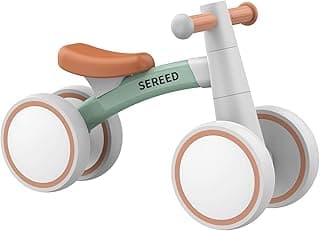
| Physical Activity Tools | Improves balance and spatial awareness. | High (1 to 3 years) | Low (Natural instinct) |
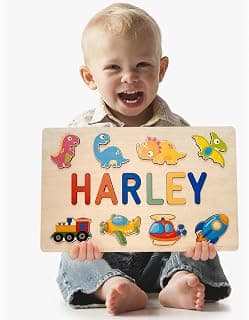
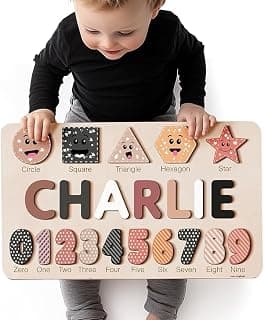
| Cognitive Puzzles | Refines fine motor skills and logic. | Medium (6 to 12 months) | Medium (Requires guidance) |
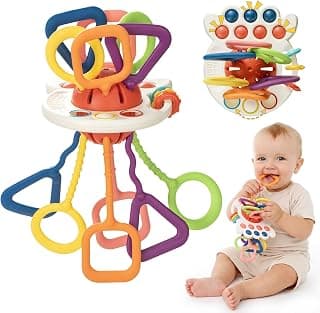
| Sensory Objects | Tactile and auditory stimulation. | High (Infancy to toddlerhood) | Low (Exploratory) |
| Pretend Play Sets | Fosters social and language development. | Very High (2 to 5 years) | High (Emerging skill) |
Emotional Value versus Material Value in Early Childhood Gifting
Within the professional gifting community and active discussions on platforms like Reddit, there is a strong movement toward intentionality. The emotional value of a gift at age one is often rooted in the ritual of the occasion and the long-term utility of the item. A "material" gift might be a flashy, battery-operated plastic toy that is discarded within weeks. In contrast, an "emotional" gift focuses on creating a lasting memory or providing a foundation for future learning.
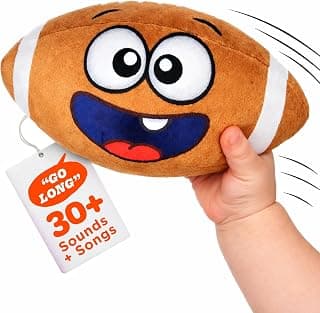
For example, high-quality best soft toys can become transitional objects that provide comfort and security for years. Similarly, investing in a best toy kitchen facilitates imitative play, which is crucial for social integration. The giver must consider how the gift will occupy space in the family home and whether it adds value to the child's daily routine or merely contributes to domestic clutter. Many experienced parents suggest that the what is the best birthday gift you have ever received was often a simple item that allowed for years of creative exploration rather than a momentary thrill.
Strategic Recommendations for Different Interests
Even at twelve months, children begin to show preferences for certain types of stimuli. Observing these tendencies allows a giver to select a more personalized and effective gift.
Fostering Physical Coordination
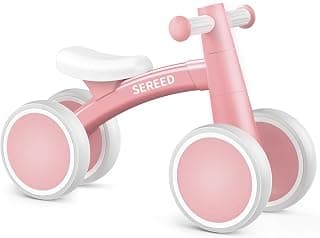
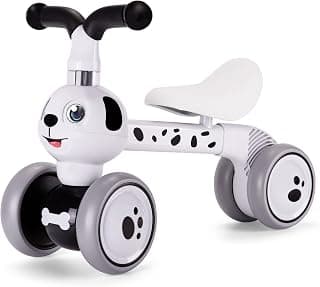
Push toys and stable ride-on vehicles are excellent for children who are beginning to walk. These tools provide the necessary support for balance while encouraging the child to explore their environment independently. Durability is paramount here, as the equipment must withstand significant wear and tear.
Developing Fine Motor Skills
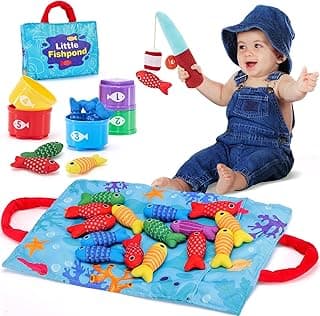
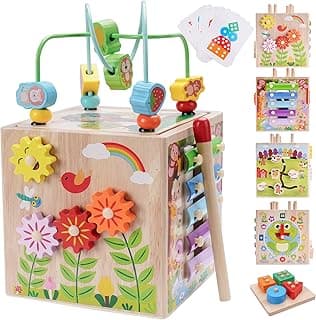
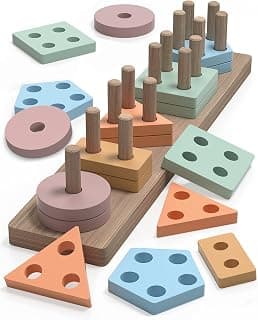
Stacking rings, shape sorters, and large building blocks are essential for hand-eye coordination. For children interested in complex systems, looking at the best toy train sets designed for toddlers can provide hours of engagement as they learn to connect pieces and navigate tracks.
Sensory and Auditory Exploration
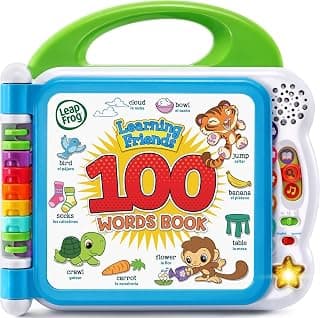
Books with varying textures, simple musical instruments, and bath toys provide sensory feedback that is vital for brain development. These items encourage curiosity and can be used as tools for bonding between the parent and the child during quiet time or routine activities.
True value in a gift is found at the intersection of safety, developmental appropriateness, and the joy of discovery.
Safety and Material Integrity
Safety is the most critical technical constraint when selecting the best gifts for one year old recipients. At this stage, oral exploration is still a primary mode of learning, meaning everything a child touches will likely end up in their mouth. Givers must ensure that all items are free from small parts that could pose a choking hazard, non-toxic, and constructed from high-quality materials that do not splinter or break under pressure.
| Material Type | Pros | Cons |
|---|---|---|
| Natural Wood | Non-toxic, durable, sensory-rich. | Can be heavy or expensive. |
| Food-Grade Silicone | Soft, easy to clean, safe for chewing. | Can attract dust and lint. |
| BPA-Free Plastic | Lightweight, versatile, affordable. | Environmental impact, potential for breakage. |
Frequently Asked Questions
Is a complicated electronic toy better for a one year old's brain?
No, evidence suggests that simpler, open-ended toys are generally superior for cognitive development. While electronic toys provide immediate feedback, they often limit a child's imagination and can lead to overstimulation. Passive toys that require the child to move, stack, or create foster better problem-solving skills and longer attention spans in the long run.
Should I focus more on educational gifts or fun gifts?
At age one, there is no distinction between education and fun for a child. Every interaction with a new object is a learning experience. The most successful gifts are those that are inherently fun because they challenge the child's current abilities just enough to be engaging without causing frustration. A set of blocks is fun, yet it teaches gravity, balance, and geometry.
Is it appropriate to gift clothing instead of toys?
Yes, clothing is a highly practical gift that parents often appreciate, especially as children at this age grow rapidly. However, to provide value to the child, consider clothes with interesting textures or patterns that they can explore. From a purely developmental standpoint, a toy usually provides more direct interaction for the recipient, but high-quality apparel serves the logistical needs of the household.
Conclusion: The Lasting Impact of a Thoughtful Gift
Choosing the right gift for a one year old is a diplomatic balance between meeting developmental needs and honoring the significance of the milestone. By prioritizing safety, material quality, and the potential for open-ended play, givers can ensure their contribution is both meaningful and useful. Whether it is a set of the best dino toys for a future paleontologist or a simple wooden walker, the goal is to provide a tool that helps the child navigate and enjoy their expanding world.