



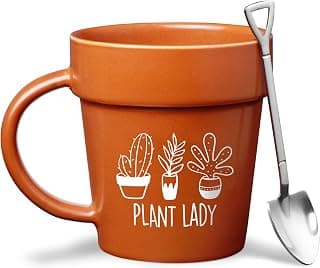
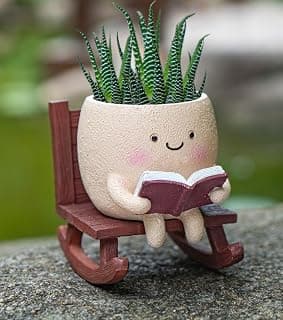
The Psychology of Botanical Gifting and Recipient Profiles
The act of gifting a living organism or the means to sustain one carries significant psychological weight. For a recipient who is identified as a creative person, botanical gifts serve as meditative focal points that can aid in stress reduction and cognitive restoration. The presence of greenery in a workspace has been empirically shown to improve concentration and mood. When a giver selects a gift that aligns with these needs, they are moving beyond a material transaction and into the realm of supporting the recipient's mental well-being.
True value in gifting is found when the object serves as a bridge between the giver's intent and the recipient's daily ritual of care.
When considering the relationship status, a plant-related gift can range from a simple gesture of appreciation to a profound symbol of a long-term bond. In the context of a best thank you gifts for friends, the gift acknowledges a shared history of growth. The choice of a durable, high-quality tool or a rare specimen reflects a deep knowledge of the friend's personal dedication to their hobby. This logical alignment between the gift and the recipient's lifestyle is what defines a successful gifting strategy.
Structured Analysis: Living Specimens versus Practical Tools
A primary decision for any giver is whether to provide a new living plant or the technical accessories required for maintenance. While a new plant offers immediate visual impact, it also imposes an immediate labor requirement on the recipient. Conversely, high-quality tools provide long-term utility without adding to the recipient's "care debt." The following table compares these variables to assist in a logical decision-making process.
| Variable | Living Plants | Horticultural Tools | Environmental Monitoring |
|---|---|---|---|
| Initial Effort | High: requires immediate potting and placement. | Low: ready for use at the recipient's convenience. | Medium: requires initial calibration or setup. |
| Risk Factor | High: potential for specimen death or pest introduction. | Negligible: high-quality steel or iron is durable. | Low: provides data to reduce plant health risks. |
| Relationship Message | "I give you life to nurture." | "I respect and support your expertise." | "I care about the health of your environment." |
Technical Rules for Indoor Plant Maintenance
To provide the best gifts for plant lovers, one must acknowledge the technical challenges of indoor gardening. Light, humidity, and air quality are the three pillars of plant health. For a significant life event, such as providing best gift ideas for housewarming, a giver should consider the environmental conditions of the new space. A highly functional and data-driven gift would be the best indoor air quality monitor. This device allows the plant lover to track temperature and humidity fluctuations that could otherwise lead to leaf drop or fungal infections.
Furthermore, precision in maintenance is often overlooked. For example, the accumulation of dust on foliage can significantly hinder photosynthesis. A professional-grade best lens cleaning cloth is an excellent, albeit unconventional, tool for gently removing particulates from the leaves of sensitive species like the Fiddle Leaf Fig or Calathea. This attention to detail demonstrates that the giver understands the biological needs of the plants, not just their aesthetic appeal.
The Reddit Perspective: Emotional Value over Material Value
Discussions within communities like r/houseplants and r/sustainability emphasize that the most cherished gifts are those that possess "repairability" and "heritage value." A plastic watering can has low emotional value because it is viewed as a disposable commodity. In contrast, a solid copper watering can or a forged steel pruning shear carries high emotional value. These items age with the gardener, developing a patina that mirrors the growth of the garden itself.
A gift that requires maintenance is a burden: a gift that facilitates maintenance is a blessing.
When the recipient is a professional who enjoys garden design, even personal accessories can become part of the hobby. Choosing the best glasses brand for man to provide UV protection during outdoor pruning or greenhouse work is a logical extension of gifting. It shows an integrated understanding of the hobbyist's physical needs while they engage with their passion.
Experiential Gifting: Knowledge as a Permanent Asset
Many individuals ask: what is a good experiential gift for someone who already has a full collection of plants? The answer lies in the acquisition of knowledge. A subscription to a professional horticultural journal, a membership to a local botanical garden, or a masterclass on soil microbiology offers value that cannot wilt or break. Knowledge is a permanent asset that enhances the recipient's skill set, making their hobby more rewarding over the long term. This approach prioritizes the person's growth over the mere accumulation of objects.
Direct Answer Framework: FAQ
Is it appropriate to gift a plant to someone who has no experience?
Yes, provided the species is biologically resilient and requires minimal intervention. Bottom line up front: species like Sansevieria (Snake Plant) or Epipremnum aureum (Pothos) are ideal because they can tolerate a wide range of light conditions and irregular watering schedules. For a novice, the best gift is one that ensures success rather than one that creates a high risk of failure.
What is the best way to choose a pot for a gift?
Select a vessel based on drainage and material porosity rather than color or pattern. Terracotta is the superior choice for most indoor plants because it is breathable, allowing oxygen to reach the roots and preventing soil saturation. If you choose a decorative ceramic pot, ensure it has a drainage hole or provide a slightly smaller plastic nursery liner to fit inside it. This technical approach prevents root rot, which is the leading cause of indoor plant mortality.
Should I include fertilizer with a plant gift?
No, unless it is a specific, high-quality organic amendment that the recipient already uses. Many enthusiasts have established fertilization protocols, and introducing a different chemical balance can cause nutrient burn or disrupt the soil's pH levels. A better alternative is a gift card to a specialized nursery where they can select their own preferred brand of soil or nutrients.
Ultimately, the search for the best gifts for plant lovers concludes with a balance between utility and sentiment. By focusing on high-quality tools, environmental monitoring, and items that respect the recipient's existing expertise, the giver ensures that their gift will be integrated into the recipient's life for years to come. This logical, structured approach to gifting fosters deeper relationships and supports a more sustainable and fulfilling horticultural hobby.








