




Cognitive Development and Rule-Based Engagement
By the age of seven, the brain has reached approximately 90 percent of its adult size, and the prefrontal cortex is undergoing rapid refinement. This allows for better impulse control and the ability to follow complex, multi-step instructions. This is why board games and strategy based activities are highly effective during this stage. They offer a structured environment where children can practice logic, deductive reasoning, and mathematical concepts in a low-stakes setting.
Engaging in social play at this age also reinforces the understanding of fairness and sportsmanship. It is highly recommended to explore the best board games for 7 year olds to find options that challenge their executive functioning without being prohibitively difficult. These activities serve as a bridge between solitary play and complex social interactions, providing a platform for the child to demonstrate their cognitive prowess to family and friends.
| Gift Category | Developmental Benefit | Psychological Impact |
|---|---|---|
| Strategic Board Games | Logic and problem-solving | Reinforces the concept of cause and effect. |
| Musical Instruments | Fine motor skills and discipline | Builds self-esteem through mastery. |
| Outdoor Technology | Spatial awareness and coordination | Encourages exploration and risk management. |
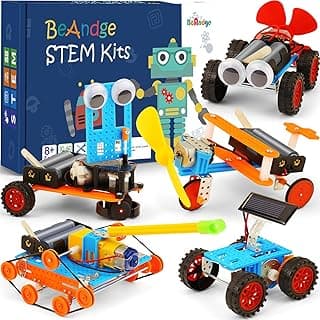
| STEM Kits | Scientific inquiry and literacy | Fosters a sense of intellectual curiosity. |
Gifting at age seven should focus on the transition from "playing with toys" to "developing hobbies" as this shift marks the beginning of long term interests.
The Architecture of Creative Expression
Seven is an ideal age for introducing structured creative outlets. The fine motor skills required for writing, drawing, and playing music are now sufficiently developed to allow for more nuanced work. When a child creates something tangible, they are participating in a behavioral cycle of effort and reward. This is why many experts suggest that musical instruments are among the most enduring and impactful choices for this age group.
For a child expressing an interest in auditory arts, a best youth-guitar provides more than just sound; it offers a lesson in persistence. The physical act of pressing strings and memorizing chords strengthens neural pathways associated with both math and language. Unlike digital entertainment, which often provides passive stimulation, a physical instrument requires active engagement, leading to a much deeper sense of accomplishment.
If you are looking for more general inspiration for a celebration, consulting a list of best birthday gift ideas can help contextualize the child's specific needs within the broader framework of developmental milestones. The goal is to select an item that reflects the child's evolving personality while providing a stable foundation for future skill acquisition.
Physical Competence and Spatial Awareness
Middle childhood is a period of high physical energy combined with a desire for independence. Children are looking for ways to interact with their environment in novel ways. This often manifests as an interest in gadgets that extend their physical reach or allow them to view the world from a different perspective. Modern technology has made such exploration more accessible than ever before.
A best 100 dollar drone is a prime example of a gift that combines technical literacy with outdoor activity. Operating such a device requires hand-eye coordination and an understanding of spatial boundaries. It also introduces basic concepts of aerodynamics and physics. This type of play is essential for developing "situational awareness," a skill that is valuable throughout life. By supervising this activity, parents can turn a technological toy into a shared educational experience.
The most successful gifts are those that require the child to be the protagonist of their own adventure rather than a spectator.
Emotional Value versus Material Value
A critical analysis of gifting often reveals a tension between the price of an item and its emotional resonance. Reddit communities focused on parenting and minimalist living often highlight that "toy fatigue" is a common issue for seven year olds. When a child is inundated with high-volume, low-quality items, the psychological value of each individual gift diminishes. This is where the concept of "quality over quantity" becomes paramount.
The emotional value of a gift is derived from the "recognition of self" that it provides. When a child receives a gift that aligns perfectly with their specific interests, it signals to them that they are seen and understood by the giver. This strengthens the attachment bond between the adult and the child. Conversely, a purely material gift with no connection to the child's inner world can feel hollow, regardless of its cost. To avoid over-consumption and focus on meaningful gifting, many families are now adopting the what is the 7 gift rule, which encourages a diversified yet limited selection of presents.
Implementing a Strategic Gifting Framework
To ensure that the best gifts for seven year olds are both appreciated and utilized, many psychologists recommend following a structured framework. This prevents the "impulse buy" phenomenon and ensures that the gifts contribute to a balanced lifestyle. One popular method is the what is the four gift rule for birthdays. This framework categorizes gifts into four distinct pillars: something they want, something they need, something to wear, and something to read. This logic ensures that the child's desires are met while also addressing practical and educational requirements.
By using this method, the giver avoids the trap of providing only "high-arousal" toys that might be abandoned once the initial novelty wears off. Instead, the child receives a holistic package that supports their daily life, their education, and their leisure time. This balanced approach is far more conducive to long-term happiness and cognitive development than a singular focus on the latest trends.
Meaningful gifting is a form of communication that tells a child their growth is being celebrated and supported.
Frequently Asked Questions (FAQ)
Is the four gift rule appropriate for a seven year old?
Yes, the four gift rule is highly appropriate for this age group because it introduces the concept of moderation and utility during a formative period. By limiting gifts to four categories (Want, Need, Wear, Read), parents can ensure that the child receives a balanced range of items that support both their emotional desires and their practical development. This helps prevent the overstimulation and clutter often associated with modern birthdays, allowing the child to truly value and focus on each individual item they receive.
What is the most important factor when choosing a gift for a child this age?
The most important factor is developmental alignment, which means ensuring the gift matches the child's current cognitive and physical capabilities. A gift that is too advanced can lead to feelings of inadequacy, while one that is too simple will fail to engage their interest for more than a few minutes. You should prioritize gifts that encourage active mastery, whether that is through learning a new skill, solving a puzzle, or engaging in physical exercise. This focus on "competence building" is essential for supporting a seven year old's self-esteem.
How can I ensure a gift has high emotional value?
You can ensure high emotional value by selecting an item that specifically acknowledges the child's unique personality or a shared interest between the giver and the recipient. Emotional value is not tied to the price tag; it is tied to the thoughtfulness of the selection. For example, a modest gift that supports a child's niche hobby often holds more long-term value than an expensive, generic toy. Including a handwritten note or planning an activity where you use the gift together can further enhance the emotional bond associated with the item.
Should I prioritize educational gifts over "fun" toys?
No, you should aim for a synthesis of both, as the most effective learning for a seven year old occurs through play. At this age, the distinction between "fun" and "educational" is often blurred; a strategy game is educational because it teaches logic, and a drone is educational because it teaches physics. The best gifts for seven year olds are those that provide "stealth learning," where the child is so engaged in the activity that they do not realize they are exercising their brain. Prioritizing engagement and interactive play will naturally lead to educational benefits.








