




Understanding the Developmental Architecture at Six Months
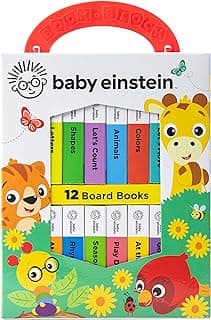
By the age of six months, most infants begin to demonstrate core physical milestones such as sitting with minimal support, transferring objects from one hand to another, and the emergence of the first primary teeth. These shifts dictate the types of stimuli the child is capable of processing. Sensory toys that offer varying textures, audible feedback, and high-contrast visual patterns are not merely entertainment; they are tools for cortical mapping. When considering the best gifts for six month old recipients, one must prioritize items that facilitate these specific movements and cognitive realizations.
Psychologically, the child is entering a phase where they begin to understand that they are separate from their caregivers. This emerging independence makes toys that respond to the child's actions-such as cause-and-effect instruments-highly rewarding. Furthermore, the introduction of solid foods often coincides with this age, making utilitarian gifts related to nutrition both practical and necessary. For those looking for broader inspiration on how to approach these choices, understanding how to come up with good gift ideas can provide a structured framework for any age group.
The developmental value of a gift at six months is measured by its ability to engage the infant's emerging curiosity without inducing overstimulation, a delicate balance in early childhood education.
Technical Analysis: Comparing Material Categories
The market for infant products is saturated with options, yet they can be logically categorized based on their primary developmental focus. The following table provides a structural comparison of common gift categories for six-month-old infants to assist in an informed decision-making process.
| Category | Primary Development Focus | Functional Benefit | Long-term Utility |
|---|---|---|---|
| Tactile & Sensory | Fine Motor Skills | Encourages grasping and texture recognition. | Moderate; often used through the first year. |
| Oral Exploration | Teething Relief | Soothes gingival discomfort during tooth eruption. | High during the teething phase. |
| Gross Motor Tools | Core Strength | Supports sitting and early crawling attempts. | High; builds the foundation for walking. |
| Cognitive/Cause-Effect | Neural Connectivity | Teaches the relationship between action and result. | Very High; fundamental for logic. |
The Role of Comfort and Oral Health
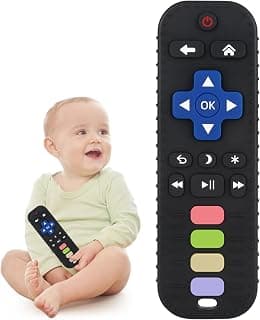
A significant portion of an infant's sixth month is occupied by the discomfort of teething. Consequently, the best gifts for six month old children often include items that serve a dual purpose: distraction and pain management. Materials such as food-grade silicone or natural rubber provide the necessary resistance for sore gums. While specialized items like the best teething toy for molars may be more relevant for slightly older infants, early-stage teethers that are easy to grip are essential now.
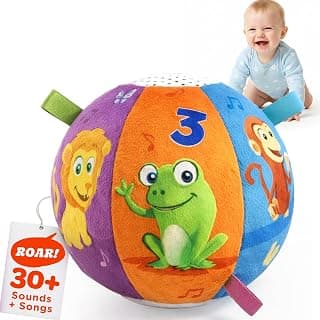
Additionally, the emotional state of the child is heavily influenced by their sense of security. Soft, plush items can serve as "transitional objects," helping the infant self-soothe during naps or when away from a caregiver's direct contact. High-quality best soft toys that meet rigorous safety standards (such as ASTM or EN71) ensure that the child can explore the item safely with both their hands and mouth. These items often become cherished keepsakes, adding a layer of sentimental value to their practical function.
Principle of Emotional Value over Material Value
In communities like Reddit's parenting and minimalist circles, there is a strong discourse regarding the "clutter" of infancy. The consensus often leans toward the idea that what is the greatest gift a parent can give a child is not necessarily the most expensive toy, but the environment for growth and bonding. At six months, the infant does not comprehend the monetary cost of a gift. They value the engagement it facilitates between themselves and the giver.
When selecting a gift, consider how it impacts the relationship. A gift that requires a parent to sit on the floor and play with the child has higher emotional ROI than a battery-operated device that performs a solitary light show. For the family, receiving best first time mother gifts that assist in managing the daily routines of a six-month-old can reduce stress, indirectly benefiting the infant's emotional environment. Balancing the immediate joy of the child with the practical needs of the household is the hallmark of a sophisticated gifting strategy.
True value in gifting is found when the object serves as a bridge for interaction, rather than a substitute for it.
Safety and Longevity Standards
Safety is the non-negotiable cornerstone of any gift for an infant. At six months, the "mouthing" phase is at its peak. Every item must be checked for small parts that could present choking hazards, toxic dyes, or sharp edges. Durability is equally important, as these items will be dropped, thrown, and chewed repeatedly. When selecting the best gifts for six month old infants, it is wise to look for products that grow with the child. For example, a simple set of stacking cups might be used for bathtub play today and for learning colors and numbers a year from now.
When purchasing for the mother or the family unit, the focus shifts slightly toward items that facilitate these safety and health goals. Knowing the best gift ideas for a woman in this stage of life often involves items that offer convenience, such as high-quality storage for baby food or ergonomic carriers that allow for safe, hands-free bonding.
Frequently Asked Questions (FAQ)
Is it better to buy plastic or wooden toys for a six-month-old?
Both materials have specific advantages, but non-toxic, sustainably sourced wood is generally preferred for its durability and natural antimicrobial properties. Wood provides a unique sensory weight and texture that plastic cannot replicate. However, high-quality, BPA-free plastic is often better for toys that require frequent sanitization, such as those used during teething or mealtime.
How many toys does a six-month-old actually need?
A limited rotation of four to six high-quality items is more beneficial than a large volume of low-quality toys. Overstimulation is a real concern at this age; providing too many choices can lead to a shorter attention span and decreased engagement. By rotating a few "best gifts" every week, the infant remains interested in their environment without becoming overwhelmed.
Are electronic toys with lights and sounds recommended?
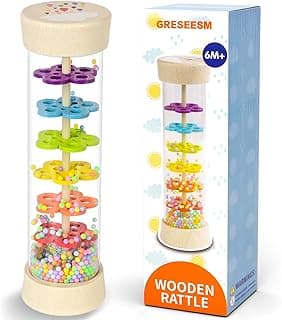
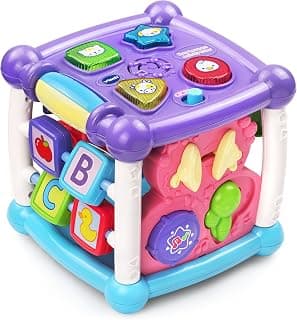
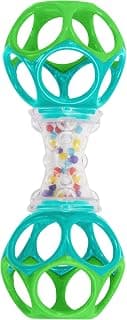
No, many developmental experts suggest limiting electronic toys for infants under one year old. While they may capture an infant's attention, they often promote "passive" entertainment rather than "active" exploration. A toy that makes noise only when the child shakes it (like a rattle) is superior for teaching cause-and-effect compared to a button that plays a pre-recorded song.
What is a reasonable budget for an infant's half-year milestone gift?
The budget is secondary to the developmental appropriateness of the item. While some may ask is 1000 a good birthday gift for older recipients, such amounts are unnecessary for an infant. A thoughtful, high-quality developmental toy costing between twenty and fifty dollars often provides more long-term value to a six-month-old than a luxury item they will outgrow in weeks.
In conclusion, selecting the best gifts for six month old infants is an exercise in diplomatic precision. It requires the giver to harmonize the biological needs of the child with the practical realities of the parents, all while maintaining a focus on safety and developmental integrity. By choosing items that foster core skills and emotional bonding, you ensure that the gift is not just a temporary distraction, but a meaningful contribution to the child's foundational year.








