






Developmental Milestones: Why Six is a Critical Gifting Age
At age six, the brain undergoes significant pruning and reorganization. This is the age where children begin to understand the concept of rules and social hierarchy within play. Consequently, the best gifts for six year olds are those that challenge their executive function. This includes their ability to plan, focus attention, and remember instructions. Unlike toys for toddlers, which are designed for immediate gratification, gifts for this demographic should encourage sustained engagement.
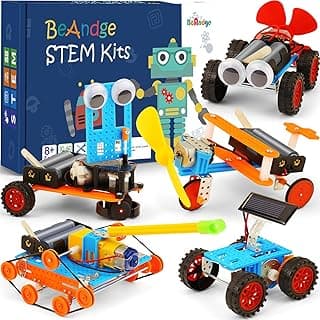
Consider the difference between a simple action figure and a complex building set. The former relies on existing narrative play, while the latter requires the child to internalize a set of instructions and execute a multi-step process. This helps in developing spatial reasoning. Furthermore, the introduction of cooperative play tools is essential. This is often why the best board games for six year olds focus on turn-taking and strategic thinking rather than just luck-based mechanics.
The primary objective of a gift at this developmental stage is not to occupy time, but to expand the child's capacity for complex thought and social integration.
The Psychology of Play: Analyzing the best gifts for six year olds
To provide a logical framework for selection, we must categorize gifts based on their functional utility. Behavioral science suggests that children derive more long-term satisfaction from "competence-building" activities than from "passive consumption" items. When a child masters a new skill, such as playing a musical instrument or solving a difficult puzzle, the dopaminergic reward system is activated more effectively than when they simply receive a luxury item.
| Gift Category | Psychological Benefit | Material Investment |
|---|---|---|
| Building and Engineering Kits | Enhances spatial intelligence and patience. | Moderate to High. |
| Interactive Strategy Games | Promotes social negotiation and logic. | Low to Moderate. |
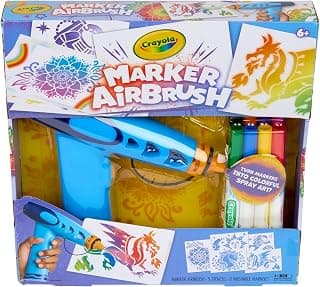
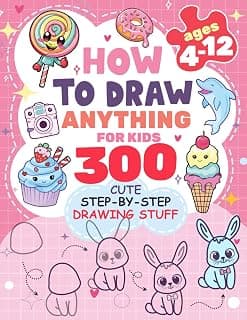
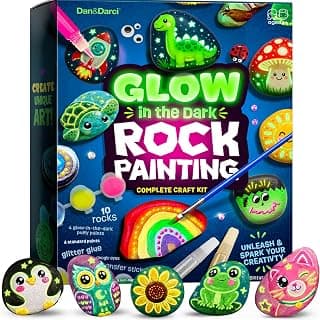
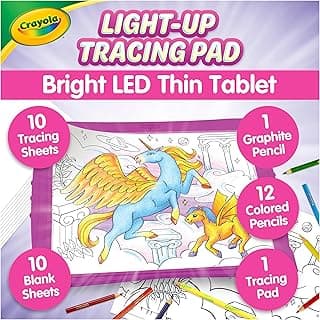
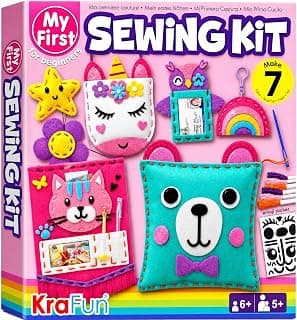
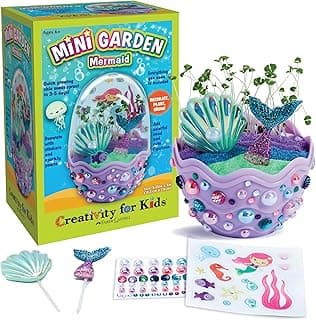
| Artistic and Creative Supplies | Fosters self-expression and fine motor control. | Low. |
| Physical Skill Equipment | Develops gross motor coordination and discipline. | Moderate. |
In the realm of engineering and construction, the best lego games serve as an excellent example of structured play that leads to unstructured creativity. Once the child has completed the manual-led build, they often disassemble and create unique structures, indicating a mastery of the medium. Similarly, for children interested in mechanics, best toy train sets offer a foundational understanding of circuits and physical connectivity.
Emotional Utility versus Material Worth
A recurring theme in thoughtful gifting communities, such as those found on Reddit, is the "buy it twice" philosophy. This suggests that a cheap, low-quality gift often requires replacement, leading to frustration for the recipient and waste for the environment. However, when considering the best gifts for six year olds, we must also weigh the emotional utility. The emotional value of a gift is derived from the shared experience it facilitates between the giver and the recipient.
For example, giving a best childrens guitar may seem like a high-material-value gift. However, its true value lies in the hours of practice and the eventual pride of performance. This creates a long-term psychological bond associated with the object. If the giver also invests time in teaching or listening, the material object becomes a secondary vessel for a primary emotional connection. This aligns with the broader question of what is the greatest gift to give, which is often identified by psychologists as the gift of focused attention and shared growth.
True value in gifting is measured by the longevity of the skill acquired, not the initial luster of the packaging.
The Role of Hobbies and Interest-Based Gifting
By the age of six, most children have begun to express specific preferences or "special interests." Some may be fascinated by the natural world, while others are drawn to technology or sports. A professional approach to gifting involves observing these leanings and providing tools that allow the child to "level up" their expertise. If a child shows a proclivity for music, providing high-quality instruments is more beneficial than toy versions that do not stay in tune. This is why many parents look for how to come up with good gift ideas by simply observing the child's independent play habits for a week.
For children who are physically active, gifts that challenge their balance and coordination are superior to those that offer sedentary entertainment. Items like bicycles, scooters, or even entry-level sports equipment provide a sense of physical agency. This agency is crucial for self-esteem during the early school years when children compare their physical abilities to those of their peers.
Scientific Perspectives on Artistic Gifts
Artistic gifts are frequently undervalued in terms of their cognitive impact. However, the act of creation requires a child to visualize an outcome and manipulate tools to achieve it. This is a high-level executive function. Providing professional-grade colored pencils or high-quality clay can change the child's perception of their work from "play" to "craft." This psychological shift encourages a more serious engagement with the task at hand. It is often a precursor to more complex creative endeavors seen in later childhood, such as the best creative gifts for best friend exchanges that occur in adolescence.
Frequently Asked Questions Regarding Gifting for Young Children
Is it better to give one large gift or several small ones to a six year old?
One substantial, high-quality gift is generally superior to multiple smaller items because it encourages deeper focus and higher value-retention. Behavioral studies suggest that "choice overload" in children can lead to shorter play durations and a lack of attachment to any single item. By providing one significant gift, you allow the child to form a stronger psychological bond with the object and its associated skills.
How do I determine if a gift is too advanced for a six year old?
The most effective method is to check the manufacturer's age recommendation and then correlate it with the child's current frustration tolerance. If a child easily gives up when faced with a challenge, a gift that is slightly above their current skill level might cause negative associations. However, a gift that is too simple will lead to immediate boredom. The "Goldilocks Zone" of gifting is an item that the child can use independently about 70 percent of the time, requiring adult assistance for the remaining 30 percent.
What is the most popular gift to give on Christmas for this age group?
Lego sets and interactive board games consistently rank as the most popular gifts due to their versatility and the social status they hold in school environments. These items allow for both solitary mastery and social inclusion, making them a safe and effective choice for a wide range of personalities.
Should gifts for six year olds be educational?
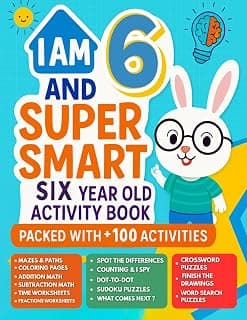
Yes, but the education should be an inherent part of the fun rather than a separate, overt objective. The most successful educational gifts are those where the child "accidentally" learns logic, physics, or linguistics while pursuing a fun goal. Overly academic "workbooks" or "flashcards" disguised as toys are often rejected by children who already spend a significant portion of their day in a structured school environment.
In conclusion, selecting the best gifts for six year olds requires a balance of developmental awareness and emotional intelligence. By focusing on competence-building, durability, and the shared experiences the gift provides, you ensure that the material item contributes to a positive and lasting relationship between you and the recipient.








