



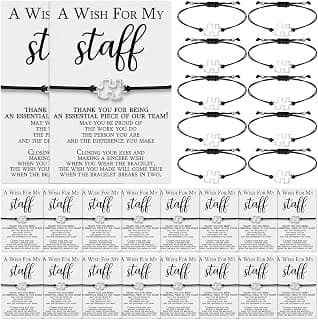
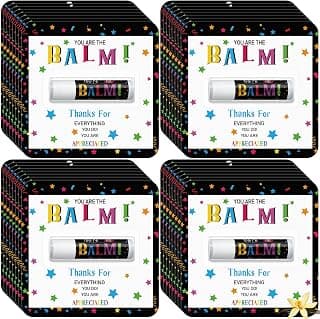
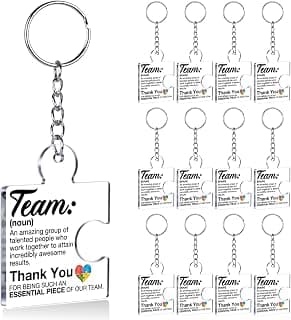
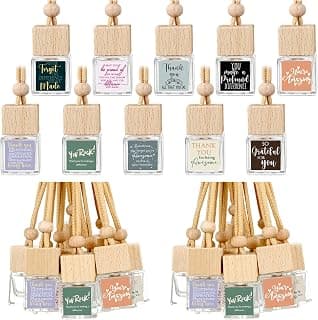
The Psychology of Reciprocity in Selecting the Best Gifts for Staff
The principle of reciprocity, a foundation of human social interaction, suggests that when an individual receives a meaningful gesture, they feel a natural inclination to respond in kind. In the workplace, this translates to increased engagement and discretionary effort. However, the quality of the "best gifts for staff" depends heavily on the perceived effort behind the selection. A generic, mass-produced item often fails to trigger this response because it lacks the "signaling" effect of individual consideration.
Gifting is a silent language of appreciation that, when spoken correctly, reinforces the psychological contract between the employer and the employee.
To maximize the impact of your selection, one must consider the recipient's daily professional experience. For instance, providing high-quality tools that solve specific workplace friction points can be far more effective than luxury items that have no relevance to the employee's life. Understanding best gift ideas for coworkers can provide a foundational framework for identifying items that strike the right balance between professional appropriateness and personal utility.
Evaluating Material vs. Emotional Value in Corporate Gifting
A common pitfall in corporate strategy is overestimating the material value of a gift while neglecting its emotional resonance. Data from various workplace studies indicates that staff members often value "time," "autonomy," and "recognition" over expensive but impersonal trinkets. The best gifts for staff are those that acknowledge the person behind the role.
| Gift Variable | Material Utility Focus | Emotional Value Focus |
|---|---|---|
| Primary Objective | Immediate practical use or consumption. | Long-term memory and relationship building. |
| Perception | Seen as a "bonus" or supplement to pay. | Seen as a validation of identity and effort. |
| Example Items | Hardware, office supplies, or snacks. | Handwritten notes, personalized experiences. |
| Risk Factor | Can feel transactional if too low-quality. | Can feel invasive if too personal. |
For example, while a high-end office bag might have a high material cost, its value is amplified if it aligns with the employee's need for better organization during travel. Considering a best brand for mens bags as a gift for a frequently traveling consultant shows that the management understands the logistical challenges of their role. Similarly, when selecting items for a diverse workforce, focusing on best gift ideas for a woman ensures that the nuances of style and function are respected rather than ignored.
Strategic Categories for Professional Appreciation
When categorizing the best gifts for staff, it is helpful to look at different pillars of work-life integration. Productivity enhancers, wellness items, and professional development tools are the most consistently well-received categories because they provide ongoing value to the recipient.
Technology and Ergonomics
In a digital-first environment, ergonomic health is a major concern. Providing tools that mitigate the physical strain of long hours at a desk is a powerful way to signal that a company cares for the well-being of its people. Items like best blue blocker computer glasses or high-quality peripherals are excellent choices. Furthermore, in open-plan offices, best active noise cancelling headphones are often cited as a top-tier gift because they provide the recipient with the "gift of focus," a rare commodity in modern workplaces.
The Gift of Comfort and Environment
The environment in which an employee works directly affects their cognitive load. Upgrading a home office setup with best monitors for work can drastically improve daily efficiency and reduce eye strain. These are considered some of the best gifts for staff because they are functional investments that the employee might be hesitant to purchase for themselves but will use every single day.
The most effective gifts are those that the recipient would love to own but finds difficult to justify purchasing with their own discretionary income.
Addressing Diversity and Inclusivity in Gifting
The challenge of finding the best gifts for staff increases with the size of the organization. What appeals to a software engineer may not resonate with a marketing executive. This is where the What is a good corporate swag gift? question becomes vital. Swag should be high-quality and useful, rather than disposable. If the goal is to provide something universal yet professional, looking at models like best gift certificates for teachers can offer insights into how to provide flexibility and choice within a structured gifting program.
When dealing with external stakeholders or high-level staff, the strategy shifts toward sophistication. Understanding What is a nice client gift? can help managers understand the level of decorum and quality required for senior staff members who may already possess most material necessities. In these cases, the emphasis must be on exclusivity or a very high degree of personalization.
Frequently Asked Questions Regarding Employee Gifting
What gifts do employees really want?
What gifts do employees really want? is a question with a clear answer: staff primarily desire gifts that offer utility, recognize their specific achievements, or provide meaningful experiences. Research suggests that while cash is appreciated, it is often spent on mundane expenses and quickly forgotten. In contrast, a physical gift or an experience creates a lasting psychological "anchor" to the positive event of receiving it. Therefore, the best gifts for staff are those that improve their quality of life or work-day comfort, as these provide a recurring reminder of the organization’s appreciation.
Is it better to give the same gift to everyone or personalize them?
Consistency is safer for preventing perceived favoritism, but personalization is significantly more powerful for building relationships. In large organizations, a "tiered" approach is often the most logical. You might provide a high-quality base gift to everyone, with personalized elements added for specific team milestones or individual anniversaries. This maintains a sense of equity while still acknowledging individual identity.
How much should a company spend on a gift for a staff member?
The appropriate amount depends on the occasion and the local corporate culture, but the "Thoughtfulness to Cost" ratio is the most important metric. A relatively inexpensive gift that solves a specific problem for an employee is often valued more highly than an expensive item that serves no purpose. Budgeting should prioritize quality over quantity: it is better to give one high-quality item than a basket full of low-quality samples.
Conclusion: The Long-Term Impact of Thoughtful Gifting
The search for the best gifts for staff is ultimately a search for a better way to communicate value. By moving away from the "infomercial" style of hyperbolic rewards and toward a logical, behaviorally-informed strategy, companies can turn a simple tradition into a powerful retention tool. Whether it is improving an employee's workspace with technology or acknowledging their personal style, the underlying message remains the same: "We see your effort, and we value your presence here." This sentiment, more than any physical object, is the greatest gift an employer can provide.








