


The Psychology of Choice: Understanding the Ten-Year-Old Recipient
The selection process should be guided by three primary pillars: competence, autonomy, and relatedness. A gift that allows a child to build a skill (competence), choose how they use it (autonomy), and share the experience with peers (relatedness) will always carry more weight than a passive consumer item. For instance, technology-based gifts are highly sought after because they represent a step into the "adult" world. However, the value lies in the utility of the device rather than the brand itself. Many parents find that looking at a best 100 dollar drone provides a perfect balance of technical challenge and recreational value, encouraging spatial awareness and responsibility.
The most successful gifts are those that act as a bridge between the child they were and the adult they are becoming, providing a safe space to practice new skills and social roles.
Furthermore, social dynamics become paramount at age ten. Peer influence begins to rival parental influence, and "fitting in" while also "standing out" becomes a delicate balancing act. Gifts that can be used in a group setting are highly effective at fostering these social bonds. Complex building sets or digital experiences like the best lego games allow for both solo focus and collaborative play, satisfying the child's need for versatile engagement.
Comparative Analysis: Physical vs. Digital Engagement
The debate between physical and digital gifts is a common concern for many gift-givers. To make an informed decision, it is helpful to look at the specific benefits each category provides. The following table compares these variables to help you determine the most appropriate direction for your specific recipient.
| Variable | Physical/Analog Gifts | Digital/Technological Gifts |
|---|---|---|
| Cognitive Impact | Tactile problem solving and fine motor skill refinement. | Logic processing, digital literacy, and strategic thinking. |
| Social Integration | In-person interaction and shared physical space. | Remote connectivity and mastery of modern social tools. |
| Longevity | High, often becoming keepsakes or heirloom items. | Moderate, dependent on hardware cycles and software updates. |
| Independence Level | High; usually requires no external power or connectivity. | Variable; often requires parental monitoring or internet access. |
As the table illustrates, both categories have distinct merits. If the recipient is currently showing a strong interest in group strategy, exploring the best board games for 12 year olds (many of which are perfectly suitable for advanced ten-year-olds) can provide an excellent avenue for developing social intelligence and patience.
Principle of Emotional Value over Material Value
A frequent topic within communities like Reddit is the concept of "gift fatigue," where children receive high-cost items that are abandoned within weeks. To avoid this, one must prioritize Emotional Value over Material Value. Emotional value is not about the price tag; it is about the "recognition" the gift provides. When a child receives a gift that aligns perfectly with a niche interest they have recently expressed, they feel seen and validated by the adults in their life.
This validation is crucial for a ten-year-old’s self-esteem. As they begin to form a more concrete identity, the gifts they receive serve as external markers of who they are. For example, gifting a high-quality sketchbook to a budding artist conveys a different message than a generic set of markers. The former says, "I recognize your talent and am providing you with professional tools," while the latter says, "Here is something to keep you busy." The long-term relationship between the giver and the recipient is strengthened when the gift reflects a deep understanding of the child's internal world. If you are struggling with this, learning how to come up with good gift ideas involves active listening and observing the recipient's daily habits and frustrations.
True gifting is an act of diplomacy; it is about finding the intersection between what the recipient desires and what will serve their growth in the coming years.
Strategic Selection for Future Growth
When looking for the best gifts for ten year olds, it is wise to look slightly ahead. The transition to the teenage years is imminent, and gifts that prepare them for this shift are often the most appreciated. This might involve items that encourage greater responsibility, such as a high-quality watch or a dedicated workspace setup. These items signal to the child that you trust them with more mature objects.
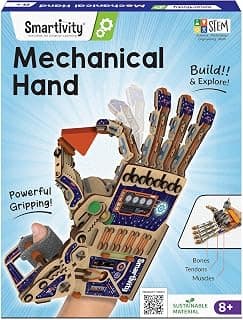
Many families use this milestone to move away from "toys" and toward "hobbies." This could include musical instruments, advanced athletic equipment, or science kits that produce tangible results. By shifting the focus from consumption to production, you provide the child with a sense of agency that is vital during the pre-teen years. When reflecting on past successes, many adults find that the answer to what is the best birthday gift you have ever received often involves an item that sparked a lifelong passion or hobby.
Finally, as the child moves closer to their teen years, the best gift ideas for teens start to become relevant. Keep an eye on evolving trends in their peer group, but always ground your choice in the child's unique personality rather than fleeting fads. This logical, recipient-focused approach ensures that your gift remains relevant and cherished for years to come.
Frequently Asked Questions
Is a cash gift appropriate for a ten-year-old?
Yes, cash can be an appropriate gift for a ten-year-old, provided it is accompanied by a lesson in financial literacy. At this age, children are beginning to understand the value of money and the concept of saving for a larger goal. Providing a small amount of currency allows them to practice making independent purchasing decisions. To make it more meaningful, consider pairing it with a small, tangible item or a piggy bank that encourages long-term saving habits.
How much should I spend on a gift for a ten-year-old?
There is no fixed monetary amount that defines a "good" gift; the focus should remain on the utility and emotional resonance of the item. Research suggests that for most families, a range of thirty to one hundred dollars is standard for a milestone birthday like age ten. However, a twenty-dollar gift that perfectly matches a child's specific hobby is objectively more valuable than a hundred-dollar gift that the child has no interest in. Focus on the quality of the item and its potential for long-term use rather than the sheer cost.
Should I buy a ten-year-old a smartphone?
No, a dedicated smartphone is generally not recommended as a primary gift for most ten-year-olds unless there is a specific safety or logistical need. Most developmental experts suggest waiting until at least age twelve or thirteen to introduce a fully-connected smartphone. Instead, consider "bridge devices" such as tablets with restricted access or basic music players. These allow the child to enjoy digital content and practice digital responsibility without the full social and psychological pressures associated with social media and unrestricted internet access.
What if the child already has everything they need?
In cases where a child has a surplus of material goods, experiential gifts are the most logical choice. These include tickets to a sporting event, a membership to a local science center, or a specialized class in a subject they enjoy, such as coding or cooking. Experiential gifts provide lasting memories and personal growth, which are often more valuable than another physical object added to a collection. This approach also aligns with the principle of prioritizing emotional value over material accumulation.